Steam oven descaling
from $145
The best money spent on that appliance in this water, and an owner job we will talk you through.
Miami-Dade · Broward · Palm Beach
We are an independent repair company working on the whole Viking kitchen — open-burner and sealed-burner ranges, rangetops, cooktops and induction, built-in and steam ovens, ventilation, microwaves, refrigeration columns, wine cellars, ice machines, dishwashers and the grill outside. You get an on-site diagnosis, the work and the price in writing before anything is opened, and a fair chance of being told you do not need us.
What we repair
Eleven appliance types, cold and hot, in the same room: ranges, rangetops and cooktops, ovens and microwaves, ventilation, refrigerators and freezers, wine cellars, ice machines, dishwashers and built-in grills. Start with whichever is misbehaving — several of these pages begin by explaining that the behavior people call a failure is the appliance working as designed.
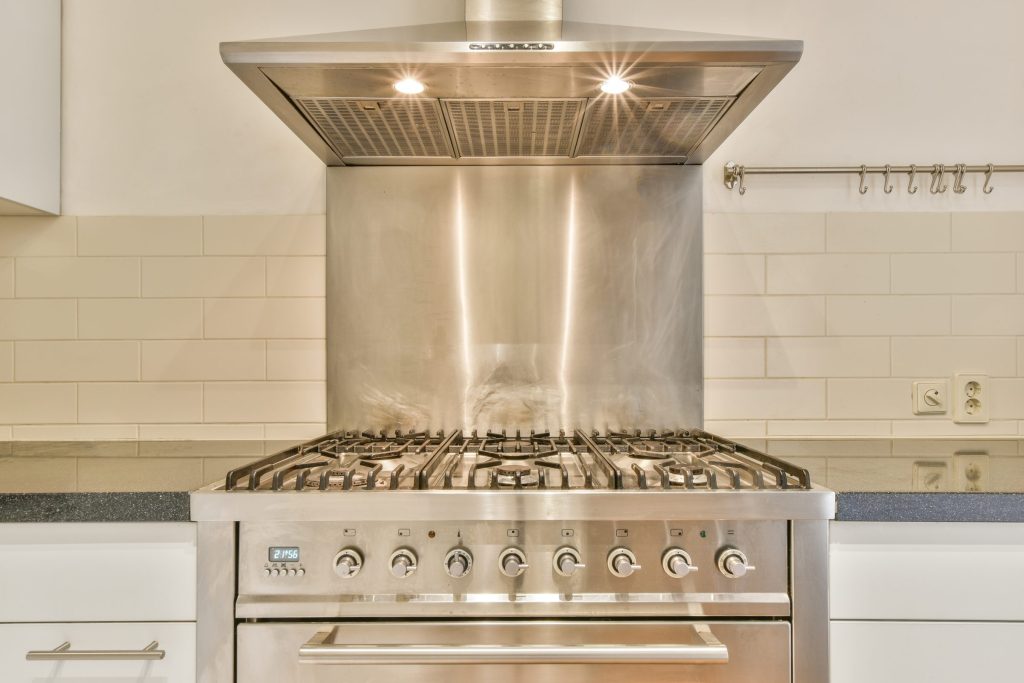
The appliance this brand is named for, and the one place it does something nobody else does: an open burner that comes apart in your hands. Gas, dual fuel, all-electric and induction are all sold under the same badge, and a range that will not light and a range that will not heat are two completely different visits.
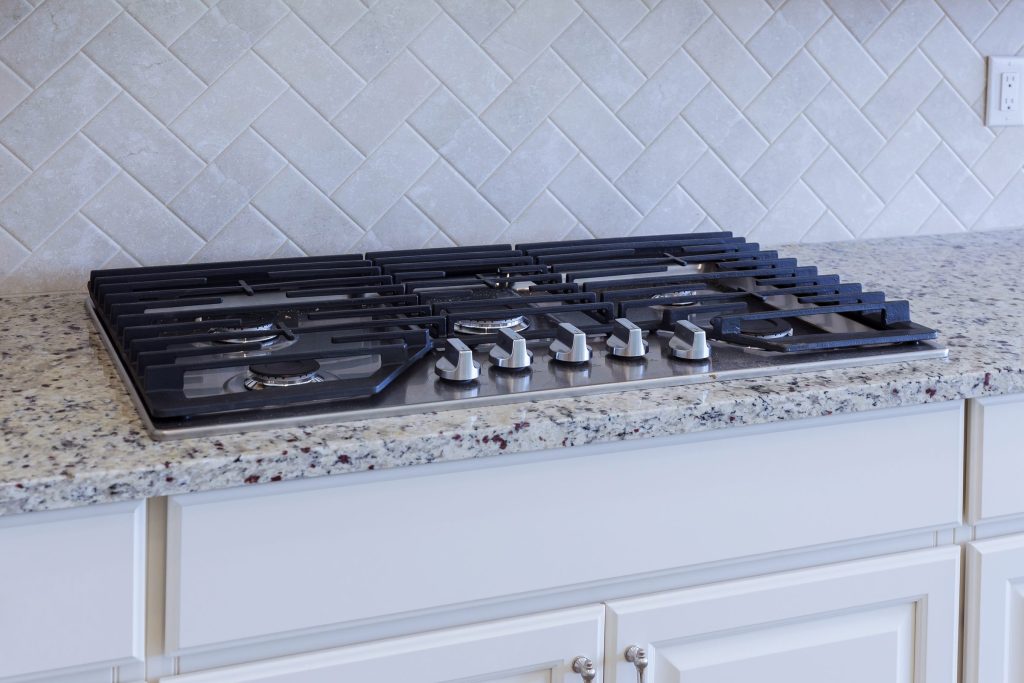
Two appliances and one word. A rangetop is a range's burner deck with cabinetry under it instead of an oven; a cooktop is the lighter equipment that drops into a worktop. Gas, electric and induction behind them fail in three unrelated ways, and only one of the three is really about heat.
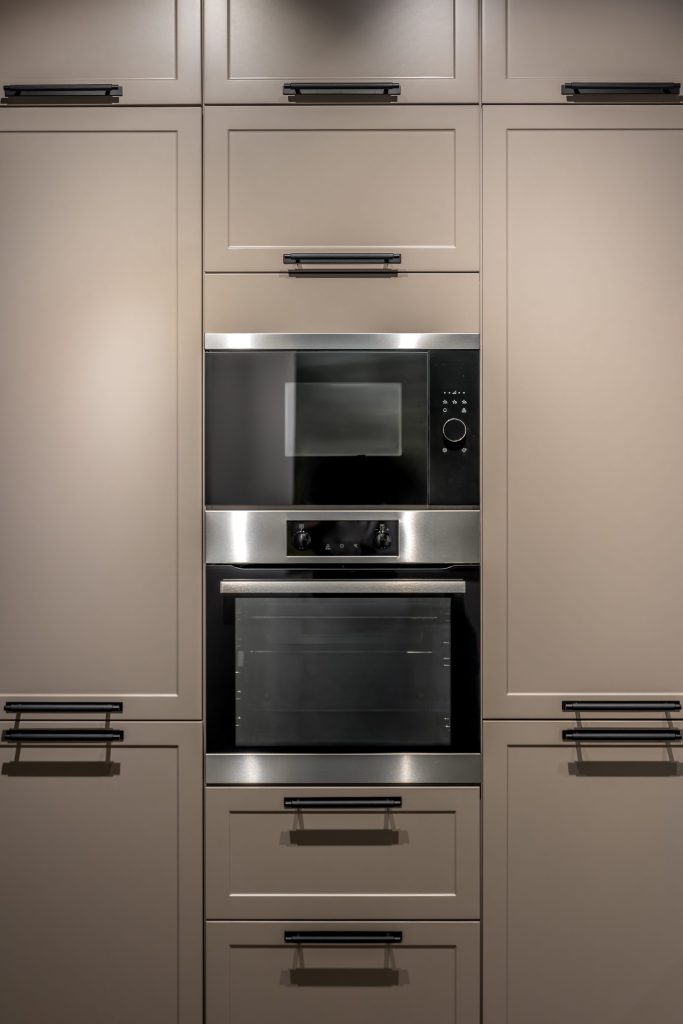
Built-in ovens in every configuration this brand has sold — single, double, French-door, and the RVL steam oven that stacks with them — plus the warming drawer underneath, which is repaired here even though it has no card of its own. On a double oven the first question is always which of the two cavities.
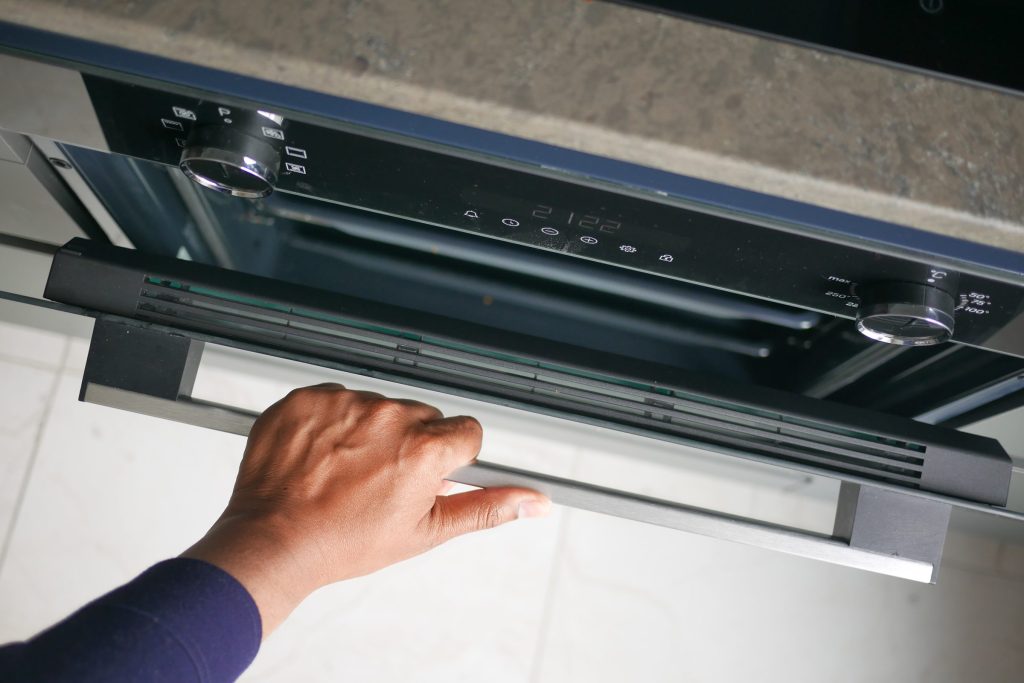
Wall hoods, chimney hoods, the liners hidden inside joinery, ceiling units and the rear downdrafts that rise out of the counter. It is the shortest parts list in the kitchen — motor, capacitor, switch, lights, damper, filters — and the appliance most likely to be quietly running at half its output for a year.
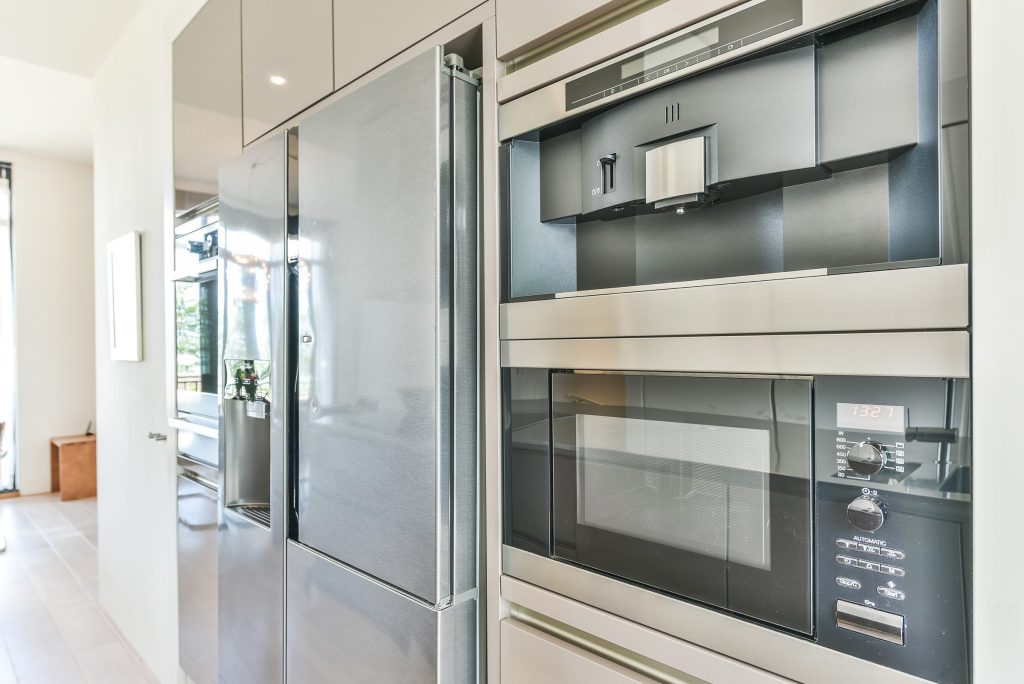
Countertop models set into a trim kit, convection models, drawer models and the microwave hoods that do two jobs at once. The mechanical half — doors, latches, turntables, drawer mechanisms, touch panels — is ordinary repair work. The high-voltage half is not, and is the one part of a kitchen nobody should open.
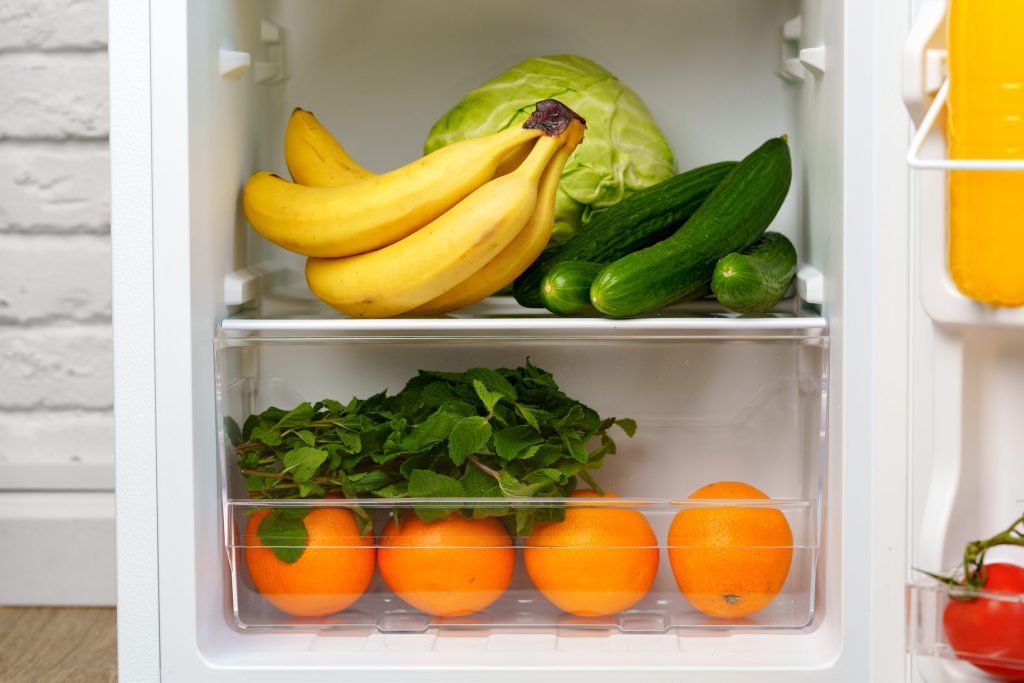
The largest part of this brand's catalog and the appliance most likely to be built into the joinery rather than standing in a gap. Side-by-sides, French-door and bottom-freezer columns, fully integrated units behind cabinet panels, and the undercounter refrigerators and drawers that run down an island.
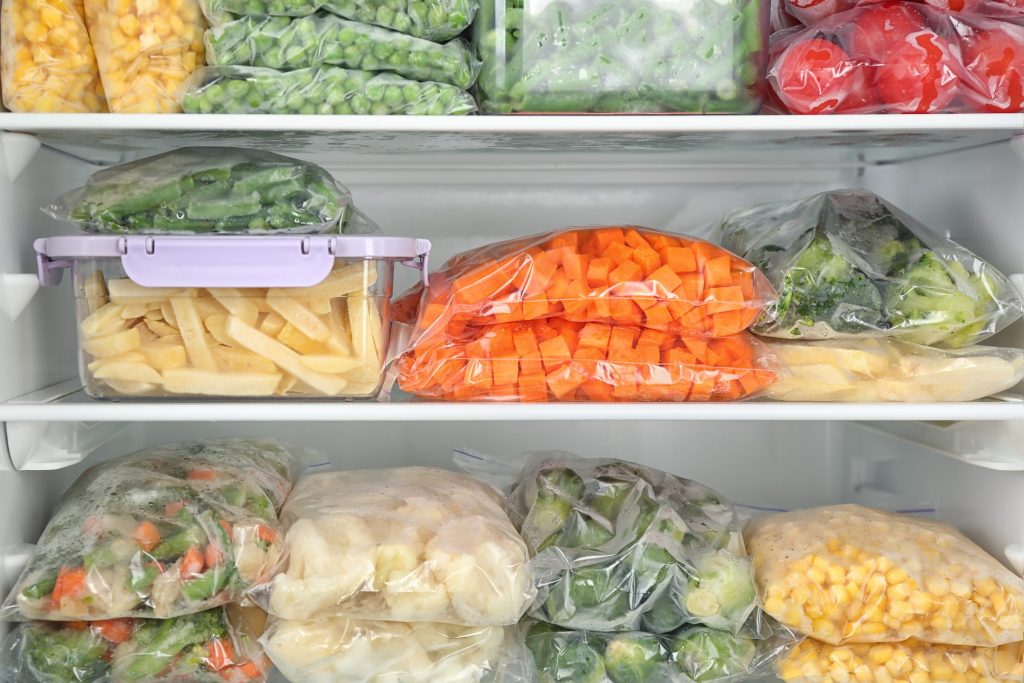
A card of its own because on this brand a freezer usually is its own appliance: a full-height All Freezer column standing beside an All Refrigerator, the two joined under one grille kit so they look like a single unit. When one of the pair stops, the other keeps working, and nothing about the kitchen looks different.
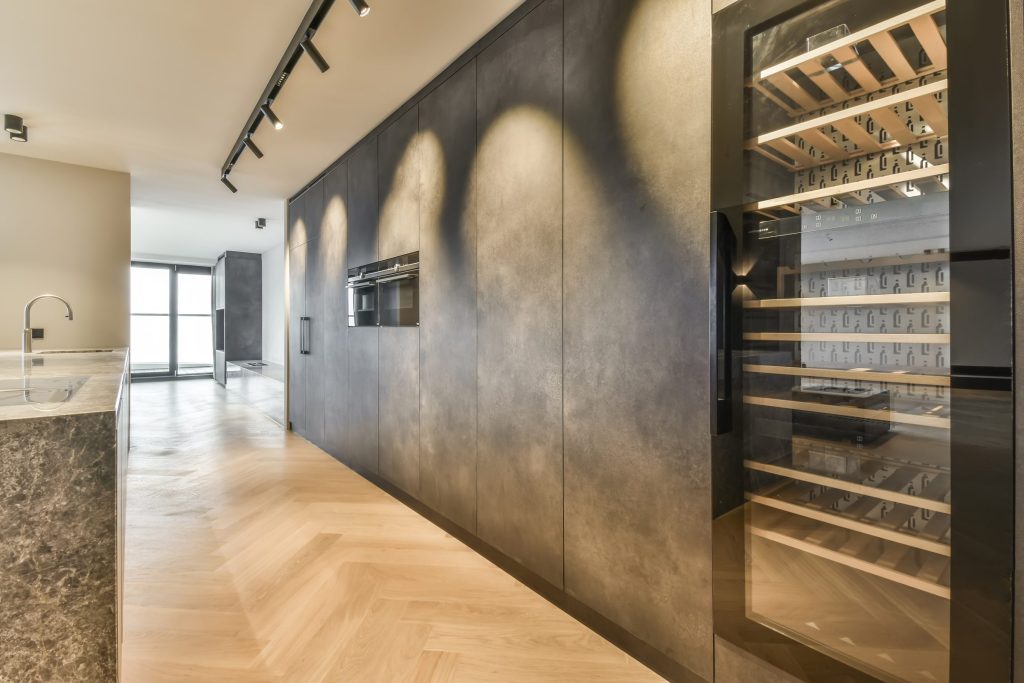
Undercounter cellars of 24 and 45 bottles, full-height units, glass-door and solid-door models, single and dual zone. The mechanism is refrigeration; the requirement is not. A cellar that holds 48°F instead of 55°F is failing at its only job while looking completely normal.
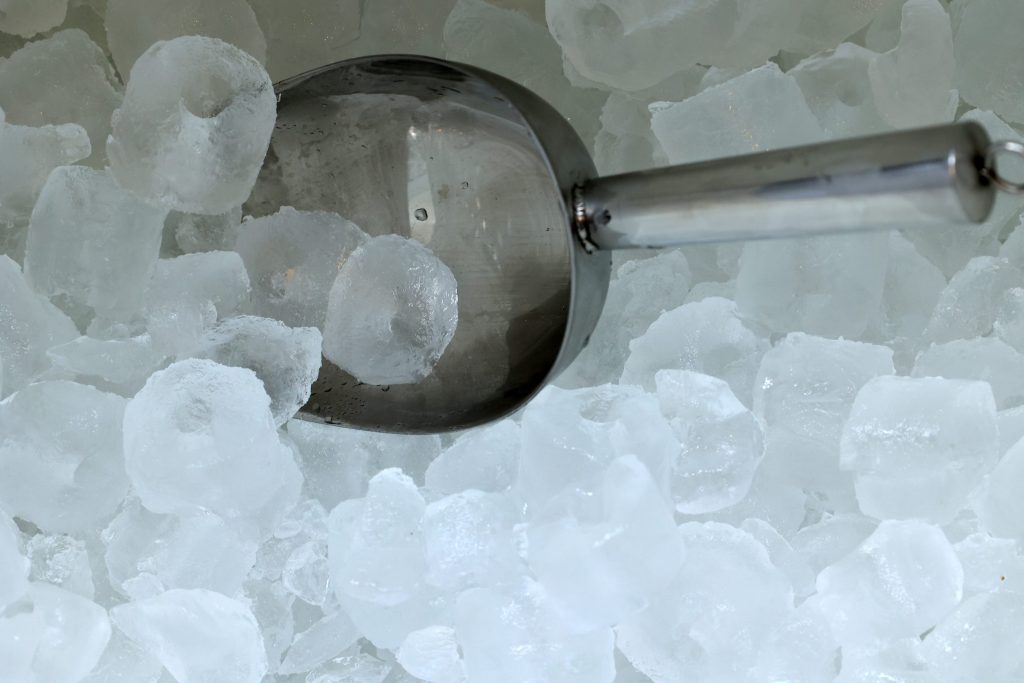
A plumbed appliance with a drain, which is what separates it from the ice maker inside a freezer and explains most of what goes wrong with it. Clear ice up to 65 pounds a day, nugget up to 80, and a bin that holds 26 — so a machine that seems slow is often a machine that is draining badly.
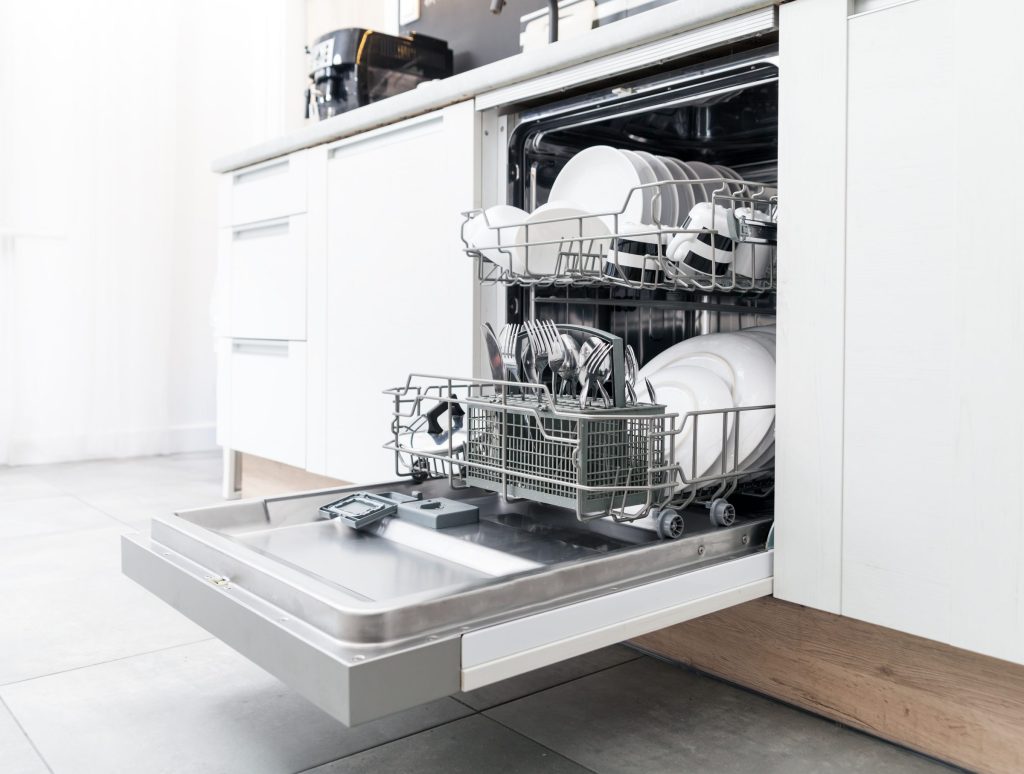
Stainless-fronted and panel-ready models, all of them Energy Star, all built around a variable-speed motor that changes water pressure with the cycle. It is also the appliance in this line most likely to report an error on its own display, which makes the first phone call much shorter.
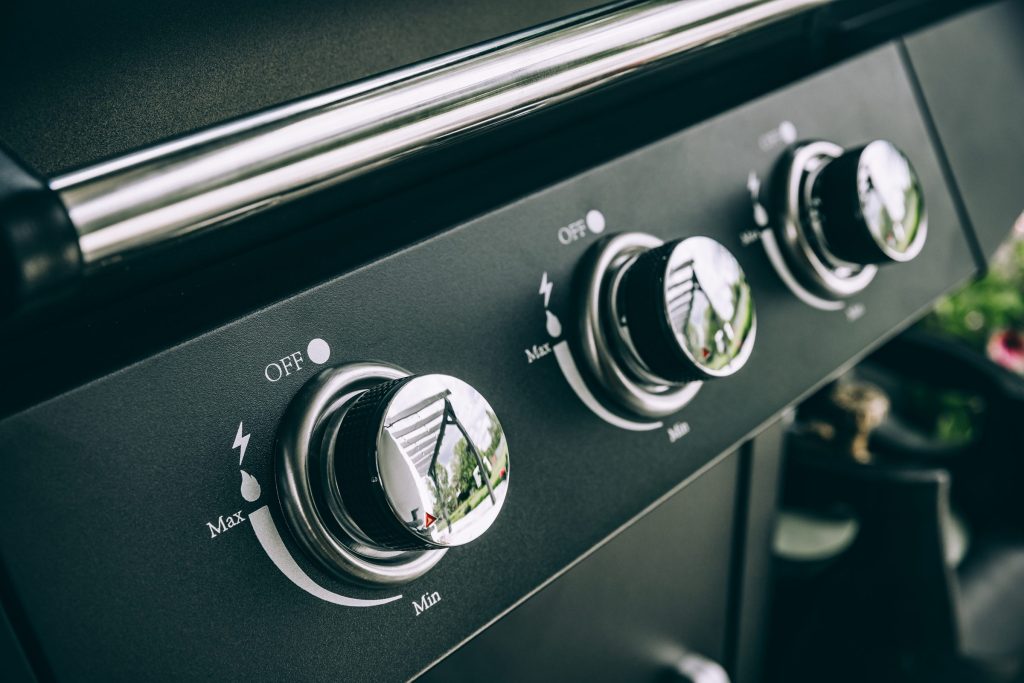
Built-in and freestanding gas grills and the side burners beside them — the only appliance on this site that lives in the weather. Ignition and gas account for most of what goes wrong; corrosion accounts for most of what is behind it, and in this service area that is not bad luck, it is the coastline.
South Florida
Error codes
There is no Viking answers site to look a code up on — one support FAQ page and a library of PDFs, and the codes live inside the manuals. Reading a hundred and sixty of them turned up 84 conditions in 11 completely different vocabularies, and the most useful finding was about the appliance that publishes none: a Viking dishwasher does not show a code. It flashes two lights.
Two lamps, and the pair is the message
One flash then five is a drain problem; two then two is a fill problem; both lights flashing continuously is water in the base pan and a reason to shut the valve off. There is no number to write down and there never was — so any page selling you a numbered Viking dishwasher code invented it. Count the two lights before the machine is reset, because that count is the only evidence the appliance produces.
Four of the ten ways this equipment speaks
FA
F and one more letter — the electric and induction cooktops with a timer display. The letter is the whole meaning
E1
An E-number — undercounter refrigeration, refrigerated drawers and wine cellars
RTD ERROR
A word rather than a number — the ovens name the part outright, which is unusually direct
1-5
A pair of flash counts — the dishwashers, which display nothing at all
Where the codes live, by machine
| Dishwashers | 18 conditions read off two lamps — and on machines built before 26 May 2010 there are no counts either, just an X under a row of cycle lights |
|---|---|
| Cooktops with a display | 12 tokens from FA to F5. Note the case: FC in capitals is a key error and Fc with a small c is over-temperature |
| The Incogneeto warmer | 10 E-0n codes on its own alphanumeric display — the only appliance on this make that uses them |
| Integrated columns and wine | 9 messages in plain English, naming a compartment: "Lower too warm", "Check condenser", "Replace filter" |
| Wall and steam ovens | 7 word messages — RTD, PROBE, LATCH, KEYBOARD and MODEL each name a part rather than a symptom |
| Induction tops with knobs | 6 flash counts on the element light, because those tops have no display to write on |
| The integrated downdraft top | 6, and none of them shared with anything else this maker built — Er03, Er47, U400, a European board |
| Built-in refrigeration | 6 alarms and service indicators rather than codes, including CL, which is a request to clean the condenser coils |
| The older undercounter controller | 5 two-letter tokens — P1, HA, LA, DA, EE — and three of the five are about the room rather than the appliance |
| Undercounter refrigeration | 4 E-numbers, and two of them mean something different on a two-zone wine cellar than on a single-zone drawer |
There is no grill row, no ice machine row and no ventilation row, and that is not an omission. This maker publishes no code for any of them, exactly as it publishes none for any gas burner it has ever built. Those pages carry the whole diagnosis themselves. There is no row for the current 7 Series ranges either: they report by turning the knob backlight red and flashing a count the manufacturer does not publish, and we are not going to invent it.
84 conditions in 11 different vocabularies, every one of them read inside a code table in one of this maker's own Use and Care manuals — and the manual is named on the page, so a claim can be checked rather than trusted. It is a small archive by the standards of this fleet, and that is the honest size for a make with no answers site. Publishing fewer is the point.
Browse all error codesNothing on the display at all — a burner that will not light, a grill that clicks and never catches, an ice machine making nothing, a hood that hums? None of that equipment publishes a code, indoors or out, and the symptom pages carry those diagnoses in full. Eight of them exist mainly to tell you that nothing is wrong.
How a visit goes
Tell us what the appliance is doing, the model number, and anything it is showing. Cannot find the model number? We will tell you exactly where Viking puts it — behind the kickplate on a range or an undercounter unit, inside the door frame on an oven or a dishwasher, on the upper left interior wall of a column.
Whatever the appliance is reporting gets read in its own vocabulary — a token, a message, a count of flashes, a red knob ring — and the condition reproduced rather than assumed. The free causes get checked in front of you first: a magnet on the pan, a burner cap, a condenser, a drain hose loop.
You see the work and the price before anything is opened, and you approve it first. On a paneled column or a rangetop in stone we say what has to move before it moves.
A full cycle run and watched before we leave — on a dishwasher that means filled, washed and drained; on a refrigeration column it means brought down and held. Our workmanship is covered by warranty.
What it costs
We price by the job, because this badge covers two trades: a burner and a sealed system are not the same visit even when both end in a cold dinner. Every figure is a starting point.
from $145
The best money spent on that appliance in this water, and an owner job we will talk you through.
from $165
A hum without rotation is usually a capacitor, which is the cheapest repair on this site.
from $175
A real share end with a burner head seated squarely and no part at all.
from $175
Most of it is in the plumbing rather than in the machine, and six of the checks are free.
from $225
Where most refrigeration calls actually land — fans, defrost and a condenser nobody has cleaned.
from $495
The largest figure here, and reached only after everything cheaper is measured and excluded.
Diagnostic visit from $95, credited toward the repair when you go ahead. Every figure above is a starting point for this equipment in South Florida — the model, the access and the part move it. The exact cost is confirmed after an on-site diagnostic, never over the phone.
Every Viking figure, and where it comes fromService area
Three counties end to end. The places listed have their own page because those are the ones people ask for by name, and an outdoor grill in Key Biscayne is not the appointment a wine cellar in Weston is.
Neighborhoods people ask for by name
Not seeing yours? Call us — if it is in one of the three counties, we come to you.
We will bring the parts that problem usually needs, and you will have a firm price before we start.
This article is based on:
Questions
No, and we will not claim otherwise. We are an independent repair company. Authorization is a commercial relationship with the manufacturer and mainly matters for in-warranty claims. Out of warranty, what matters is whether the technician knows the equipment, can source OEM parts, and stands behind the work.
There is not one, and that is the honest answer rather than a dodge. This maker publishes no numbered code for any of its dishwashers. Count the flashes on the Pots/Pans light and then on Normal Wash and read them as a pair — one and five is a drain problem, two and two is a fill problem. Anything online offering a numbered Viking dishwasher code invented it.
On the current 7 Series the knob backlight is the display: it turns red and the griddle or oven ring flashes a count for each condition. The manufacturer publishes the behavior and does not publish the counts, so nobody can honestly decode the number — including us. Film it before switching anything off, because that count is the only evidence there is.
Check the model plate first, because on this make they are very often two appliances. The installation everybody recognizes — a tall refrigerator and a tall freezer side by side under one grille kit — is an All Refrigerator and an All Freezer, each with its own sealed system, its own control and its own service call. One being fine says nothing about the other.
Both, and neither appears in our code archive because this maker publishes no code for either one. They are diagnosed from what they do. On the grill that includes the thing the manufacturer names itself: in an extremely salty environment, surface rust appears on stainless steel. On this coastline that is the ordinary condition rather than a defect, and it is cleaned rather than replaced.
Because this make bought and built its controls in different decades and on different continents. E2 is a condenser fan motor on an undercounter refrigerator and an overheated cooktop on the integrated downdraft top. EE is a controller memory failure on an older beverage center and a technical error on a steam oven. Every page on this site names the machine as well as the token, which is why there are eighty-four of them.
OEM parts are ordered against your model number as standard. Where a good-quality equivalent exists and would save you money, we price both and tell you which is going in, so the choice stays yours.
The diagnosis usually takes under an hour. Whether we finish the same day depends on the part: igniters, caps, lamps, filters, gaskets and hoses are usually same-visit, while a control board or an induction generator ordered against a model number takes a few days. A sealed system repair is a day rather than an hour.
That is almost always the port ring, and this burner was designed so you can deal with it yourself. Lift the grate, the bowl and the burner head off, brush the ring, clear any blocked port with a pin rather than anything that will enlarge it, and set the head back flat. Ten minutes, and it is the most common repair on this appliance.
A warranty on our workmanship — the labor we performed. Parts carry their own manufacturer warranty. If your appliance is still in warranty, that claim goes through the manufacturer's own network rather than through us.