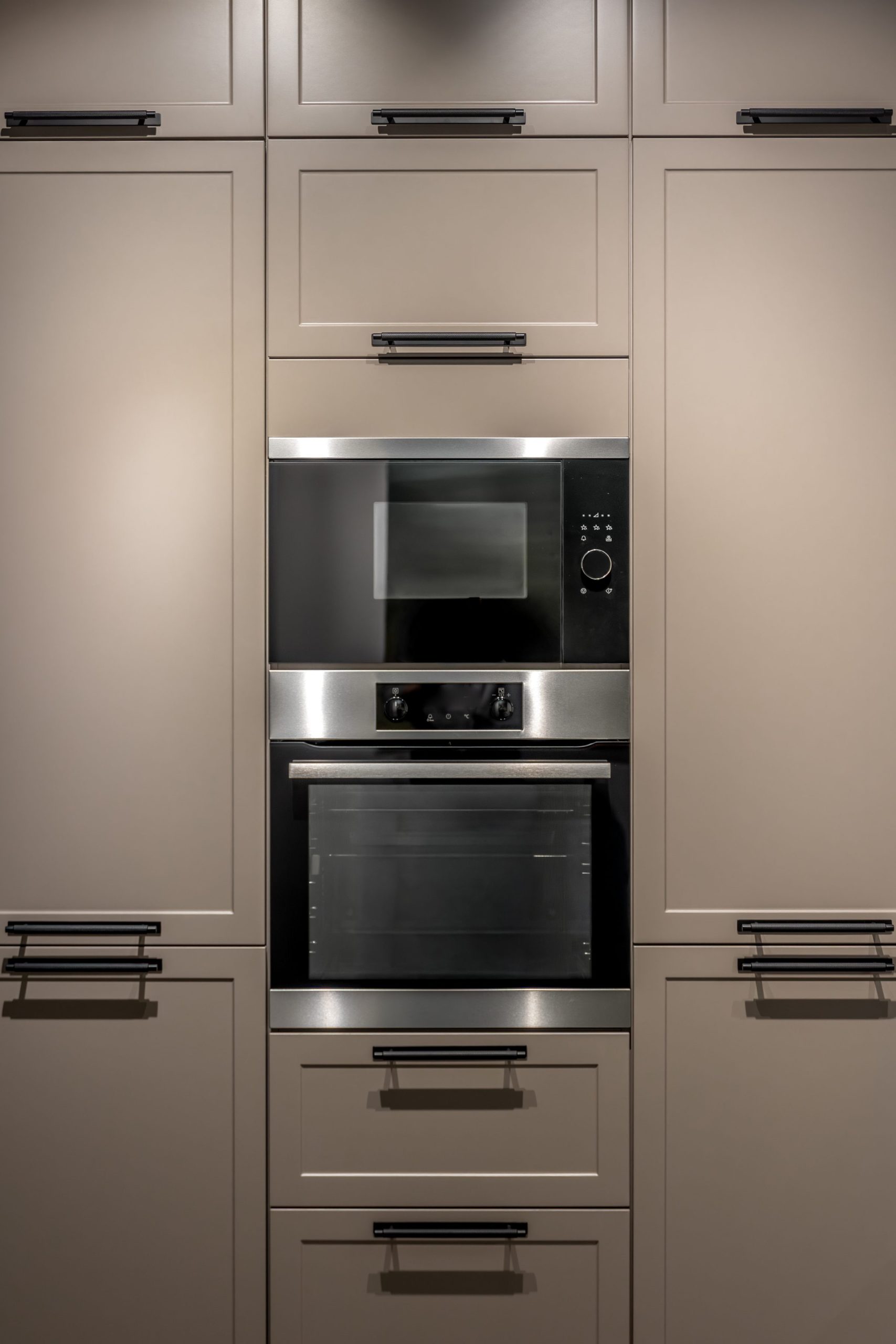
Appliance
Viking wall ovens & warming drawers
Built-in ovens in every configuration this brand has sold — single, double, French-door, and the RVL steam oven that stacks with them — plus the warming drawer underneath, which is repaired here even though it has no card of its own. On a double oven the first question is always which of the two cavities.
- 10 symptoms we are called out to
- From $95 diagnostic, credited to the repair
- 59 cities and neighborhoods covered
- OEM parts available on order
The short version
What this equipment is, for a repair
Configurations
Single · Double · French-door · RVL steam · Warming drawer
Access
Planned before the visit, not discovered on arrival
Parts
OEM, available on order
Diagnostic
From $95, credited to the repair
What goes wrong with it
Symptoms we are called out to on Viking wall ovens & warming drawers
Each one covers the likely causes in the order they are worth checking, and what to do in five minutes before booking anything.
-
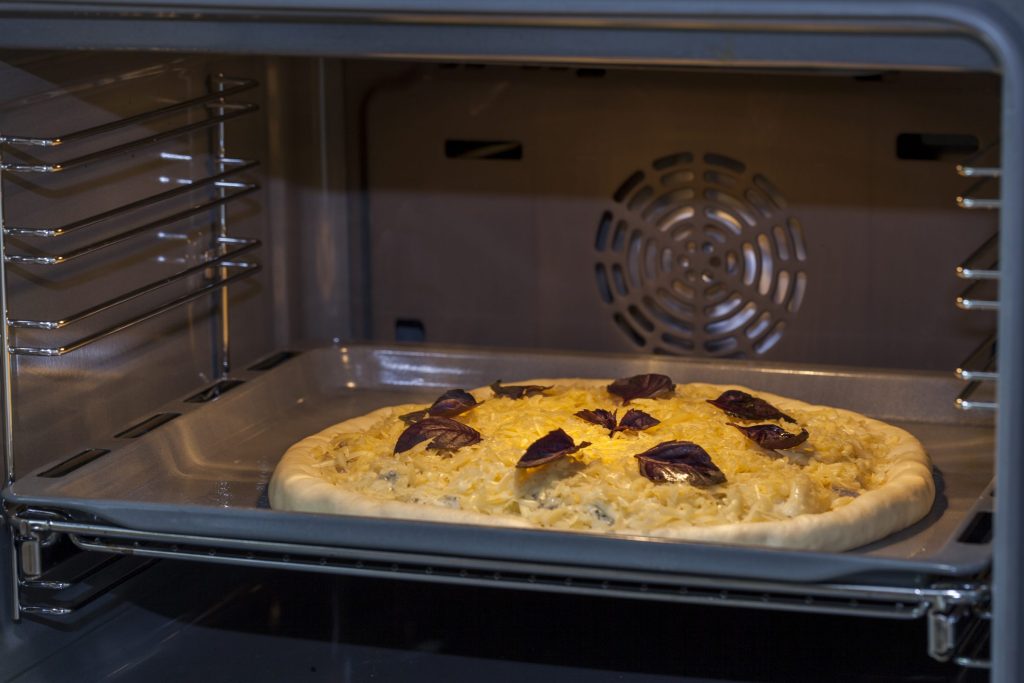
The display often names the part Oven not heating
An oven that sets a temperature and stays cold, or heats on one mode and not another. On this make the message is usually in words rather than in numbers, and RTD ERROR names the sensor outright.
- Sets a temperature and stays cold
- Broils but will not bake
- A message in words on the display
-
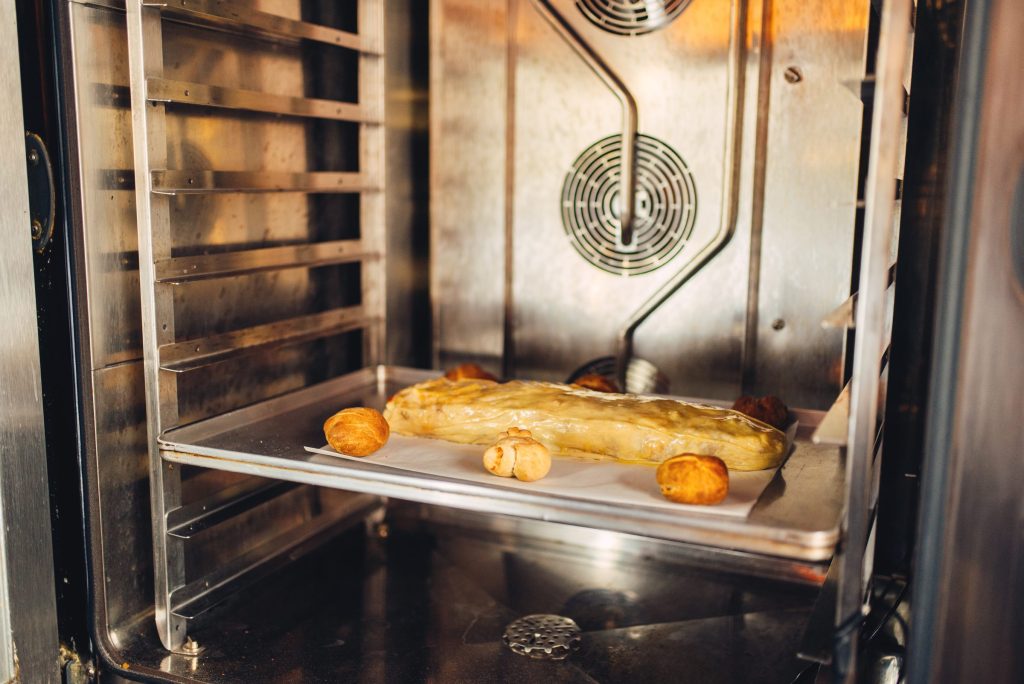
Obedient, and aiming at the wrong number Oven temperature wrong or uneven
An oven that heats perfectly to a temperature that is not the one you set, or browns on one side and undercooks on the other. Almost always a measurement problem rather than a heating one.
- Everything browning too fast or too slowly
- One side or one shelf consistently darker
- Baking that changed without anything else changing
-
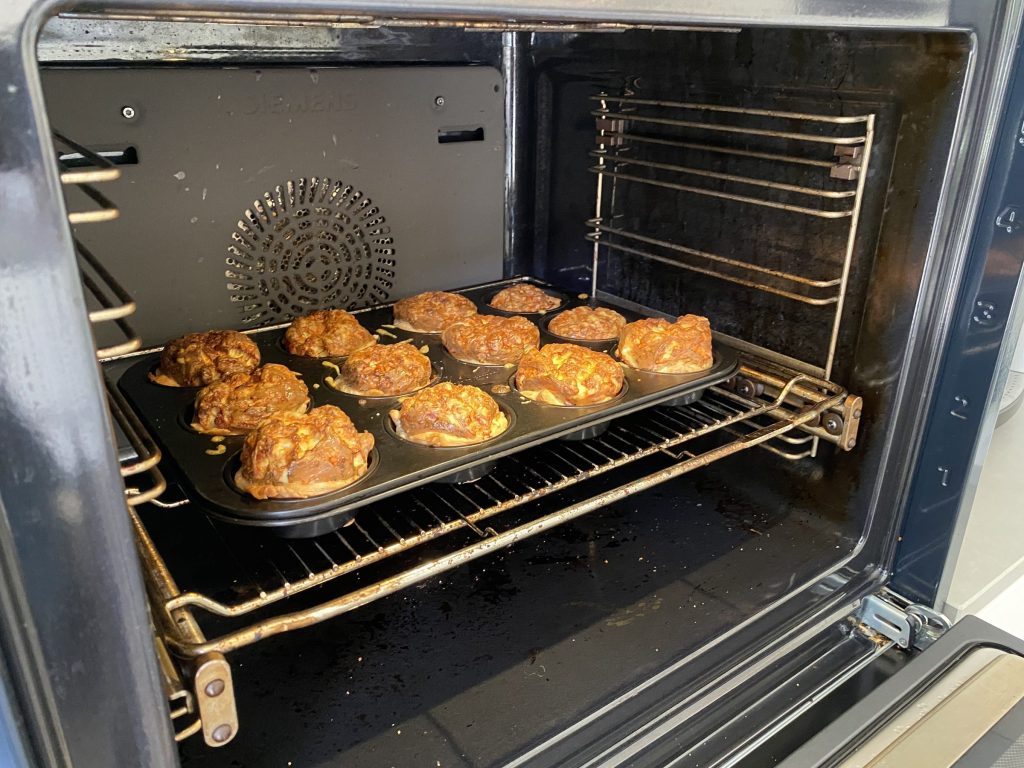
The cycle that finds everything Oven dead after a self-clean
An oven that ran a clean cycle and has not worked since. It is one of the most predictable calls on this equipment, and it is not because anything was done wrong.
- Worked before the clean cycle, dead after it
- The door still locked
- A message that appeared during or after the cycle
-
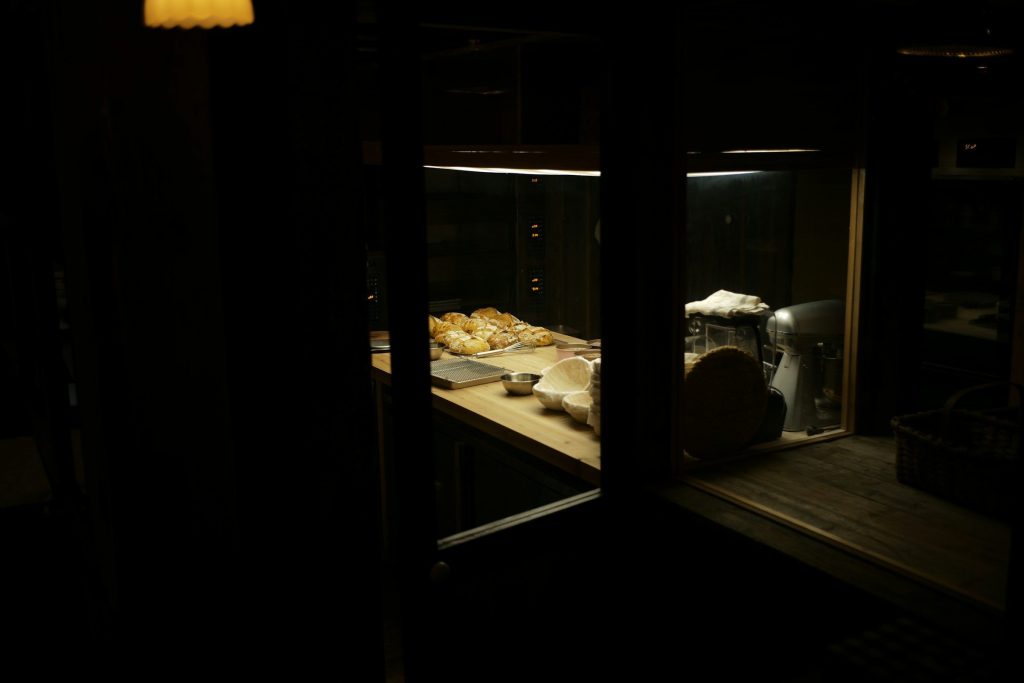
LATCH ERROR, in words Oven door locked shut
A door the control cannot unlock, usually after a self-clean. This make publishes it as LATCH ERROR in plain English, which is as clear as a diagnosis gets.
- Locked since a clean cycle
- LATCH ERROR on the display
- The latch audibly trying and not moving
-
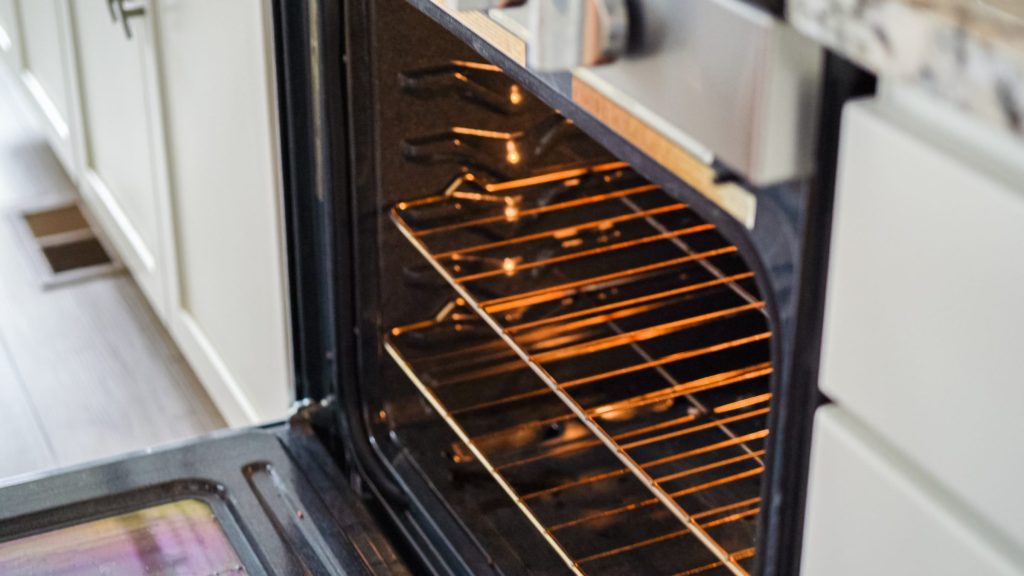
The gap you cannot see Oven door not closing properly
A door that does not sit flush, springs back, or closes on a gap at one corner. On a French-door oven there are two leaves that have to arrive at the seal together, which adds a way for it to go wrong.
- A visible gap at one corner
- The door springs back slightly
- Heat or steam escaping at one edge
-
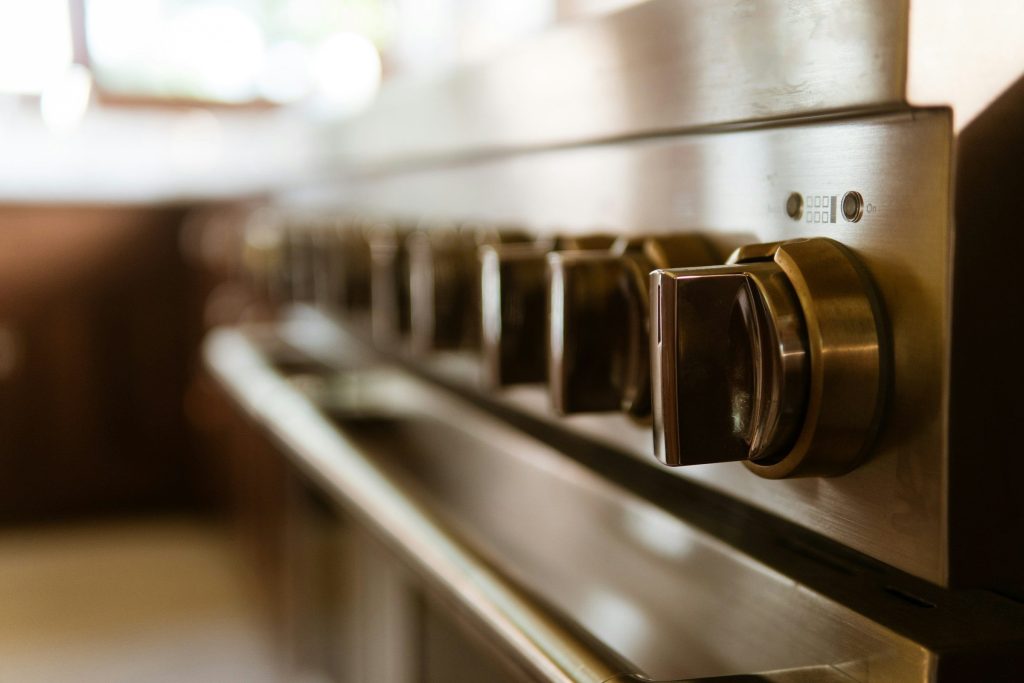
KEYBOARD ERROR, and what it is not Oven controls not responding
A panel that ignores presses, responds to the wrong one, or has gone dark. On this make there are three separate published messages behind it and they are three different repairs.
- Some keys work and others do not
- The panel is lit and ignoring everything
- A message in words rather than a number
What we do on it
Repairs we carry out on Viking wall ovens & warming drawers
Starting figures for this equipment in South Florida. The exact cost is confirmed after an on-site diagnostic — and this is not the whole list of what can go wrong, so call if your problem is not here.
-
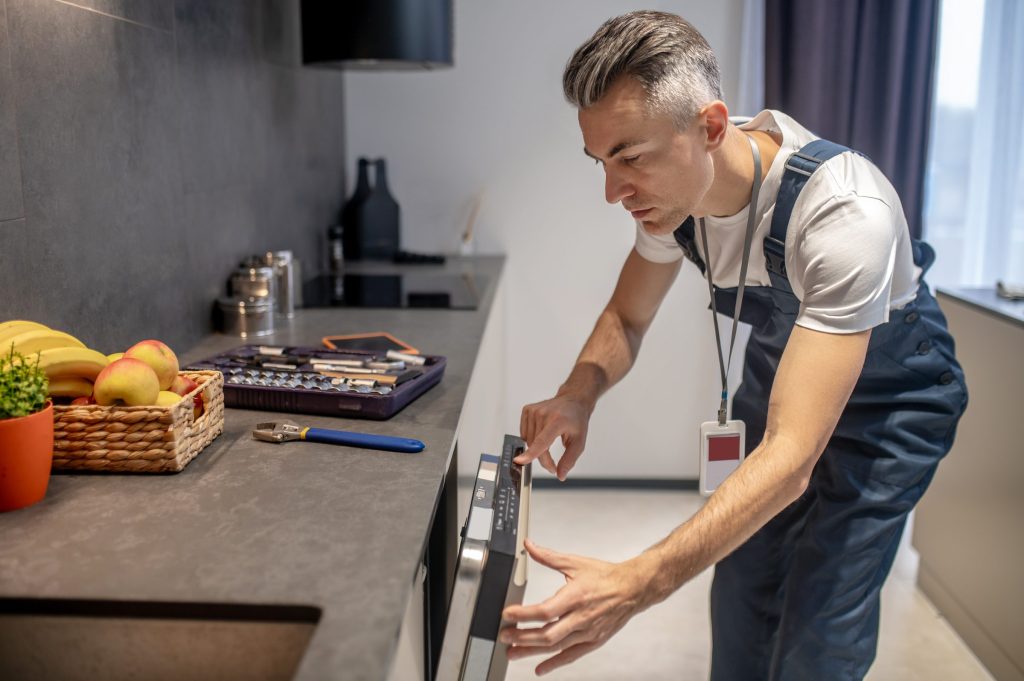
from $95 Diagnostic visit
One visit that ends with a named cause, a figure and a decision — and the fee comes off the bill if you go ahead with the work.
- Credited against the repair
- A written figure before anything is ordered
- Ten appliance types, one rate
-
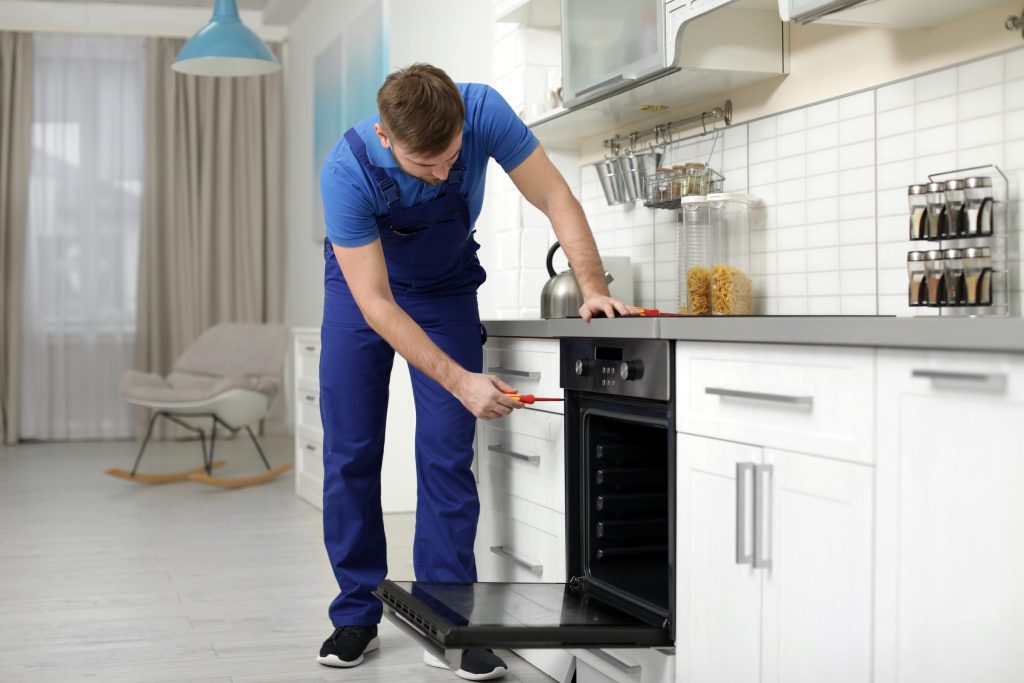
from $195 Oven element & sensor repair
An oven that sets a temperature and stays cold, or heats faithfully to the wrong number. On this make the display frequently names the part outright — RTD ERROR is the sensor, in words.
- Bake, broil and convection tested separately
- Sensor resistance measured, not estimated
- The cavity named on a double oven
-
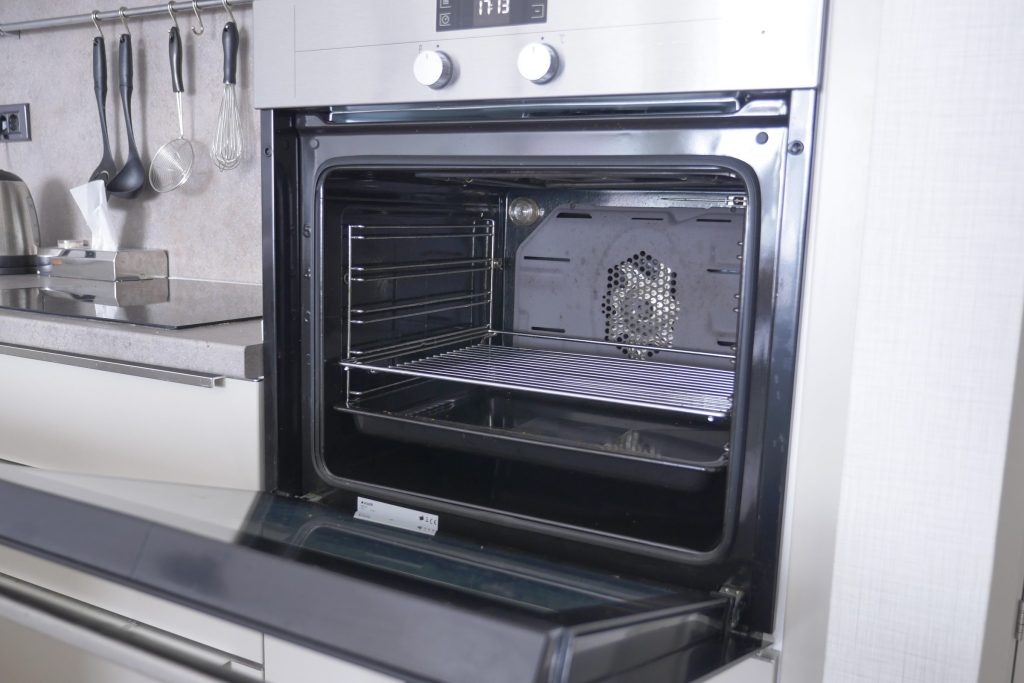
from $215 Oven door latch repair
A door locked after a self-clean, or a latch the control cannot move. This make publishes it as LATCH ERROR, in words, which is as clear as a diagnosis gets.
- Door opened without damaging the front
- Latch motor and switch tested separately
- Self-clean proved before it is signed off
-
from $175 Door seal & hinge repair
The cheapest thing on any of these appliances and the most commonly to blame. A door a few millimeters off its seal costs heat on an oven and costs everything on a column refrigerator.
- Seals checked along their whole length
- Hinges reset rather than only replaced
- Custom panels squared on their brackets
-
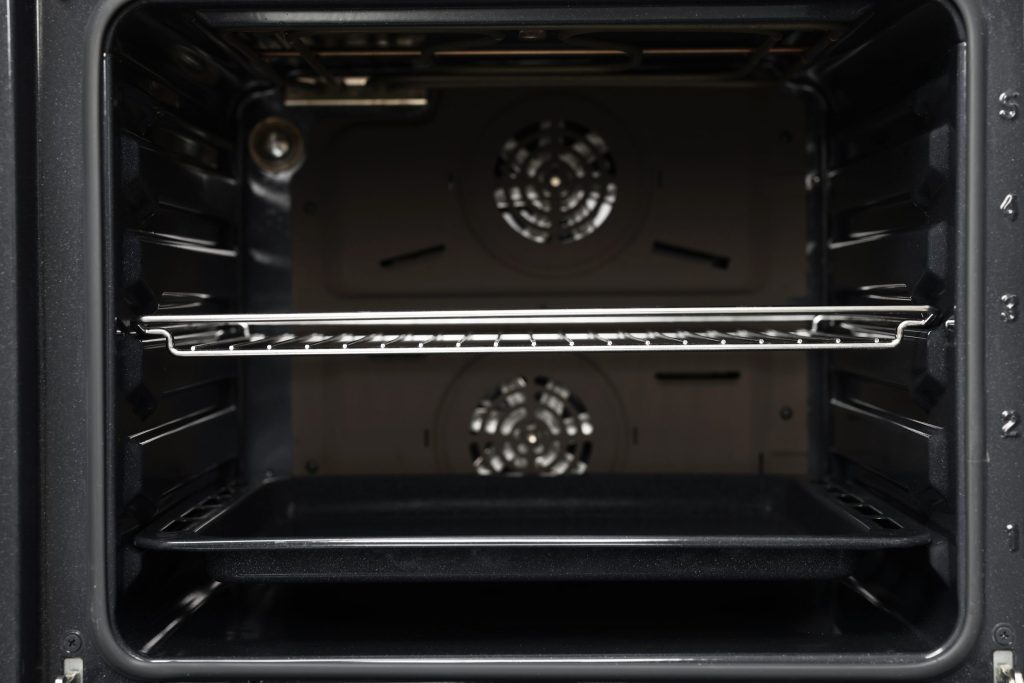
from $205 Convection & cooling fan repair
The fan that does half the cooking on convection, and the one that keeps the electronics alive. Two fans, two very different consequences when one stops.
- Convection tested against bake, which halves the diagnosis
- Cooling fan run-on checked before it is called a problem
- Bearings and drive tested separately
-
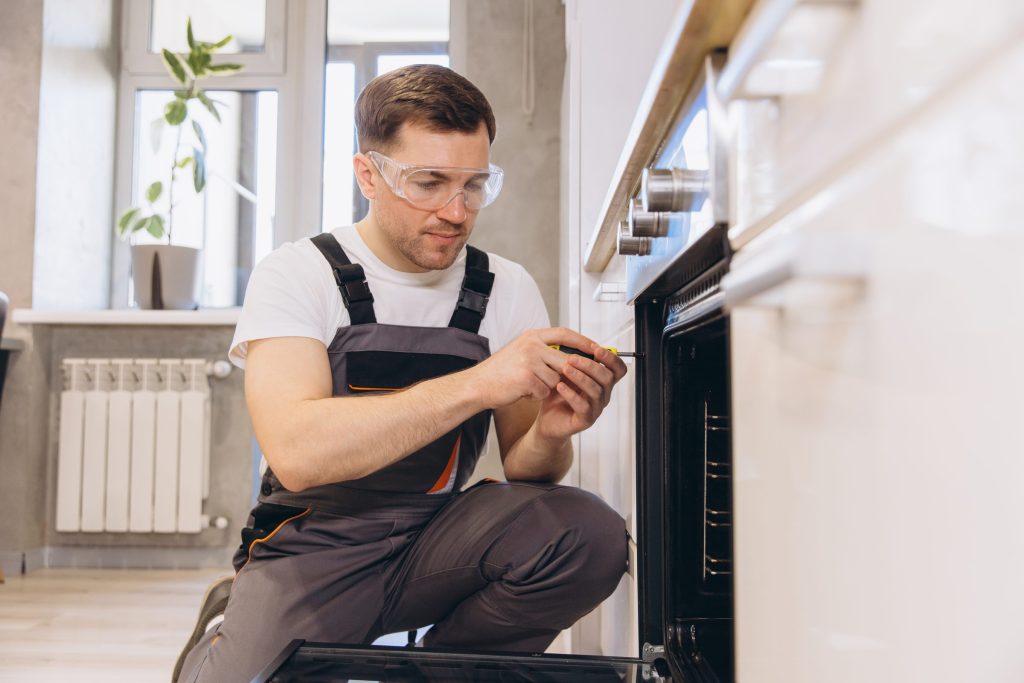
from $345 Control board replacement
The repair people assume it is and it usually is not. A board is proved by eliminating what it drives — and on this make a control condition that survives a proper power cycle is a different thing from one that does not.
- Everything the board drives eliminated first
- A genuine five-minute power cycle before any part is ordered
- Configuration set on replacement, which is its own condition here
-
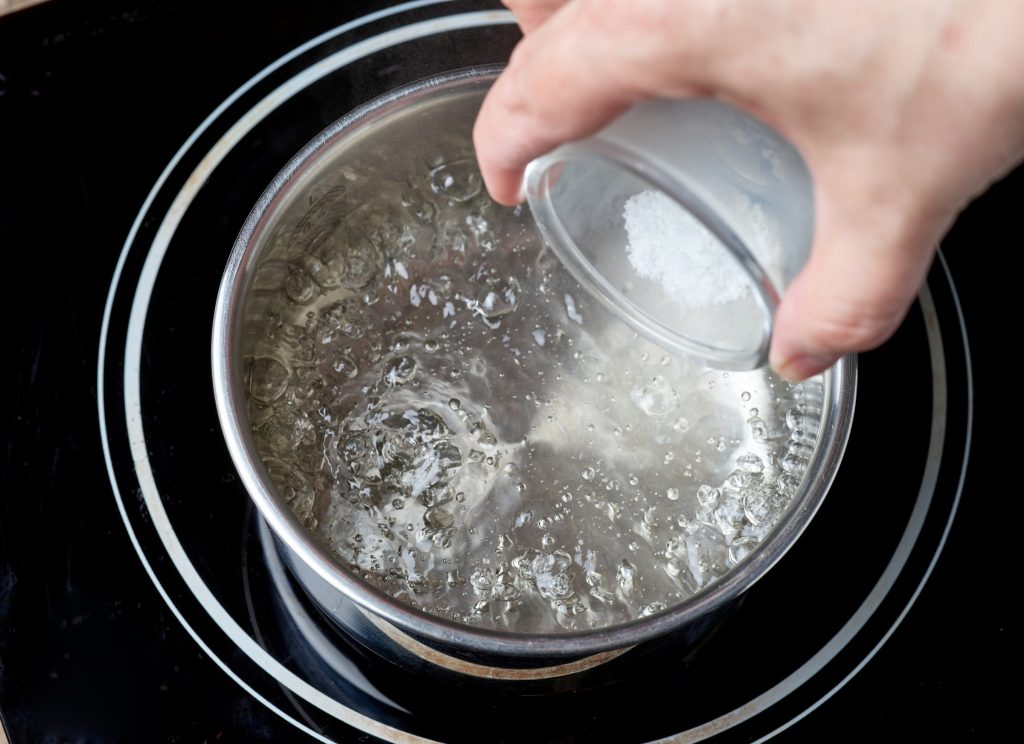
from $145 Steam oven descaling
The maintenance job that prevents the expensive one. This water is harder than the interval the oven calculates from, so the appliance asks late and the boiler pays for it.
- The agent the maker names, not vinegar
- Full cycle run and proved
- The interval reset to what this water actually needs
-
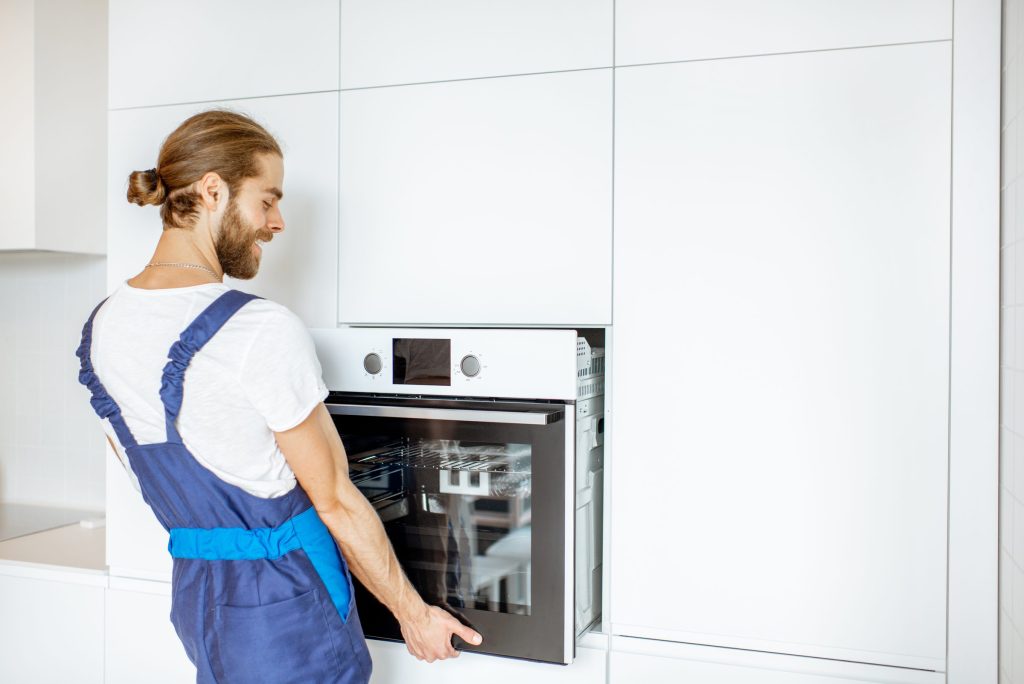
from $225 Appliance installation
Built-in equipment set into cabinetry, leveled, connected and proved. On this make that includes the two things that cause the most trouble later: ventilation under a cooktop, and a drain for an ice machine.
- Leveled properly, which several appliances here measure by
- Ventilation clearances confirmed against the instructions
- Panels and grille kits set square
In more detail
About Viking wall ovens & warming drawers
Every configuration this brand has built
Single and double electric, gas ovens with the infrared broiler, French-door models, the RVL steam oven, and the warming drawers that live under them. Over a hundred wall ovens are documented across the generations, and most of what is in a South Florida kitchen today has been out of production for years — which is a statement about parts, not about quality.
What actually goes wrong
- A cavity that will not heat. Element, sensor, relay — in that order of likelihood, and on a double, in one cavity at a time.
- Temperature that is wrong rather than absent. The sensor drifting. Measured with a probe, not argued about.
- A door locked after self-clean. The latch motor, with the cycle long over. Never forced.
- A cooling fan that runs on and on. Usually correct behavior after a hot cycle in a hot kitchen; a fan that never stops is a thermostat or a board.
- A touch panel that has gone dark or unresponsive. Heat and humidity behind a fascia, year round, is the local version of this failure.
- Steam ovens: scale. The tank, the fill valve and the drain, in that order.
Warming drawers, filed here on purpose
Viking builds twenty-four indoor warming drawers and two for the terrace. They have no appliance card of their own on this site because they are not a separate appliance to the person who owns one — they are the drawer under the oven. Switch, element, control: three things, and usually a short visit.
What to have ready
Which cavity, whether it is gas or electric, and the model number from the side of the opening behind the door.
This article is based on:
- Official manufacturer documentation
- Internal repair procedures
- Technician repair history
- Company quality standards
Before you book
Questions about Viking wall ovens & warming drawers
It is a double oven and only the bottom one is misbehaving. Is that one repair or two?
One, almost always. The two cavities have their own elements, their own sensors and their own fans, and share a control board and a power feed. A single cavity failing points at that cavity's own parts; both failing at once points at what they share. Say which one when you call — it changes what travels in the van.
The oven heats but everything comes out wrong.
That is the oven telling you a number it believes. The temperature sensor is a cheap part that drifts rather than dies, so the oven holds 350 perfectly and 350 is really 310. It is measured rather than guessed at: a probe in the cavity for a cycle says whether the sensor is lying, and by how much.
Do you work on the RVL steam oven?
Yes, and it deserves saying that it is a plumbing appliance as much as an oven. It has a tank, a fill path and a drain, and South Florida water scales all three faster than the manual assumes. If it is stacked over an RVL oven with a warming drawer beneath — which is how they are usually installed — tell us the whole stack, because getting one out means understanding what it is fixed to.
The warming drawer is cold. There is no card for it on your site.
There is no card and it is absolutely repaired — Viking documents twenty-six of them and we treat them as part of the oven. Cold usually means the drawer is not closing onto its switch, or the element was called for and never seen. Both are small jobs. The drawer is worth having working: it is the difference between serving a dinner and reheating it.
Where is the model number on a built-in oven?
Open the door and look along the side of the opening, usually on the left, at about the level of the middle rack. On a double, each cavity may carry its own plate. A photograph is enough; you do not have to write it down.
Where we do it
Across Miami-Dade, Broward, and Palm Beach
Same terms everywhere we go: an on-site diagnostic first, the price agreed in writing, and the exact figure confirmed once we have seen the unit.
Neighborhoods people ask for by name
 English