Appliance
Viking cooktops & rangetops
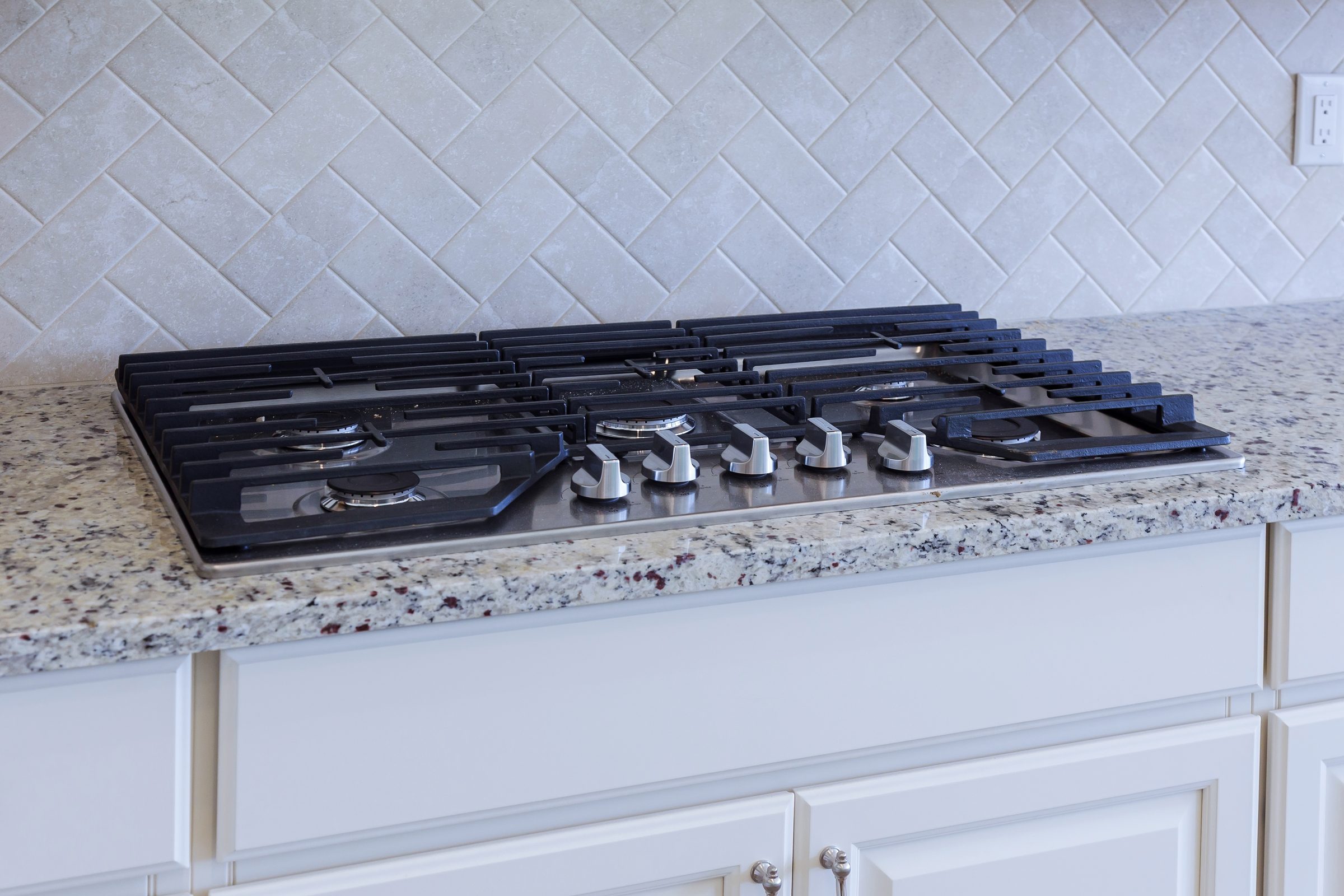
Two appliances and one word. A rangetop is a range's burner deck with cabinetry under it instead of an oven; a cooktop is the lighter equipment that drops into a worktop. Gas, electric and induction behind them fail in three unrelated ways, and only one of the three is really about heat.
- 5 symptoms we are called out to
- From $95 diagnostic, credited to the repair
- 59 cities and neighborhoods covered
- OEM parts available on order
The short version
What this equipment is, for a repair
Configurations
Gas · Electric · Induction · Professional rangetop · 24" to 48"
Access
Planned before the visit, not discovered on arrival
Parts
OEM, available on order
Diagnostic
From $95, credited to the repair
What goes wrong with it
Symptoms we are called out to on Viking cooktops & rangetops
Each one covers the likely causes in the order they are worth checking, and what to do in five minutes before booking anything.
-
One zone, or all of them Cooktop not heating
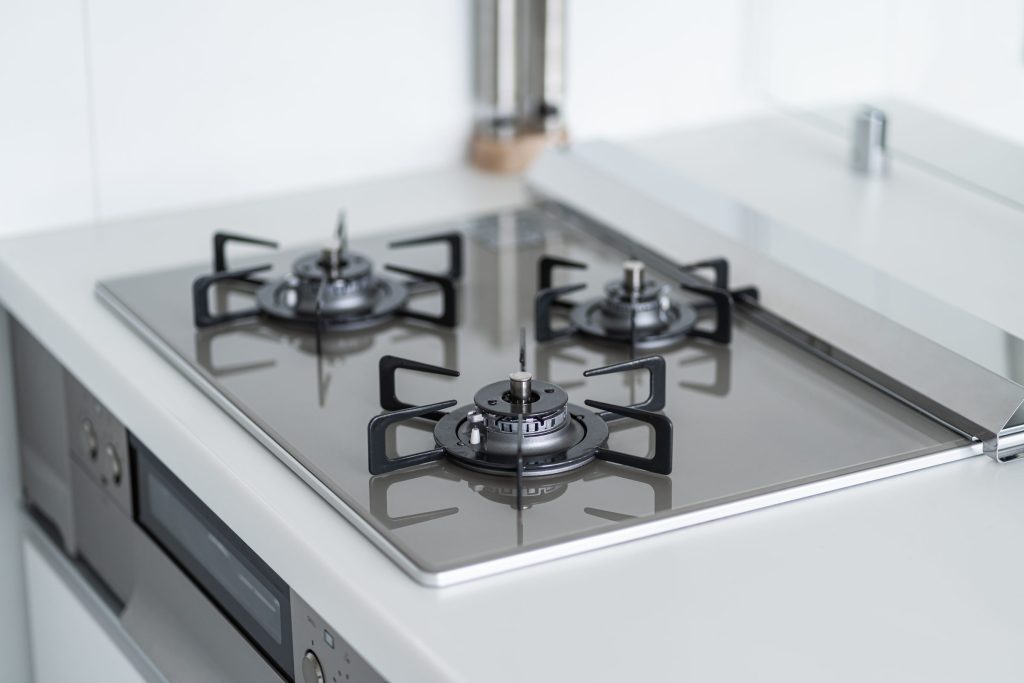
A zone that stays cold while the rest work, or a whole cooktop that lights up and never heats. On this make the answer depends entirely on which kind of top is in the counter.
- One zone cold, the rest fine
- Every zone cold with the panel lit
- It heats for a moment and stops
-
Nothing at all, or nothing that lasts Cooktop will not turn on
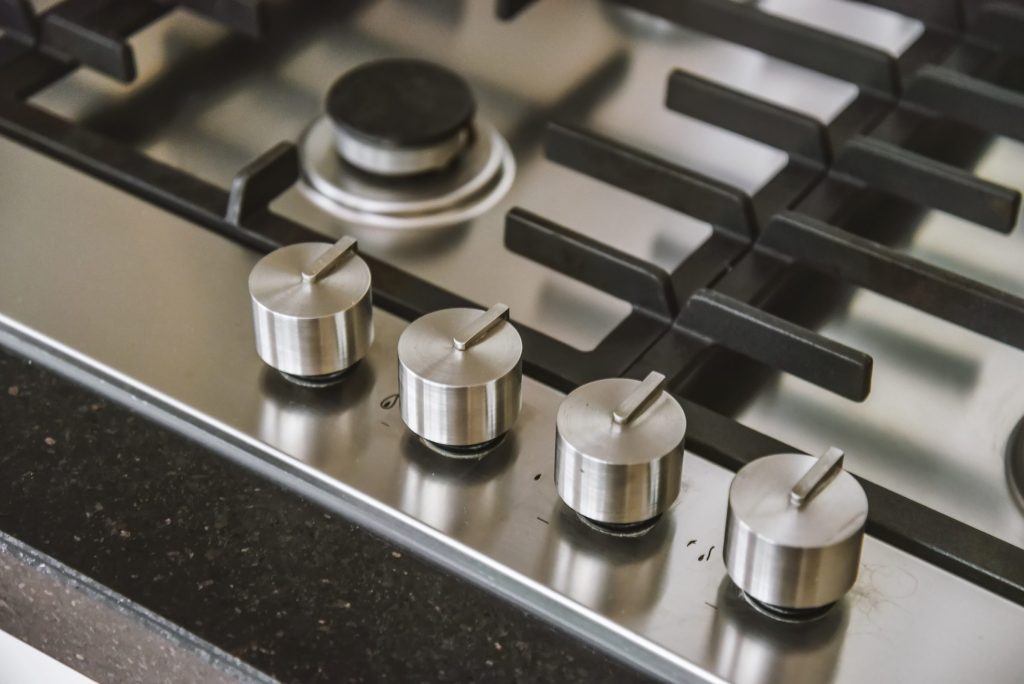
A cooktop that shows nothing when it is touched, or comes on and shuts itself down immediately. On the tops with a display this often arrives with a token that names the board rather than the elements.
- No response to the power key at all
- It powers up and shuts straight down
- A token in the timer window at start-up
-
Often a spill, sometimes the sun Cooktop controls locked or unresponsive
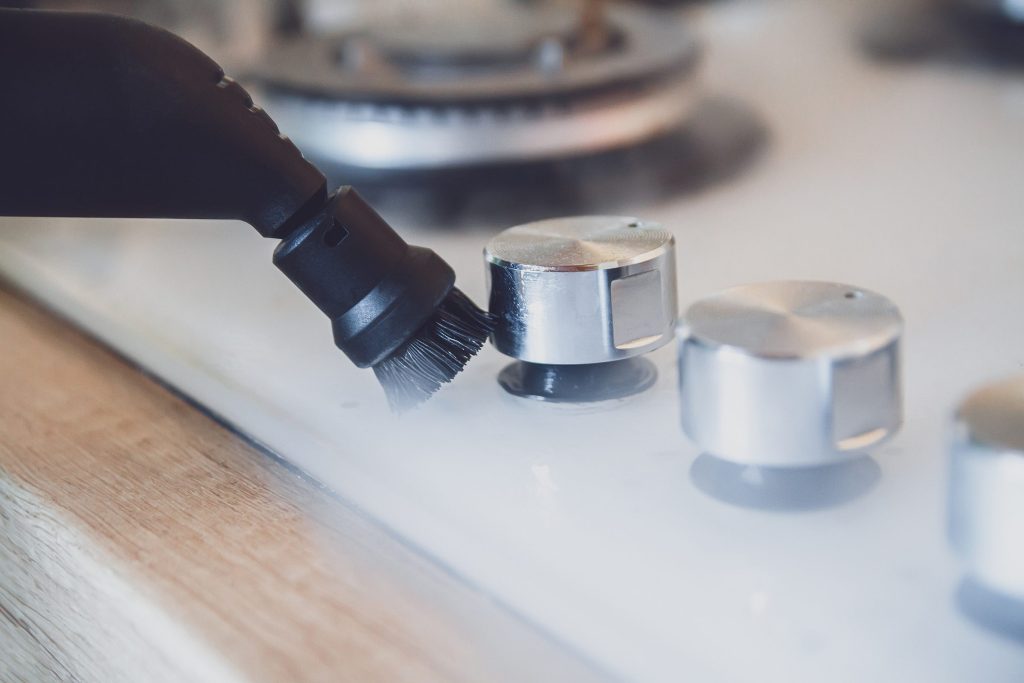
A touch panel that ignores you, or a cooktop that shuts every zone down and reports a key error. A large share of these are liquid, a cloth or direct sunlight, and every one of those is free to correct.
- The panel does not respond to touch
- A key error token in the timer window
- It only happens at a particular time of day
-

Usually heat, and usually the cabinet Cooktop zone shuts down mid-cook
A zone that works and then stops part-way through cooking, sometimes with a flashing count and sometimes with nothing at all. On induction this is very often the electronics protecting themselves rather than failing.
- It runs for a while and cuts out
- Only at high power, or only in summer
- A count of flashes with no display to read
-
The cooktop is refusing, not failing Induction not recognizing the pan
A zone that flashes, beeps or simply does nothing with a pan on it. Nine times out of ten this is the cookware, and a magnet settles it in five seconds without anybody being called.
- The zone flashes with a pan in place
- It works with some pans and not others
- A smaller pan works and a larger one does not, or the reverse
What we do on it
Repairs we carry out on Viking cooktops & rangetops
Starting figures for this equipment in South Florida. The exact cost is confirmed after an on-site diagnostic — and this is not the whole list of what can go wrong, so call if your problem is not here.
-
from $175 Open burner repair
The burner this make is known for: grates, bowls and burner heads that lift out by hand. Most of what goes wrong up there is reachable, and a real share of it costs the visit and nothing else.
- Every port cleared, not just the visible ones
- Flame checked hot and at simmer
- Burner heads seated and proved
-
from $165 Sealed burner & igniter repair
The sealed gas top: igniters that click without lighting, a simmer that will not hold, a burner that goes out under a lid. None of it shows a code, because this maker publishes none for gas.
- Igniter and electrode tested individually
- Simmer proved on the low setting
- Caps and ports checked before parts
-
from $185 Rangetop repair
The burner deck off a range, set into a counter with cabinets underneath. Same burners and grates as the range — and reaching the manifold means lifting it out of the stone.
- Burners and simmer proved individually
- Access planned before the visit
- Counter and surround protected
-
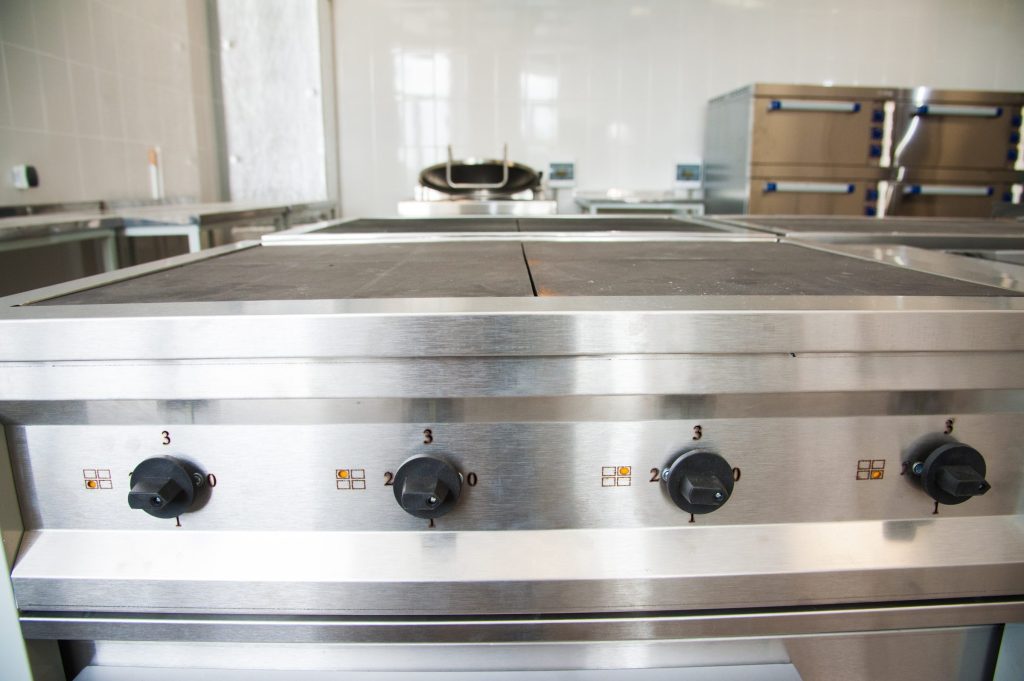
from $175 Griddle & grill plate repair
The griddle in the middle of a wide range or rangetop — the surface that gets used least and reported most, because a griddle that has not been asked to heat since the holidays is the one that will not.
- Heat proved across the whole plate
- Thermostat measured rather than adjusted by feel
- Plate leveled before it is signed off
-
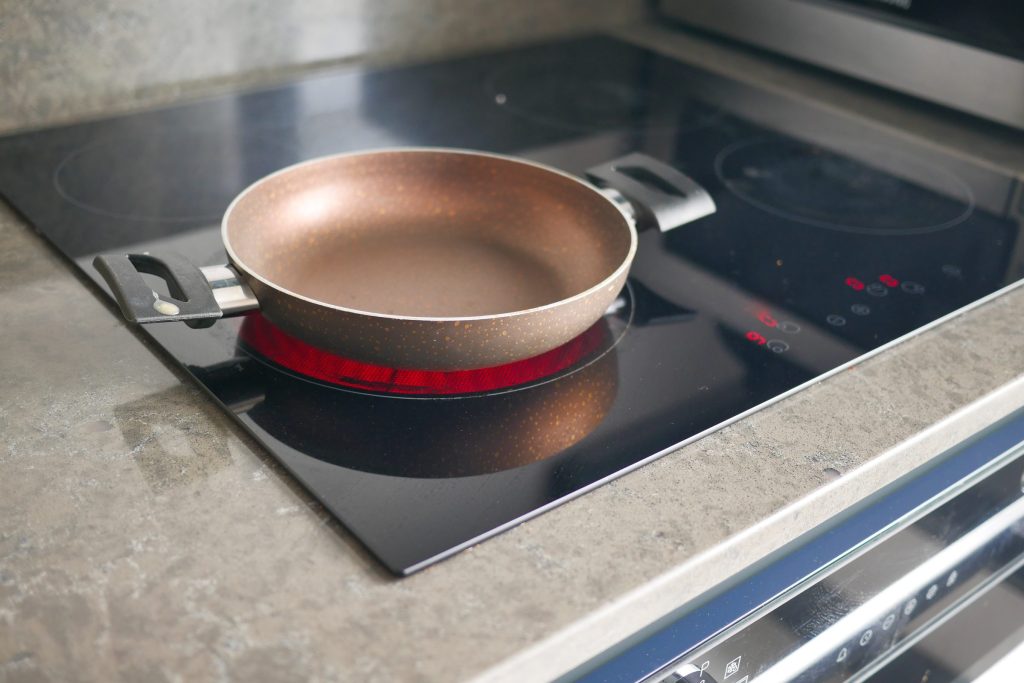
from $245 Induction cooktop repair
One generator per zone, each reporting for itself — so a dead zone is one module rather than a broken cooktop. And a real share of these calls turn out to be the pan.
- The pan ruled out before anything is opened
- Zone-by-zone, because each has its own generator
- Cabinet ventilation checked, which is half of the heat conditions
-
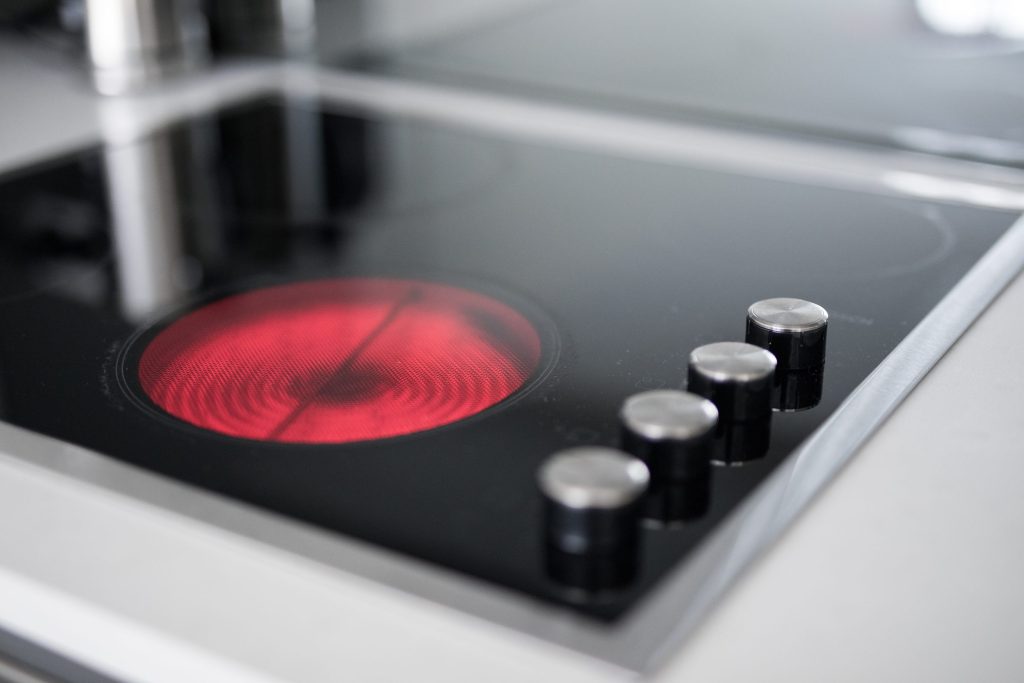
from $185 Electric cooktop repair
The radiant tops with a timer display — the ones that write an F and one more letter into it. That single character separates a spill under the glass from a relay that has welded.
- The code read before anything is opened
- Elements measured individually
- Control area dried and retested before parts
-
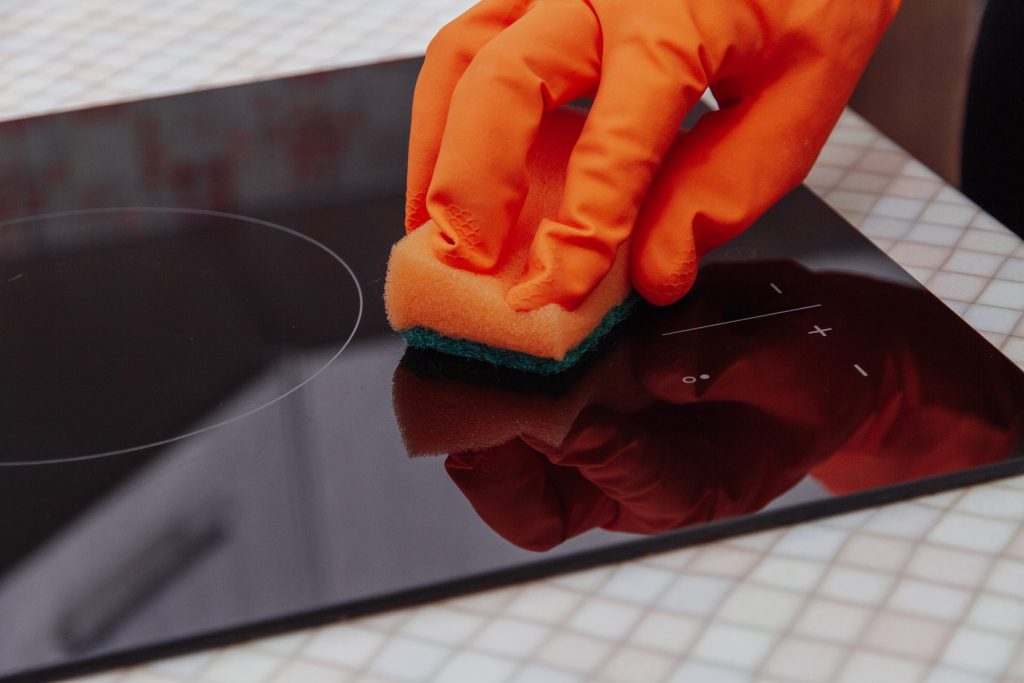
from $395 Cooktop glass replacement
A cracked ceramic surface on a radiant or induction top. Not cosmetic — a crack on an induction surface is a reason to stop using the zone rather than to live with it.
- Model-specific glass, measured before ordering
- Zones and sensing re-seated to the new surface
- The old surface removed without damaging the stone
-

from $345 Control board replacement
The repair people assume it is and it usually is not. A board is proved by eliminating what it drives — and on this make a control condition that survives a proper power cycle is a different thing from one that does not.
- Everything the board drives eliminated first
- A genuine five-minute power cycle before any part is ordered
- Configuration set on replacement, which is its own condition here
-
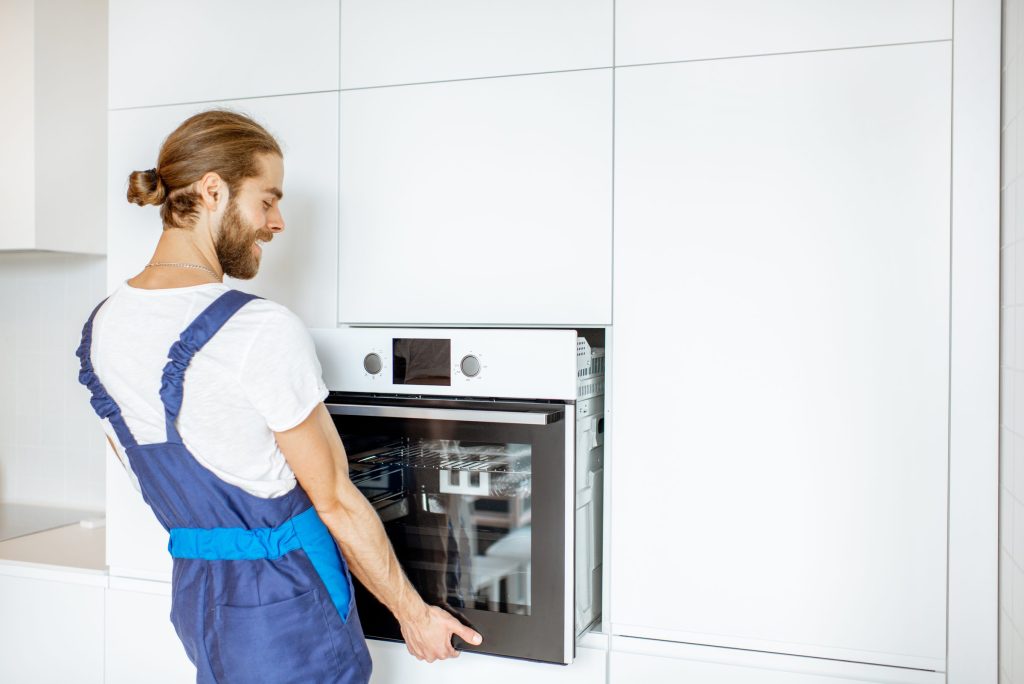
from $225 Appliance installation
Built-in equipment set into cabinetry, leveled, connected and proved. On this make that includes the two things that cause the most trouble later: ventilation under a cooktop, and a drain for an ice machine.
- Leveled properly, which several appliances here measure by
- Ventilation clearances confirmed against the instructions
- Panels and grille kits set square
In more detail
About Viking cooktops & rangetops
Gas, electric, induction, and a rangetop that is none of them
Most of what we are called to on this equipment is the appliance protecting itself, and it is usually right to. Knowing which of the four you have decides whether the conversation is about igniters, elements or power electronics.
What actually goes wrong
- A zone shutting down part-way through a cook. The generator beneath it has overheated. Look at what is running under the counter before anything else.
- A pan the surface will not find. Induction reads the base. Two pans and two zones settle it in a minute.
- Controls locking or acting on their own. Water on a capacitive panel, nearly always. Dry it completely, then cut power for thirty seconds.
- A gas burner that will not light or burns yellow. Seating first, then the igniter, then the port itself.
- Cracked glass. Not electronics: the surface is replaced rather than repaired, and the appliance should be off at the breaker until it is.
Spillover, and why this brand tolerates it
Viking builds the top to hold what boils over — around four cups a section on the Professional cooktop, six on the continuous-grate line — so that a pan going over is a cleaning job rather than an electrical one. Wash the parts, dry them completely, and seat them square; a burner that will not light afterwards is almost always one that has gone back a fraction off.
What to have ready
Whether it is gas, electric or induction, the width, and whether there is an oven under it or cabinetry. A photograph of the surface answers all three at once.
This article is based on:
- Official manufacturer documentation
- Internal repair procedures
- Technician repair history
- Company quality standards
Before you book
Questions about Viking cooktops & rangetops
What is the difference between a rangetop and a cooktop?
A rangetop is the burner deck off a range, dropped into a run with cabinetry underneath instead of an oven. Cast grates edge to edge, controls on the front face, and the same burners as the range. A cooktop is lighter equipment set into the worktop with its knobs or touch panel in the surface. They are different parts lists and, on a gas rangetop, a different job to reach anything behind the manifold.
An induction zone keeps switching itself off after ten minutes.
The generator under that zone has got too hot and stopped to protect itself, which means it is working. The first question is what is running below the counter — an oven underneath an induction top is a South Florida kitchen classic, and both appliances are behaving correctly. If nothing is on below and the ventilation gap is clear, that zone's own cooling is next.
The cooktop cannot find my pan any more.
Induction reads the base of the pan, not its position. Stainless, enamel and cast iron are usually seen; copper, glass and aluminum are not, and a base that has warped away from the glass is ignored by a cooktop that is perfectly healthy. Try the same pan on another zone and another pan on the same zone — those two tests answer it before anybody visits.
The controls have locked and nothing responds.
Dry the entire panel first, edge to edge. A film of water reads to a touch surface as a hundred fingers at once, and drying it is a real fix rather than a trick. If it is dry and still dead, cut the power at the breaker for thirty seconds to clear a control that has hung.
Something boiled over into the burners. Is that a call?
Usually not, and the maker designed for it: the Professional cooktop will hold about four cups a section and the continuous-grate models about six, precisely so that a pan boiling over does not reach the electrics. Let it cool, lift the parts out, wash them, dry them completely, and put them back square. It only becomes our visit if a burner will not light afterwards.
Where we do it
Across Miami-Dade, Broward, and Palm Beach
Same terms everywhere we go: an on-site diagnostic first, the price agreed in writing, and the exact figure confirmed once we have seen the unit.
Neighborhoods people ask for by name
 English