Eighty-four conditions, and not one of them on a dishwasher
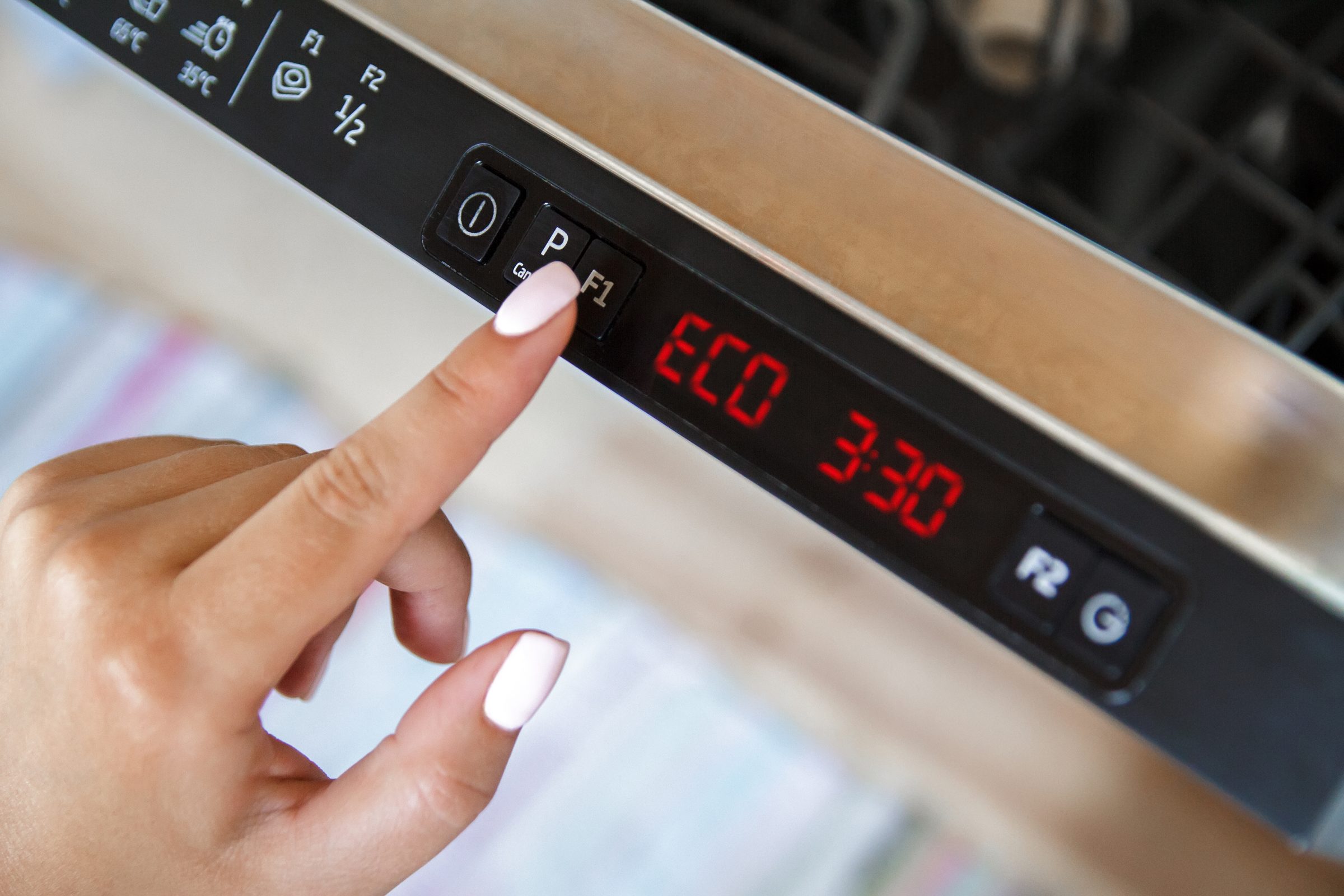
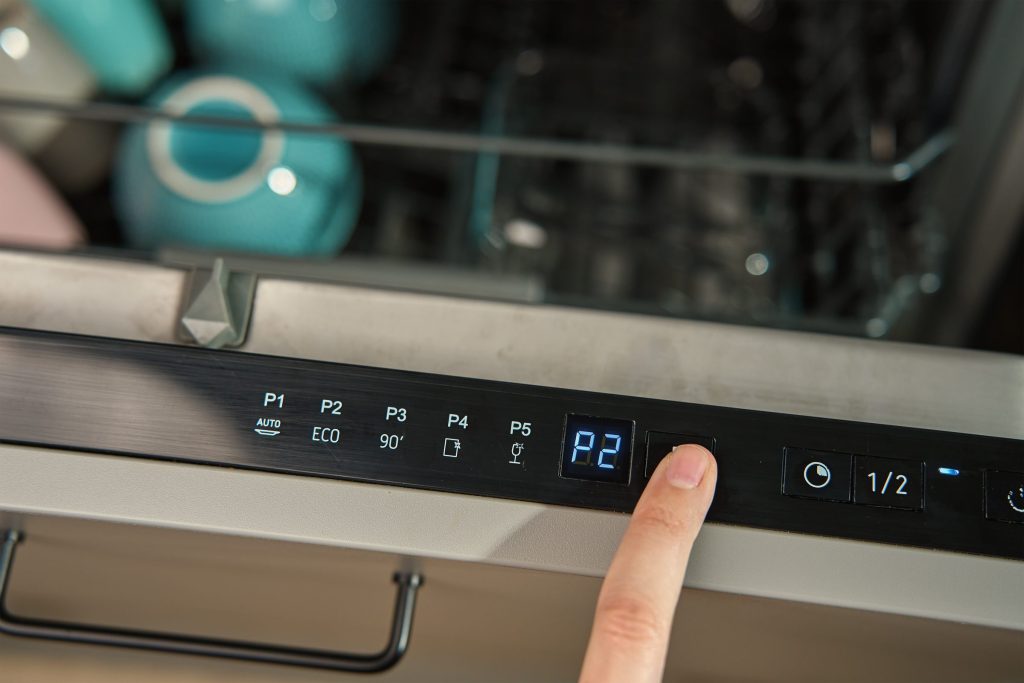
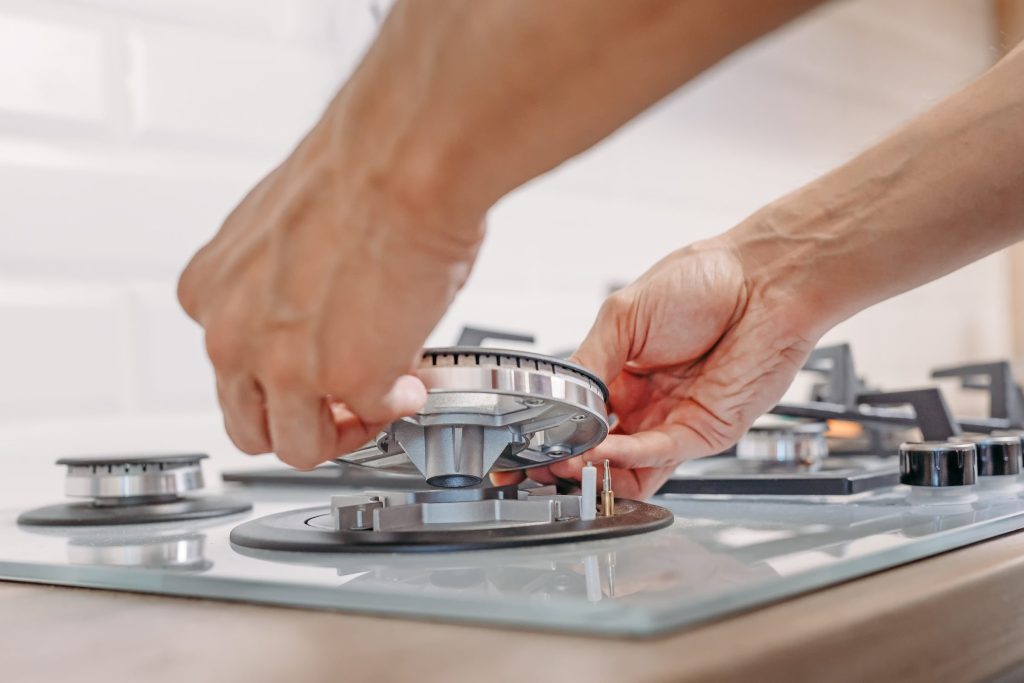
Worth knowing before you go looking. This make’s dishwashers publish no error codes at all, so if that is the appliance in front of you, the code archive is the wrong tool and the symptom pages are the right one. The 84 conditions decoded here belong to the cooking equipment, the refrigeration controls and the ventilation.
The same code is not the same condition on two machines
This is the trap on this badge and it is worth stating plainly: E2 is a condenser fan on one appliance and an overheated cooktop on another. A code read on the wrong machine is worse than no code, because it sounds like an answer. Every page here says which equipment its code belongs to, and that is the first thing to check.
A code names the circuit that reported
Not the part that failed. A temperature code can be the sensor, the thing it is measuring, or the wiring between them, and those are three repairs at three prices. The on-site diagnostic settles which. What a code buys you is speed: it narrows the search before anybody leaves, and that is often the difference between one visit and two.
What to do while it is on screen
Photograph the display. Note the model number from the plate. Note what the appliance was doing when the code appeared – at the start, part-way through, or after the power came back. Those three facts together are worth more than the number alone.
If there is no code and something is clearly wrong
That is ordinary on this equipment rather than unusual. Start from the symptom pages, describe the behavior, and send the model number with it. A machine misbehaving with a clean display is not a machine with nothing wrong.
 English