Appliance
Viking wine cellars
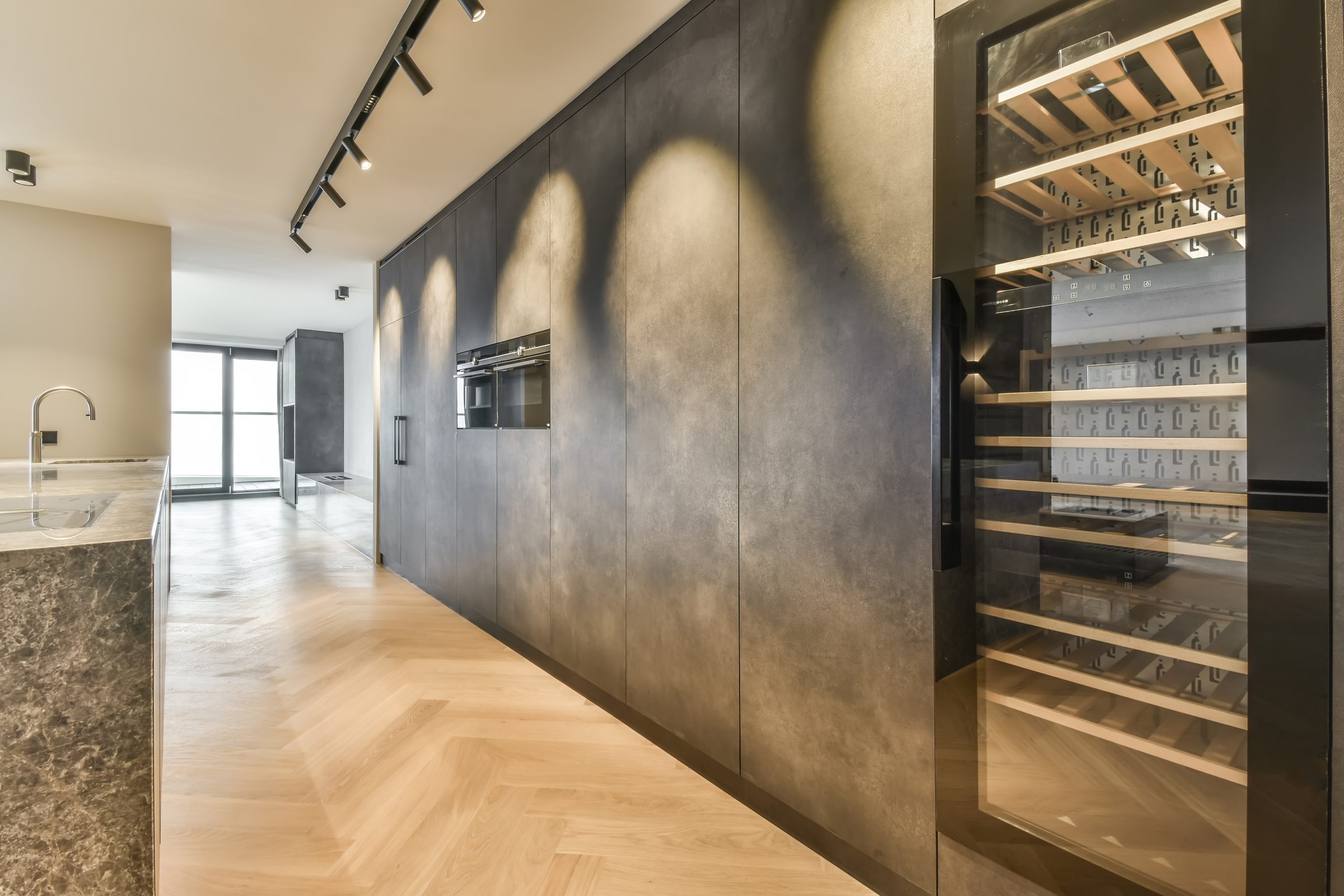
Undercounter cellars of 24 and 45 bottles, full-height units, glass-door and solid-door models, single and dual zone. The mechanism is refrigeration; the requirement is not. A cellar that holds 48°F instead of 55°F is failing at its only job while looking completely normal.
- 2 symptoms we are called out to
- From $95 diagnostic, credited to the repair
- 59 cities and neighborhoods covered
- OEM parts available on order
The short version
What this equipment is, for a repair
Configurations
Undercounter · Full-height · Glass door · Solid door · Single and dual zone
Access
Planned before the visit, not discovered on arrival
Parts
OEM, available on order
Diagnostic
From $95, credited to the repair
What goes wrong with it
Symptoms we are called out to on Viking wine cellars
Each one covers the likely causes in the order they are worth checking, and what to do in five minutes before booking anything.
-
A glass door is a real thermal load Wine cellar not cooling
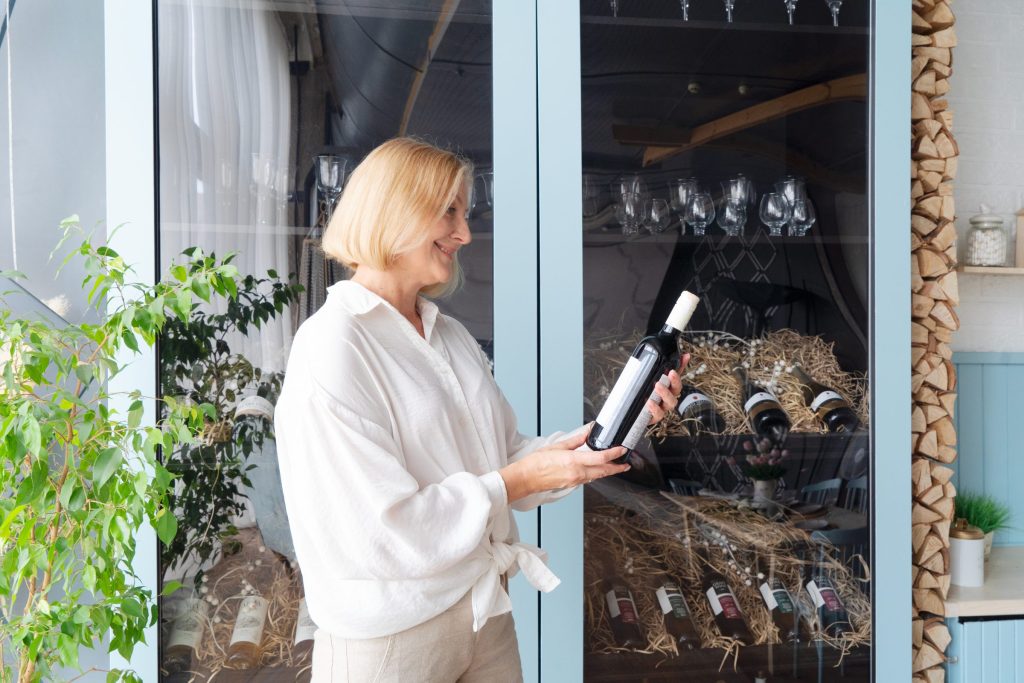
A cabinet running warm, or running and never reaching its set point. In a kitchen where the air conditioning goes off during the day, a glass door changes the arithmetic considerably.
- Warmer than the set point all day
- Cooling at night and not in the afternoon
- An E-code on the display
-
On a two-zone cabinet, which zone matters Wine cellar temperature wrong or swinging
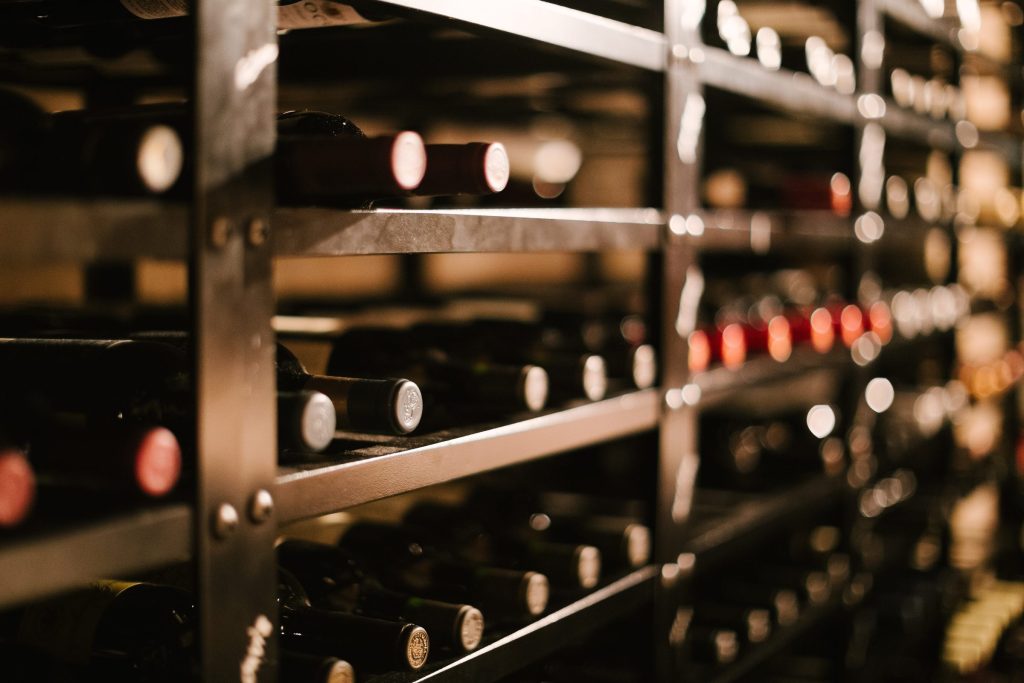
One zone right and the other not, or a temperature that will not sit still. Stability matters more than the number here, and on a dual-zone cabinet the code means something different from what it means anywhere else on this make.
- One zone correct, the other several degrees out
- A temperature that swings through the day
- A display flashing an E-number
What we do on it
Repairs we carry out on Viking wine cellars
Starting figures for this equipment in South Florida. The exact cost is confirmed after an on-site diagnostic — and this is not the whole list of what can go wrong, so call if your problem is not here.
-
from $495 Refrigerator sealed system repair
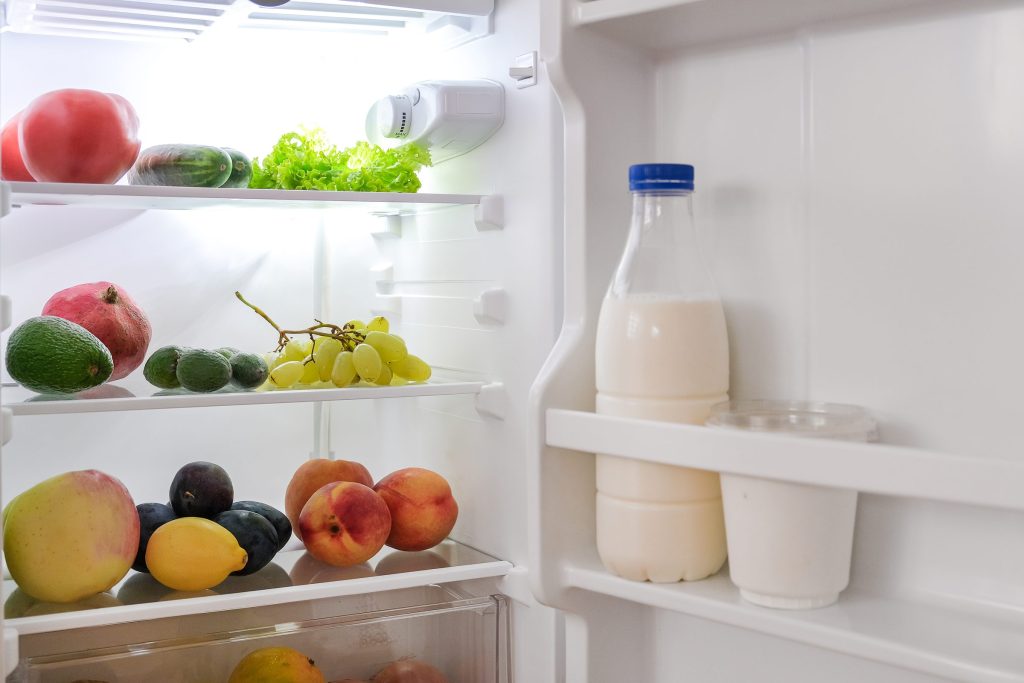
Compressor, condenser, evaporator and the refrigerant between them. The most serious repair on the cold half, and the one where an honest answer about whether it is worth doing matters most.
- Everything outside the sealed system eliminated first
- Recovery and recharge done to the plate figure
- A frank answer on whether it is worth the money
-
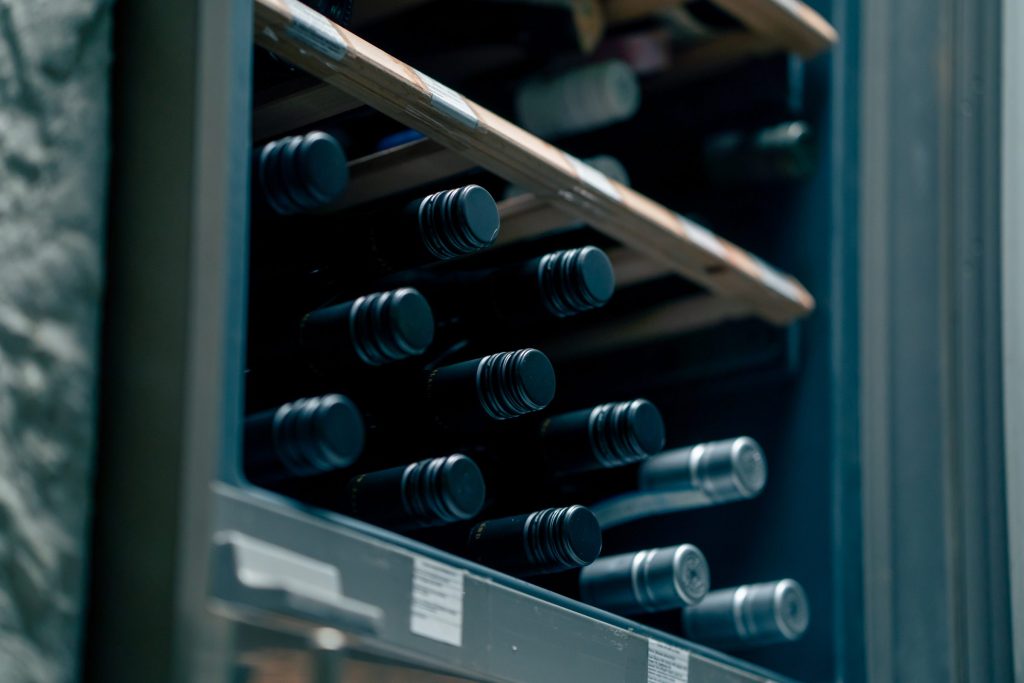
from $215 Wine cellar repair
Single-zone and dual-zone cabinets, glass doors, and a temperature that has to be right rather than merely cold. On a two-zone unit the code means something different from what it means anywhere else on this make.
- Zone-by-zone, because the codes differ between them
- Glass door and seal treated as a real thermal load
- Set points read before anything is called wrong
In more detail
About Viking wine cellars
Refrigeration with a much narrower brief
A wine cellar is a refrigerator that has to be accurate rather than cold, still rather than efficient, and dark. Viking's units carry dual-pane argon-filled glass with around 70 percent UV protection — 63 on the fluted glass — low-intensity LED lighting and coated shelves that damp vibration. Every one of those is there to protect something that cannot report that it is being harmed.
What actually goes wrong
- Holding the wrong temperature. Sensor or damper, most often, and measurable in one visit.
- One zone of two. That zone's own damper, fan or sensor.
- Condensation inside the glass. Door seal or alignment, not the cooling.
- Running constantly. Very often a cellar that is nearly empty, or a condenser that has not been cleared.
- Lighting. LED strips and their drivers, and a light that stays on inside a cellar is worse than one that fails.
What to have ready
What it is reading and what it is set to, whether it is single or dual zone, and roughly how full it is. Those three answers separate a repair from a physics lesson before anybody drives anywhere.
This article is based on:
- Official manufacturer documentation
- Internal repair procedures
- Technician repair history
- Company quality standards
Before you book
Questions about Viking wine cellars
What should it actually be holding?
Around 55°F for storage, with 55 to 60 adequate for reds, and humidity somewhere between 60 and 75 percent. Whites and sparkling wines are usually kept cooler. The number matters more here than in most appliances: a cellar that is four degrees out is not inconvenient, it is quietly not doing the thing it was bought for.
It is a dual zone and only one half is wrong.
Then look at that zone's own parts first — its damper, its fan, its sensor — because a dual zone splits one cooling circuit between two compartments rather than carrying two. It is a common call and rarely the expensive answer.
There is condensation on the inside of the glass.
In a humid kitchen that is often the door rather than the cooling: the glass is dual-pane and argon-filled precisely to stop this, so moisture inside usually means a seal has failed or the door is not closing square. It is worth attending to — persistent condensation reaches labels long before it reaches wine.
The unit is half empty. Does that matter?
It does, and it is not a repair. A well-stocked cellar holds temperature better because the bottles themselves are the thermal mass; a nearly empty one makes the compressor work far more often to cool an empty box. If the complaint is that it runs constantly and there are six bottles in it, that is worth knowing before we come.
How many bottles do the undercounter models hold?
The 15-inch model takes 24 bottles and the 24-inch takes 45. Both install under a counter or stand free, and they are frequently found in a row with a beverage center and an ice machine — three different appliances in three identical-looking openings.
Where we do it
Across Miami-Dade, Broward, and Palm Beach
Same terms everywhere we go: an on-site diagnostic first, the price agreed in writing, and the exact figure confirmed once we have seen the unit.
Neighborhoods people ask for by name
 English