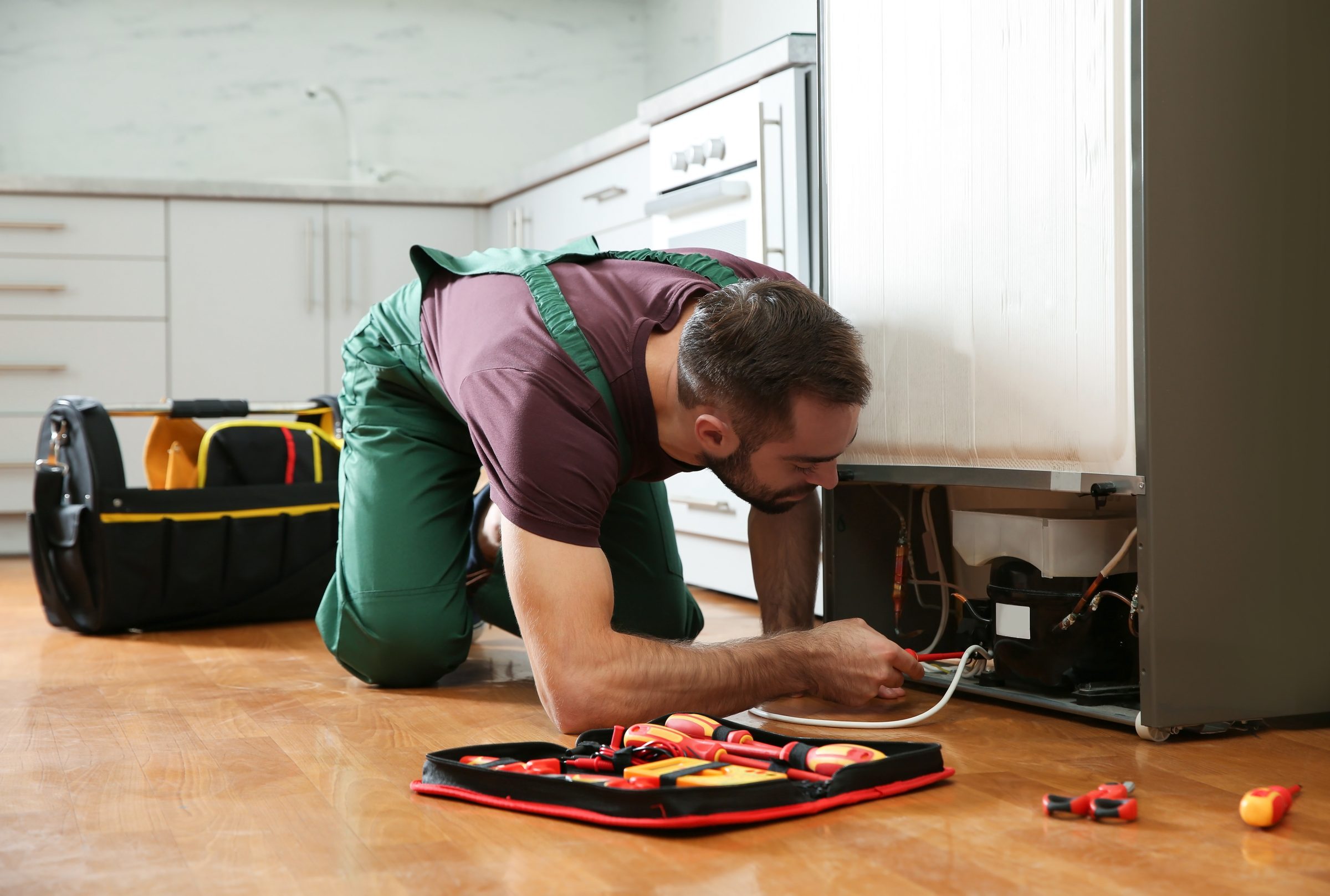
Common Problems
How Long Viking Appliances Actually Last — by Appliance, Not by Brand
How long do Viking appliances last? Fifteen to twenty years is a fair expectation for the cooking equipment and twelve to eighteen for its refrigeration, but the badge is not what decides it. Igniters, gaskets, capacitors and touch panels are wear items that go long before the appliance does, and in South Florida the single largest factor is whether the condenser has been cleaned. A cabinet whose coils have never been touched will fail years earlier than an identical one that was cleaned quarterly.
The full guide
How long do Viking appliances last? The answer nobody gives you
Ask how long an appliance lasts and you get one number for the whole brand. That number is useless, because a burner igniter and a compressor are not on the same clock and never were.
Here is what we actually see in South Florida kitchens, on this equipment, across the three counties.
| Appliance | Reasonable life | What usually ends it |
|---|---|---|
| Open-burner or sealed range | 18–25 years | Rarely the range. Usually a discontinued control or a decision to remodel |
| Wall oven | 15–20 years | The control, or a latch and sensor arriving together after a clean cycle |
| Cooktop, radiant or induction | 12–18 years | The glass, or a generator on a discontinued top |
| Refrigeration column | 12–18 years | The sealed system, and how hard it had to work to get there |
| Undercounter refrigeration | 10–15 years | Condenser, then compressor. A small cabinet in a hot cupboard |
| Dishwasher | 10–15 years | Pump, motor, or a floor nobody wanted to risk again |
| Ice machine | 8–12 years | Scale, and whether it ever had a proper drain |
| Range hood | 15–25 years | The motor, once grease has been through it long enough |
The parts that go first, and none of them are the appliance
Long before anything terminal happens, a predictable list wears out. Igniters weaken for years before they stop. Gaskets harden and lose compliance while still looking perfect. Capacitors in hood motors fail on their own schedule. Touch panels live in heat and steam and eventually stop reading a key.
Every one of those is a part, and on this equipment every one of them is available. That is the real argument for the chassis: not that it never breaks, but that when it does, there is something to replace rather than something to throw away.
What South Florida changes
Three things here are not in any manual's assumptions: salt in the air, an ambient temperature that rarely drops to what the intervals were written for, and water hard enough to scale a steam generator faster than the appliance can count.
All three land on the same handful of components. A condenser coated in dust and salt cannot shed heat, so the compressor runs longer and hotter for a worse result, for years, until it does not. That is the mechanism behind most refrigeration that dies early here, and it is entirely preventable.
The one habit that moves the number
Clean the condenser coils on every cold appliance in the kitchen, four times a year. On a full-line Viking kitchen that can be five separate condensers — the refrigerator column, the freezer column, the wine cellar, the ice machine and the undercounter unit — and none of them has been touched since the day it was installed.
The manufacturer asks for this quarterly. It is not our upsell and it is not optional advice. It is the single largest lever anybody has over how long this equipment lasts, and it costs a vacuum and twenty minutes.
What we actually see fail, and roughly when
Not a prediction — just the order things arrive in:
- Years one to five. Almost nothing mechanical. What we see is installation: a door never adjusted, a hood ducted badly, a dishwasher whose drain was routed without a high loop.
- Five to ten. Igniters, elements, the first door seals, the first drain lines. Ordinary parts, at the cheap end of the cost list.
- Ten to fifteen. Control boards, latch assemblies, fan motors, and the first sensors — this is the decade RTD ERROR turns up in.
- Fifteen and beyond. The sealed system on refrigeration, where E1 for the compressor is the message nobody wants, and the conversation about whether the kitchen is being reworked anyway.
What shortens it, in order of what it costs you
- A condenser never cleaned. The appliance asks for it by name with CL, and the compressor pays for it being ignored. This is the single biggest one and it is free to avoid.
- A cooling fan nobody listened to on the cooking side. It keeps the electronics inside their rating, and a quiet oven when hot is the warning.
- A door left unadjusted. A seal that does not touch means a cabinet that never rests.
- A supply that dips. A control fed badly is a control that fails twice, and this equipment records it — Power loss alarm is there for a reason.
Three of those four are free, and together they are most of the difference between an appliance that reaches ten years and one that reaches twenty.
When we say do not repair it
We say it, and we say it before the visit rather than after. The three cases:
- a discontinued control board where the part price approaches the appliance;
- a cooktop surface no longer manufactured for that model;
- a sealed system in a cabinet whose condenser tells you it was never going to be a long story.
Everything else on this equipment is usually worth doing, and that is not a sales position — it is what a professional chassis with available parts actually means.
If it turns out to be a repair
What this leads to, and what it costs
Every job on this site is priced the same way: an on-site diagnostic first, the figure agreed in writing before anybody starts.
-
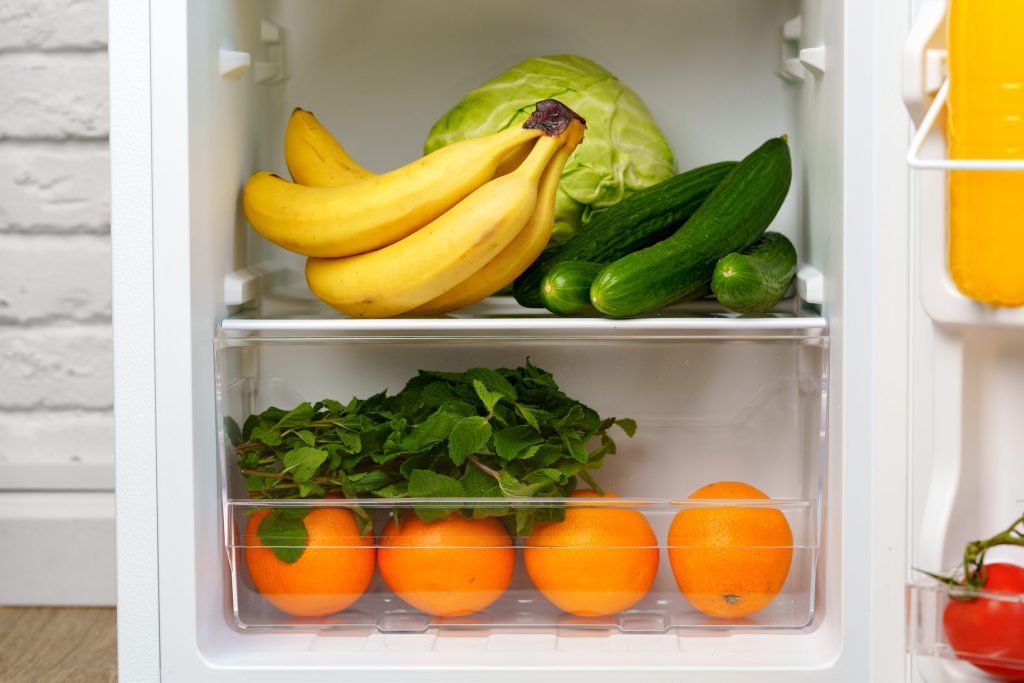
Side-by-side · Bottom-freezer · French-door · Integrated · Undercounter Built-in refrigeration
The largest part of this brand's catalog and the appliance most likely to be built into the joinery rather than standing in a gap. Side-by-sides, French-door and bottom-freezer columns, fully integrated units behind cabinet panels, and the undercounter refrigerators and drawers that run down an island.
- A fridge cooling while the freezer does not
- Water at the dispenser stopping
- Ice on the back wall, or water under the drawer
-
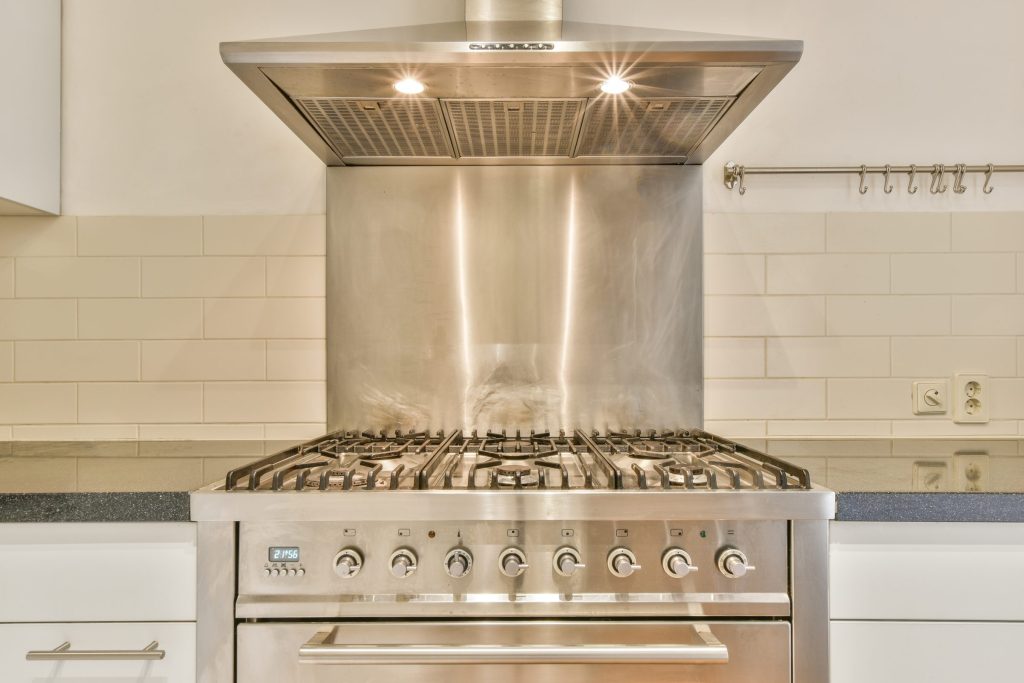
Open burner · Sealed burner · Dual fuel · Electric · Induction · 24" to 66" Ranges
The appliance this brand is named for, and the one place it does something nobody else does: an open burner that comes apart in your hands. Gas, dual fuel, all-electric and induction are all sold under the same badge, and a range that will not light and a range that will not heat are two completely different visits.
- A burner that sparks and never catches
- An oven that will not reach or hold temperature
- A door still locked hours after a self-clean
-
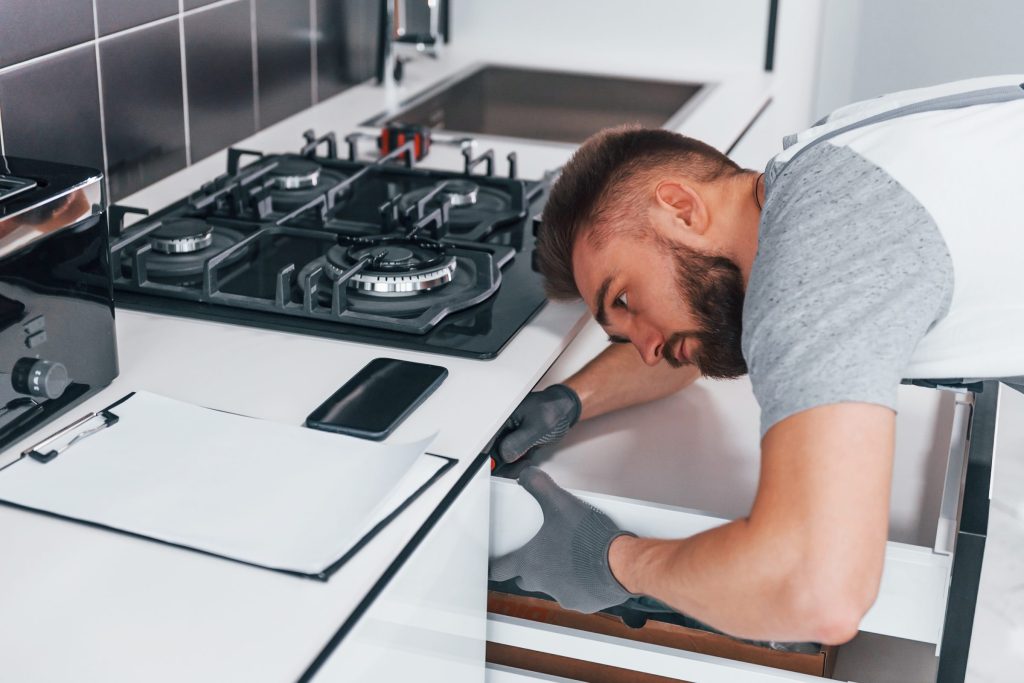
from $145 Appliance maintenance
One visit that covers the intervals this climate shortens: condensers, filters, descaling, burner ports and the drain paths. It is the visit that keeps the other twenty-six away.
- Condensers cleaned on every cold appliance in the kitchen
- Descaling on anything with a water side
- Burner ports and grill hardware checked before the season
-
from $95 Diagnostic visit cost
What one visit costs, and why it comes off the bill. This is the company rate rather than anything to do with the badge, and it is the same across every appliance in the kitchen.
- National service call range: $59–$129
- Credited against the repair when you go ahead
- One visit covers a second appliance in the same kitchen
Questions people ask about this
Is a Viking built better than a mainstream brand?
The chassis and the burners are heavier and more serviceable, and that genuinely matters over twenty years — parts can be replaced rather than the appliance. The electronics are the same class of thing everybody uses, and they age the same way.
My range is 22 years old. Should I replace it?
Not on age alone. An open-burner range that age is usually worth keeping because almost everything on it is a part: burners, grates, valves, igniters. Where we do say replace is when a discontinued control board is the answer and the surface is no longer available.
Why do refrigerators last less than ranges?
Because a sealed system runs continuously and a range does not. A compressor in a Miami kitchen works twelve months a year against a condenser that is collecting salt and dust, which is a duty cycle no burner comes close to.
Does hard water shorten anything?
Three things: the steam oven's generator, the ice machine's plate or auger, and the dishwasher's heater. All three are on shortened intervals here compared with what the manuals assume.
What is the cheapest thing I can do?
Clean the condenser coils on every cold appliance in the kitchen, four times a year. It is the manufacturer's own instruction, it costs nothing, and it is the difference between a fan repair and a sealed system repair.
Common Problems
More guides like this one
-
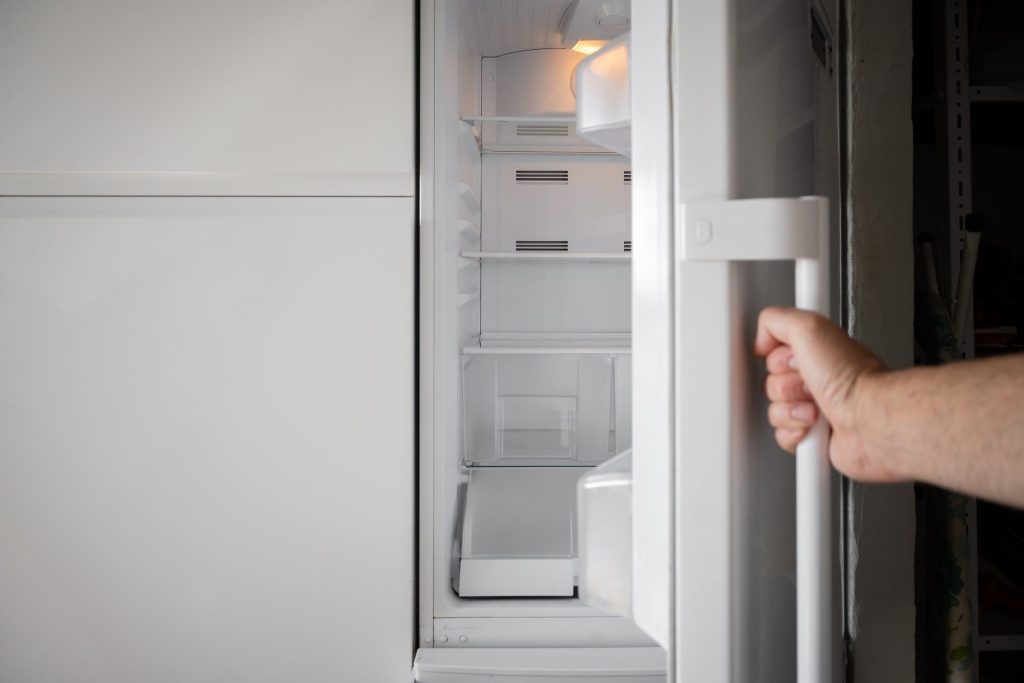
Adjusting Viking Refrigerator Doors: Why a Column Pair Has to Agree With Itself First
A door that looks perfectly closed can sit millimeters off its seal all day. On a paneled column there are three things that move — the hinge, the panel and the cabinetry — and only two of them are yours.
Read more -
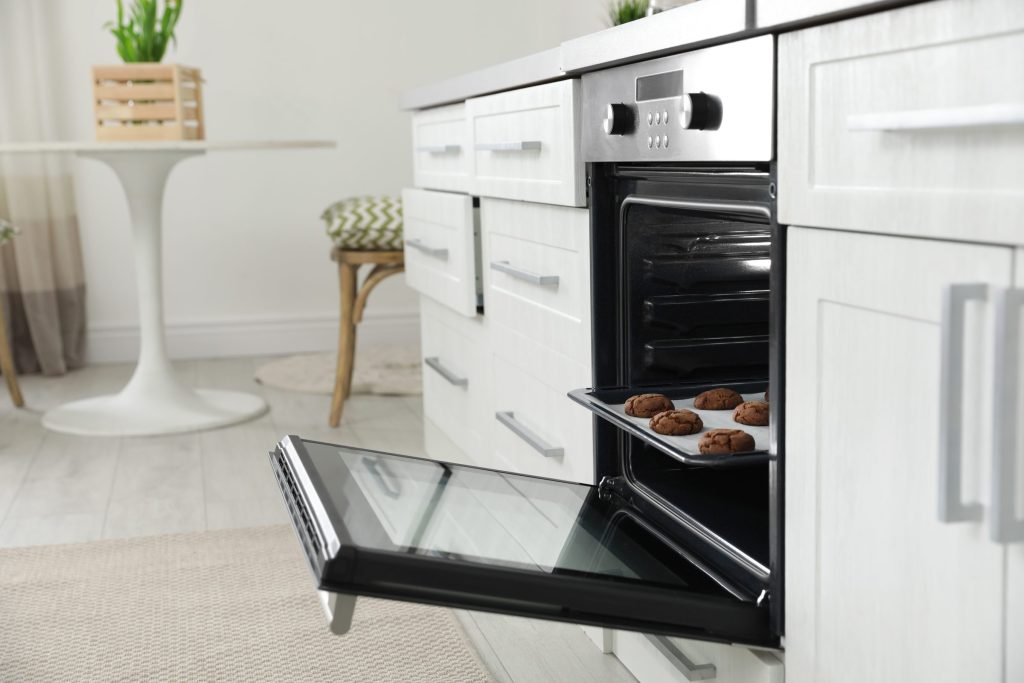
Why a Viking Oven Takes So Long to Preheat — and When That Is Normal
A professional cavity genuinely takes longer than the oven it replaced, and the preheat signal does not mean what most people think. Then the three cases where slow preheating is a real symptom.
Read more -
Where Viking Hides the Model Number, Appliance by Appliance
Nothing else works without it. On this make it matters more than most — the same E-number means different things on two cabinets, and a dishwasher's date code decides which of two tables applies.
Read more
Tell us the model number and what it is doing.
This article is based on:
- Official manufacturer documentation
- Internal repair procedures
- Technician repair history
- Company quality standards
 English