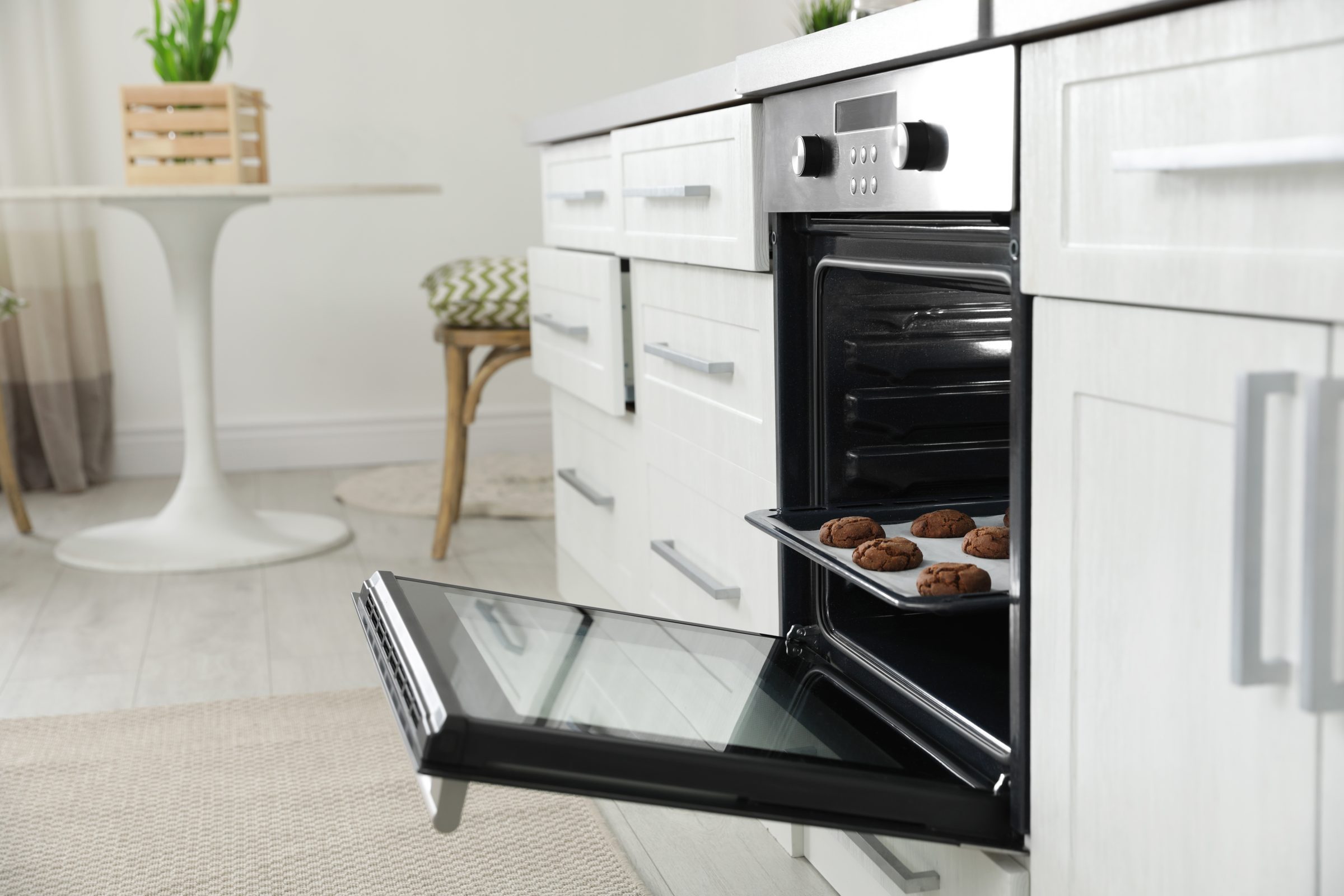
Common Problems
Why a Viking Oven Takes So Long to Preheat — and When That Is Normal
How long does Viking oven take to preheat? Twelve to eighteen minutes to 350°F is normal for a Viking professional cavity, and longer for a higher temperature or a double oven heating both. The signal marks the air reaching temperature, not the steel around it, so five to ten minutes more before you load it genuinely improves results. It is a symptom when preheating has become slower than it used to be, when the oven plateaus below the number, or when only one cavity is slow.
The full guide
How long does Viking oven take to preheat, normally
Twelve to eighteen minutes to 350°F on a professional cavity, from cold, in a normally warm kitchen. Higher temperatures take longer, and a double oven heating both cavities at once takes longer still.
If the oven this replaced was a standard 30-inch appliance, this one is heating a great deal more air and much heavier steel. That is not a defect. It is the other side of the thing you bought it for.
What the preheat signal actually means
The oven tells you when the air has reached the temperature you set. The cavity walls, the door glass and the racks — which do a good share of the actual cooking, by radiating heat — are still behind it.
That is why the first tray often browns unevenly, and why five to ten minutes past the signal for anything baked is worth the wait. It costs nothing and it changes the result.
A stone or a heavy pan changes everything. Anything with mass in the cavity has to reach temperature too, and a baking stone can take half an hour past the signal. That is the stone, not the oven.
The three cases where it is a symptom
It has got slower. An oven that took fifteen minutes last year and takes twenty-five now is telling you something. Usually an element working at reduced output, or a door that has stopped sealing along one edge.
It plateaus below the number. It climbs, slows, and settles somewhere under the setting without ever getting there. That is a heating problem rather than a patience problem.
Only one cavity is slow. On a double oven, useful information: the cavities share a control and a supply and nothing else.
The test that settles it
An oven thermometer on the middle shelf, set 350°F, read twenty minutes after the signal. If it is at temperature, the oven is fine and the estimate in the manual was conservative. If it is well under, that is a measurable symptom rather than an impression, and it is worth a call.
In an un-airconditioned kitchen in August the oven starts warmer and preheats faster. In a well-cooled condo in January it starts colder and preheats slower. A five-minute seasonal difference is real and it is not the appliance.
Why a professional cavity is slower by design
This is the answer more often than any repair:
- More air and much heavier steel. A professional cavity is a bigger volume in heavier metal than the oven it replaced, and both have to come up to temperature. It is the same property that makes the cavity barely flinch when a cold roasting pan goes in.
- The signal is about the air. The walls, the door glass and the racks — which do a good share of the cooking by radiating heat — are still behind it. Five to ten minutes past the beep is worth the wait for anything baked, and costs nothing.
- A stone or a heavy pan changes everything. Anything with mass has to reach temperature too, and a baking stone can take half an hour past the signal. That is the stone, not the oven.
- Two cavities on one supply do not preheat at the same rate as one.
When it is genuinely a symptom, and what says so
Three patterns, and the display usually confirms them:
- It has got slower than it used to be. Not slower than your last oven — slower than this one was last year. An element at reduced output, or convection no longer circulating.
- It plateaus below the setting. Frequently RTD ERROR, which is the sensor the cavity cooks by.
- Only one cavity is slow. Useful news on a double oven: separate elements and sensors, so the repair is contained.
What a slow preheat costs to put right
Usually less than people expect, because the two common causes are inexpensive. A door seal is a part and a short visit. An element working at reduced output is measured rather than guessed and is one of the cheaper repairs on the appliance. The board almost never comes into it.
If it turns out to be a repair
What this leads to, and what it costs
Every job on this site is priced the same way: an on-site diagnostic first, the figure agreed in writing before anybody starts.
-
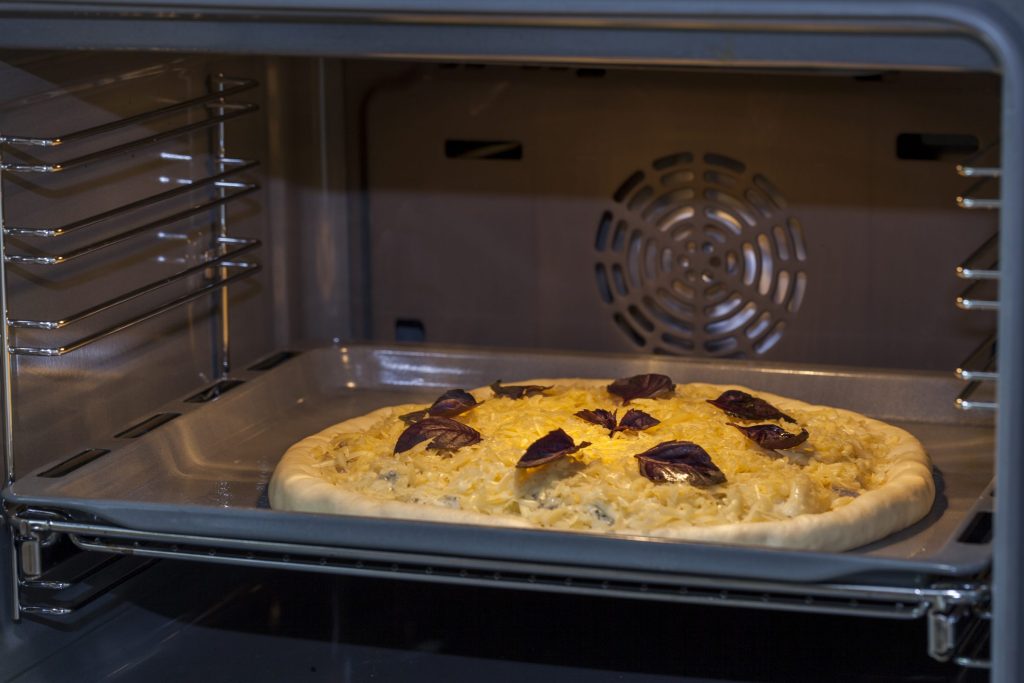
The display often names the part Oven not heating
An oven that sets a temperature and stays cold, or heats on one mode and not another. On this make the message is usually in words rather than in numbers, and RTD ERROR names the sensor outright.
- Sets a temperature and stays cold
- Broils but will not bake
- A message in words on the display
-
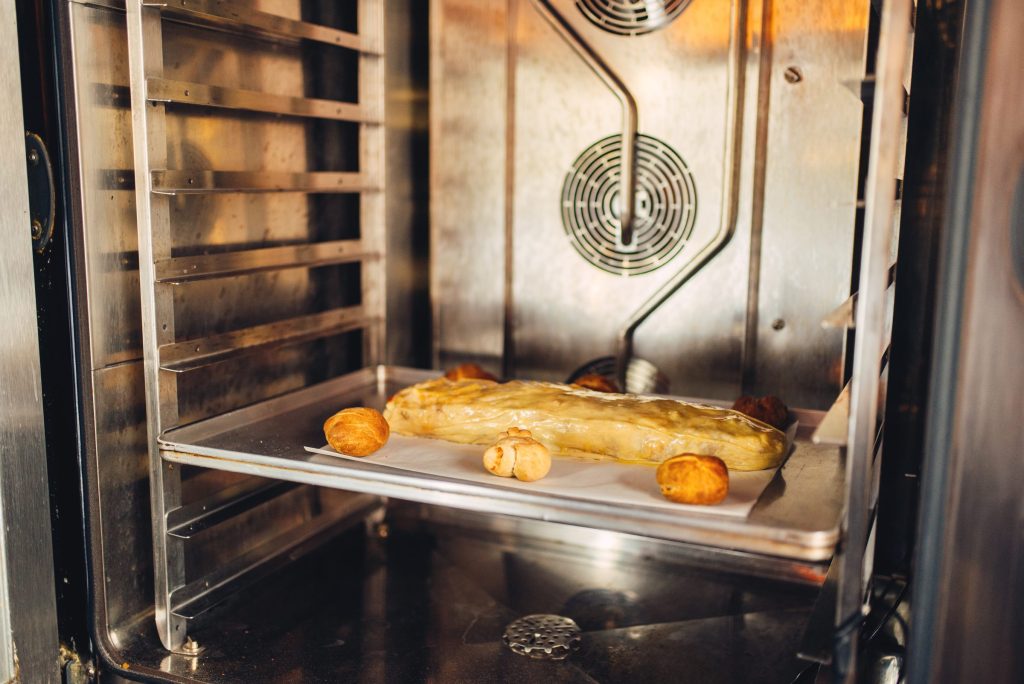
Obedient, and aiming at the wrong number Oven temperature wrong or uneven
An oven that heats perfectly to a temperature that is not the one you set, or browns on one side and undercooks on the other. Almost always a measurement problem rather than a heating one.
- Everything browning too fast or too slowly
- One side or one shelf consistently darker
- Baking that changed without anything else changing
-
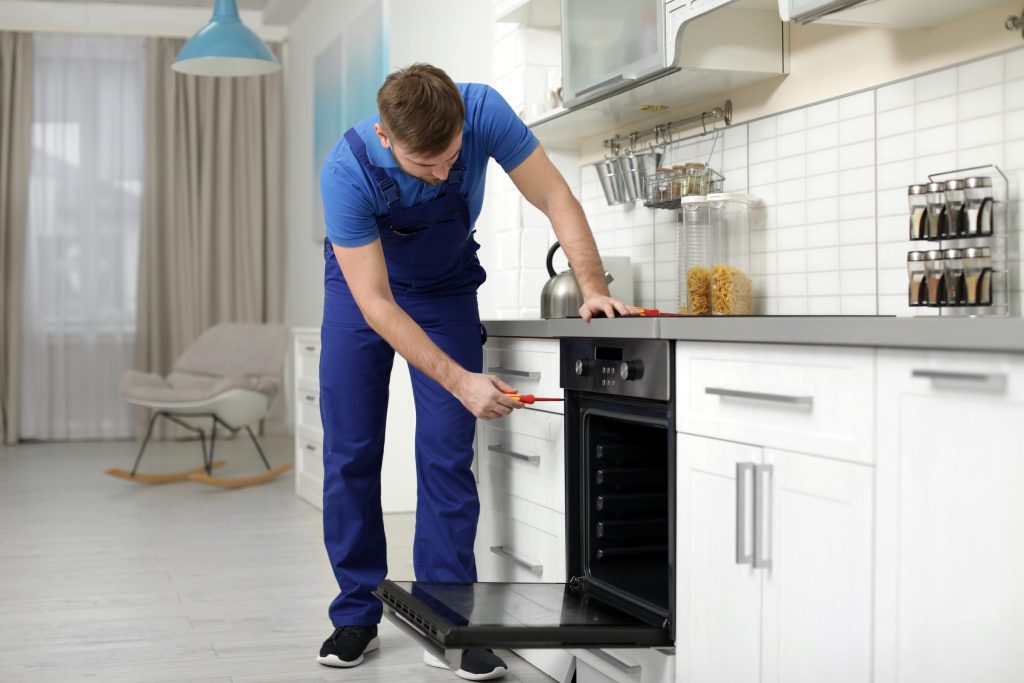
from $195 Oven element & sensor repair
An oven that sets a temperature and stays cold, or heats faithfully to the wrong number. On this make the display frequently names the part outright — RTD ERROR is the sensor, in words.
- Bake, broil and convection tested separately
- Sensor resistance measured, not estimated
- The cavity named on a double oven
-
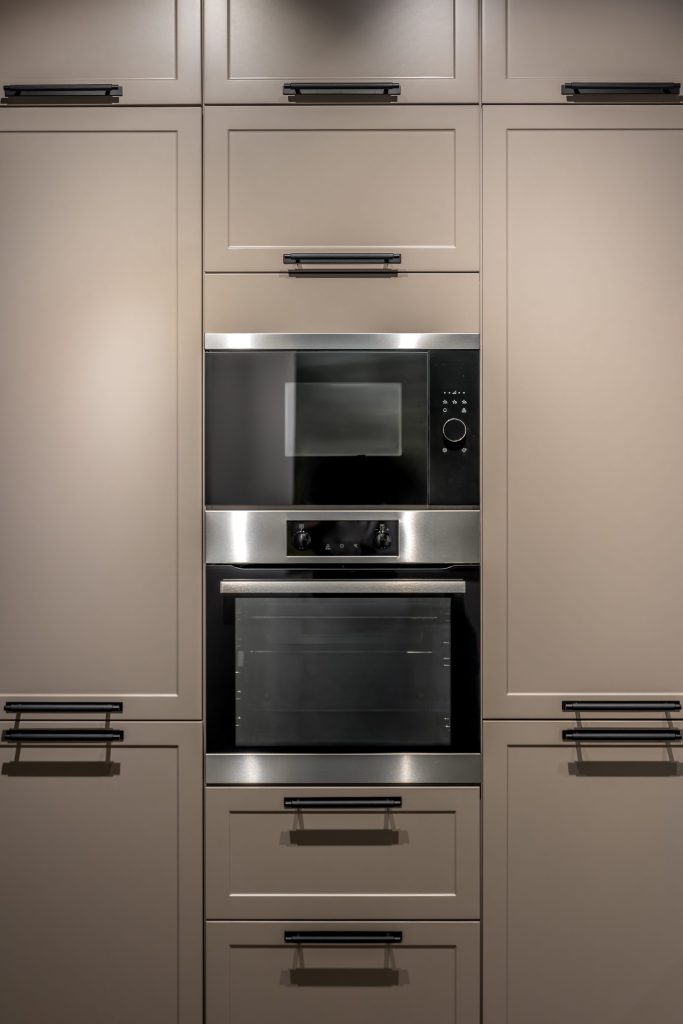
Single · Double · French-door · RVL steam · Warming drawer Wall ovens & warming drawers
Built-in ovens in every configuration this brand has sold — single, double, French-door, and the RVL steam oven that stacks with them — plus the warming drawer underneath, which is repaired here even though it has no card of its own. On a double oven the first question is always which of the two cavities.
- One cavity of a double not heating
- Temperature that is wrong rather than absent
- A warming drawer that stays cold
Questions people ask about this
My old oven was faster. Is this one broken?
Probably not. A professional cavity holds far more air and much heavier steel than a standard 30-inch oven, and heating all of it takes longer. It also barely notices when a cold roasting tray goes in, which is the trade being made.
Does convection preheat faster?
Usually yes, because the fan moves heat into the cavity rather than waiting for it to migrate. Whether it is the right mode for what you are cooking is a separate question.
Should I wait after the signal?
For anything baked, yes — five to ten minutes. The walls, the door glass and the racks do a good share of the cooking by radiating heat, and they are still catching up when the beep sounds.
How do I know if it is genuinely slow?
An oven thermometer in the middle, set 350°F, read twenty minutes past the signal. At temperature, the oven is fine and the estimate is conservative. Well under, that is a symptom.
Only one cavity of my double oven is slow.
That narrows it considerably. The cavities have their own elements and sensors even though they share a control, so a slow one is normally a contained repair.
Common Problems
More guides like this one
-
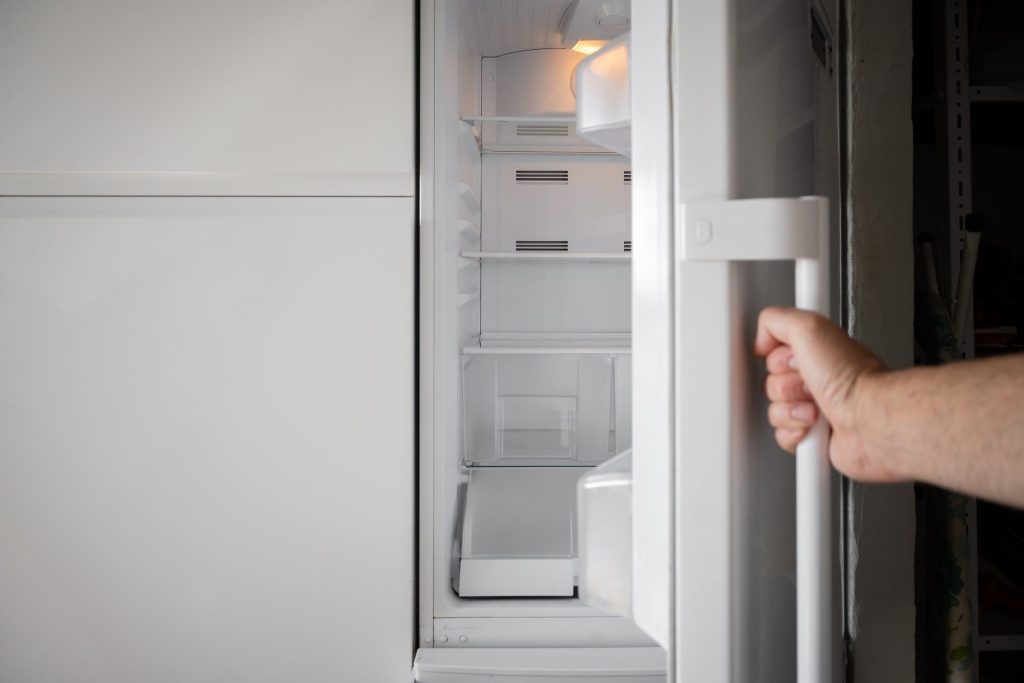
Adjusting Viking Refrigerator Doors: Why a Column Pair Has to Agree With Itself First
A door that looks perfectly closed can sit millimeters off its seal all day. On a paneled column there are three things that move — the hinge, the panel and the cabinetry — and only two of them are yours.
Read more -
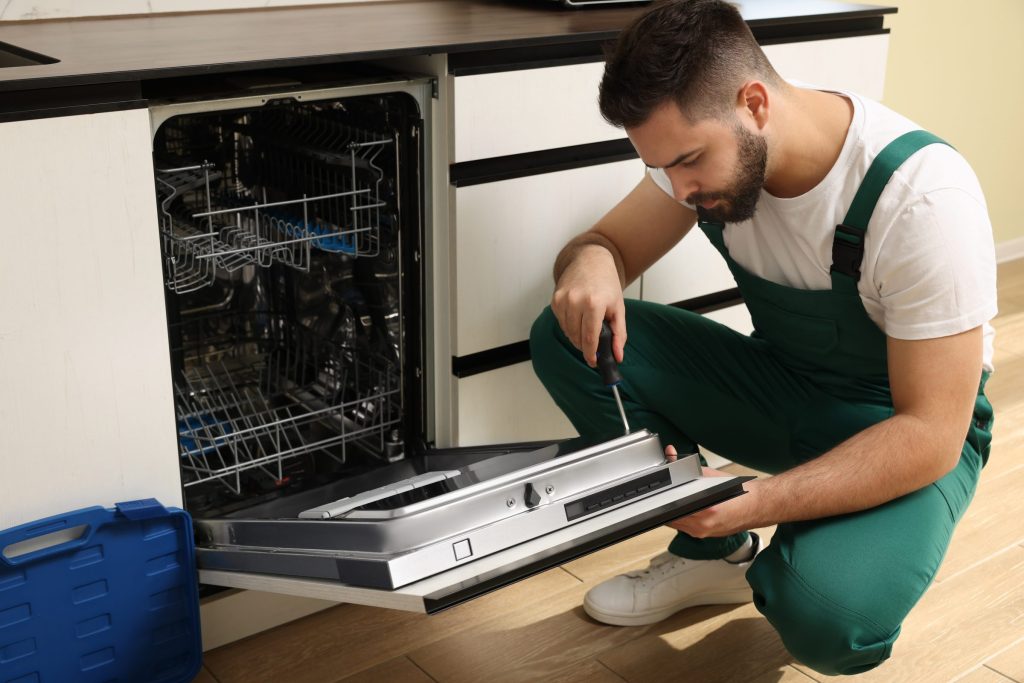
Where Viking Hides the Model Number, Appliance by Appliance
Nothing else works without it. On this make it matters more than most — the same E-number means different things on two cabinets, and a dishwasher's date code decides which of two tables applies.
Read more -
How Long Viking Appliances Actually Last — by Appliance, Not by Brand
The honest answer is per appliance and per part, not per badge. A sealed system, an igniter and a touch panel have completely different lives — and in this climate the condenser decides more than the brand does.
Read more
Tell us the model number and what it is doing.
This article is based on:
- Official manufacturer documentation
- Internal repair procedures
- Technician repair history
- Company quality standards
 English