Maintenance & Prevention
Cleaning Viking Refrigerator Coils: The Quarterly Job That Prevents the Expensive One
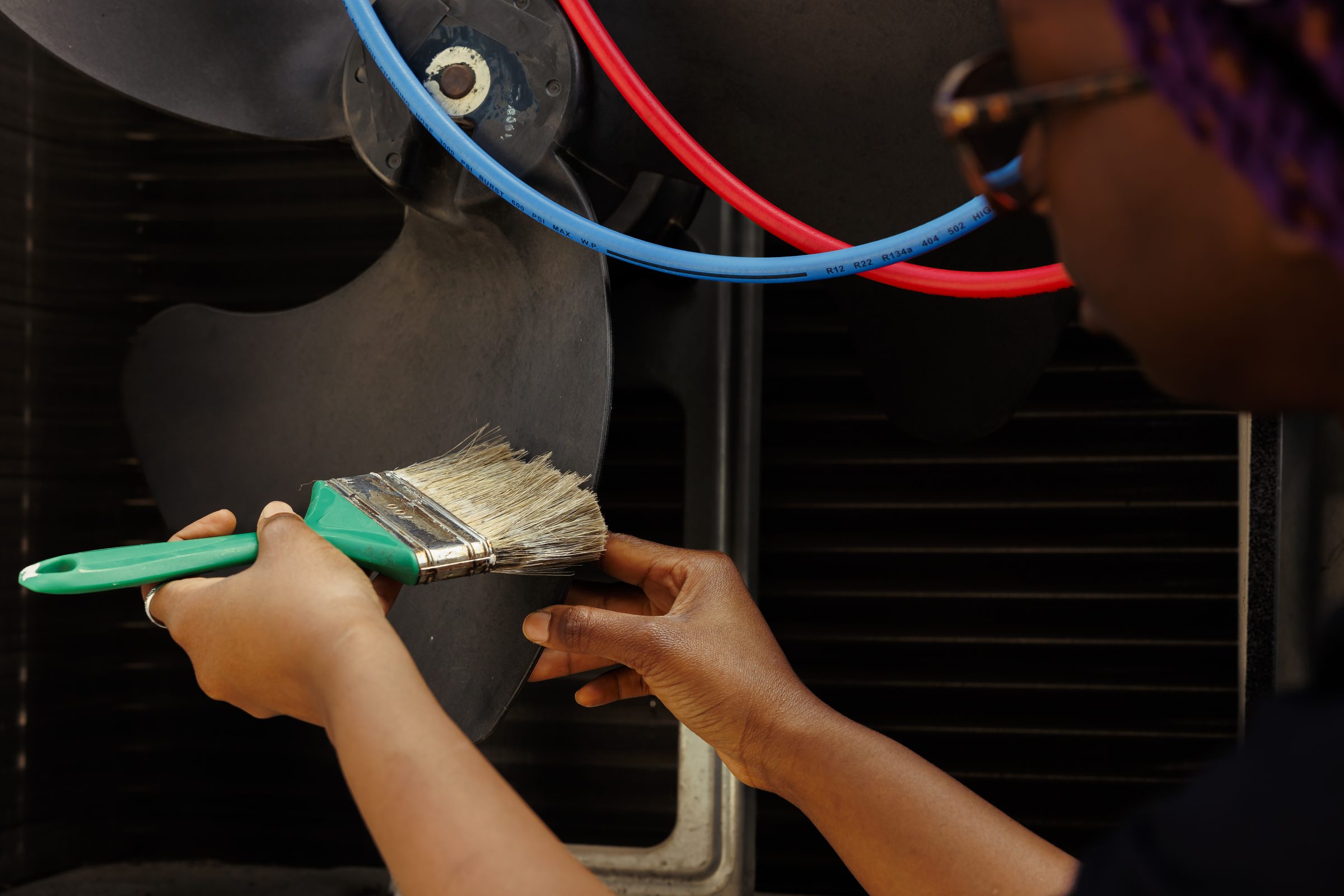
How to clean Viking refrigerator coils: switch the cabinet off at the breaker, remove the kickplate or the grille, and clean the condenser with a soft brush and a vacuum, working with the fins rather than across them. On a Viking column the coils are behind the top or bottom grille; on undercounter refrigeration, wine cellars and ice machines they are behind the kickplate. The manufacturer asks for this every three months, and in South Florida that interval is genuine — salt, dust and high ambient temperatures coat a coil faster here than the figure assumes.
The full guide
How to clean Viking refrigerator coils, the cheapest job on this appliance
A condenser is a heat exchanger. Everything the refrigeration removes from inside the cabinet has to leave through it, and it can only do that if air moves through the fins.
Coat it and nothing dramatic happens. The compressor simply runs longer, and hotter, for a slightly worse result, every cycle, for years — until one day it does not. That is the mechanism behind most refrigeration that dies early here, and there is nothing clever about preventing it.
Where it is on each cabinet
| Cabinet | Where the coil is |
|---|---|
| Built-in or integrated column | Behind the grille, top or bottom depending on generation |
| Undercounter refrigerator or drawers | Behind the kickplate |
| Wine cellar | Behind the kickplate |
| Ice machine | Behind the kickplate |
| Freestanding French door | At the back, or behind a bottom grille |
Do it with the fins, not across them
The one way to make this worse is a stiff brush worked across the fins. They bend, they stay bent, and a crushed section of coil passes less air than the dust you just removed. Soft brush, in the direction the fins run, every time.
Why the interval is real here
The manuals were written for an average kitchen in an average climate. This is neither. Salt in the air, ambient temperatures that rarely drop to what the interval assumed, and — in a great many kitchens on this coast — an island run of cabinets all shedding heat into the same enclosed cabinetry with a shared, restricted air path.
Three months is the figure. In a house with pets, closer to two.
While you have the panel off
Look at the fan blade. Lint wound around the hub is common, it is free to remove, and a fouled condenser fan is both the noisiest thing on the appliance and one of the cheapest to catch before it becomes a part.
Check the drain on an ice machine while you are in there too. It is required equipment on every one of them, and it is where a large share of ice machine calls end.
The appliance asks for this one by name
Most maintenance goes unmentioned by the machine. Not this: Viking's refrigeration publishes a message for it, twice over in different words depending on the generation — CL, meaning clean the condenser on the columns, and Check condenser on the integrated equipment.
Two things follow from that:
- The reminder is a schedule, not a symptom. It arrives before anything is wrong, which is the entire point, and clearing it without doing the job is how a household ends up with a compressor conversation five years early.
- If you have never seen it, look anyway. On the older undercounter equipment there is no reminder at all — the first message you get is a high temperature alarm, and by then the cabinet has already been warm.
What a blocked condenser actually does, in order
- The compressor runs longer for the same result. Nothing is visibly wrong and the electricity bill moves first.
- It stops resting. A compressor that never cycles off is a compressor working at its limit for years rather than hours.
- The cabinet drifts warm, which is when the high temperature alarm appears and people call.
- The compressor fails, which is the most expensive repair in refrigeration and the one this twenty-minute job exists to postpone.
In a South Florida kitchen the grille collects faster than the manual assumes — pets, cooking and humidity together — so twice a year is the honest interval here rather than the annual one printed for a drier climate.
What it prevents
A condenser clean is twenty minutes. A condenser fan is a contained repair. A compressor is the largest figure on this site. Those three are the same story at three different points, and the first one is free.
If it turns out to be a repair
What this leads to, and what it costs
Every job on this site is priced the same way: an on-site diagnostic first, the figure agreed in writing before anybody starts.
-
from $145 Appliance maintenance
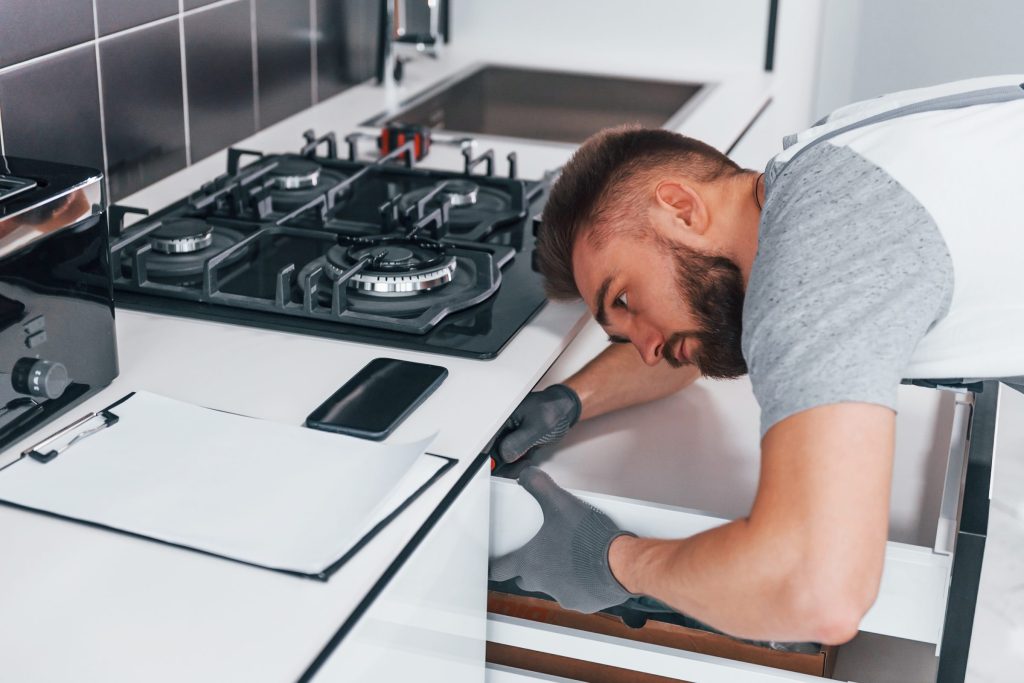
One visit that covers the intervals this climate shortens: condensers, filters, descaling, burner ports and the drain paths. It is the visit that keeps the other twenty-six away.
- Condensers cleaned on every cold appliance in the kitchen
- Descaling on anything with a water side
- Burner ports and grill hardware checked before the season
-
Start at the condenser, not the compressor Refrigerator not cooling
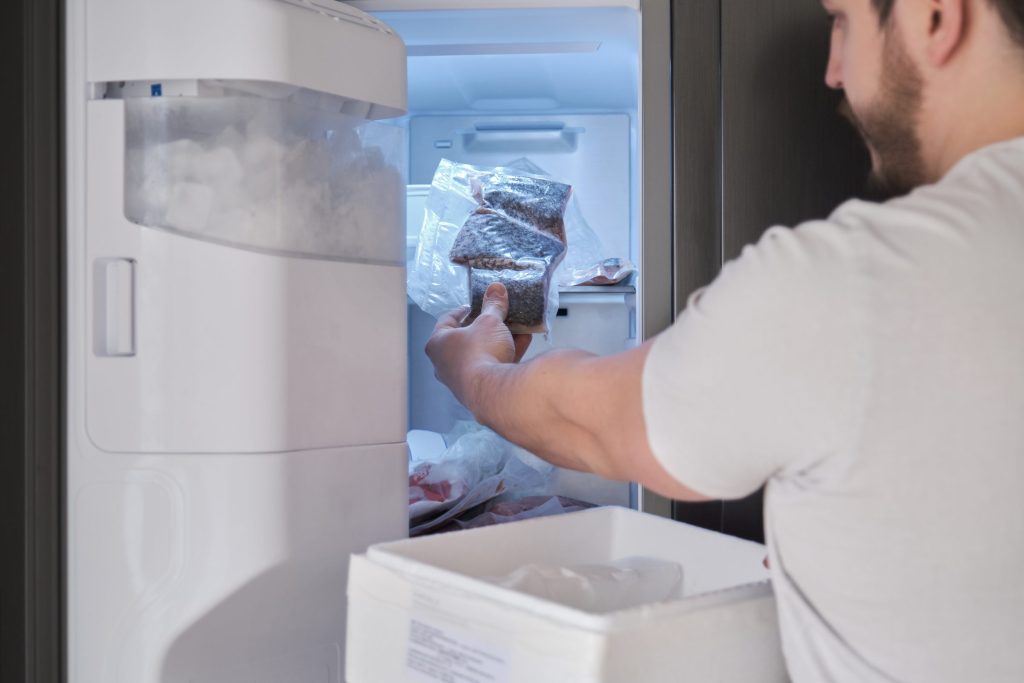
A cabinet that is running and not getting cold, or getting cold and not staying there. Most of these are not the sealed system, and in this city the first thing to look at is the condenser.
- Running constantly and still warm
- Cold at first and warming through the day
- A high temperature alarm or an E-code on the display
-

Which noise, and when Refrigerator making a new noise
Buzzing, clicking, rattling or a hum that has changed. Some of it is normal and some of it is a fan telling you it is on its way, and the difference is usually in when the noise happens.
- A rattle or buzz that comes and goes
- A hum that is louder than it used to be
- Clicking every few minutes
-

Side-by-side · Bottom-freezer · French-door · Integrated · Undercounter Built-in refrigeration
The largest part of this brand's catalog and the appliance most likely to be built into the joinery rather than standing in a gap. Side-by-sides, French-door and bottom-freezer columns, fully integrated units behind cabinet panels, and the undercounter refrigerators and drawers that run down an island.
- A fridge cooling while the freezer does not
- Water at the dispenser stopping
- Ice on the back wall, or water under the drawer

Questions people ask about this
Is quarterly really necessary, or is that an upsell?
It is the manufacturer's own instruction, and in this climate it is the least conservative advice on the appliance. Salt, dust and a warm room coat a coil here faster than in the market the interval was written for.
What happens if I never do it?
A coated coil cannot shed heat, so the compressor runs longer and hotter for a worse result — for years. It is the quiet mechanism behind most refrigeration that dies early in this area.
Can I use a vacuum alone?
It gets the loose material. What sticks needs a brush, and a proper condenser brush is a few dollars and reaches where a vacuum nozzle does not.
My cabinet is paneled and built in. Can I still do it?
Usually yes — the kickplate or grille comes off without touching the custom panel. Where the run of cabinetry makes that impossible, it becomes part of a maintenance visit.
How many condensers does my kitchen have?
One per cold appliance. A refrigerator column, a freezer column, a wine cellar, an ice machine and an undercounter refrigerator is five, and none of them has usually been touched.
Maintenance & Prevention
More guides like this one
-

Changing a Viking Water Filter — and What the Indicator Is Actually Counting
Two filters, not one, and neither indicator measures anything — both count time. In this water that matters, and so does the reset.
Read more -
Viking Oven Door Locked After Self-Cleaning: Why It Happens and What Not to Do
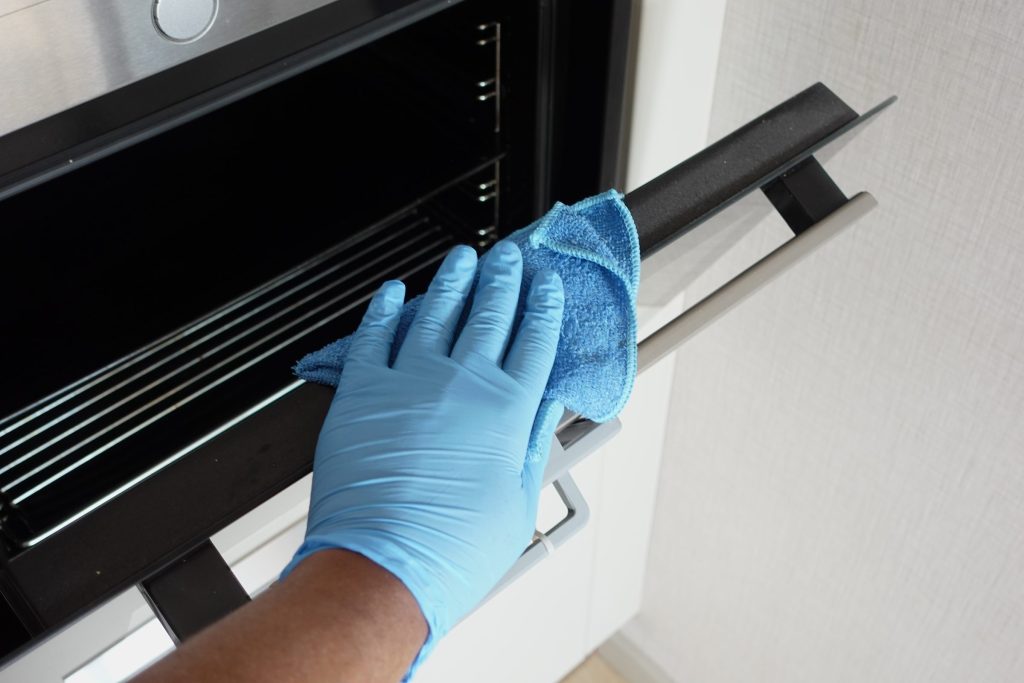
How long the cycle should take, what interrupting it does, and the release sequence on the ranges that have one. Plus the one thing that turns a latch repair into a latch and a door.
Read more -
Cleaning Viking Grates, Burner Bowls and Heads Without Causing Your Next Repair
The open burner comes apart in your hand, which is the best thing about it and the reason for the most common repair on it. Everything goes back one way.
Read more
Tell us the model number and what it is doing.
This article is based on:
- Official manufacturer documentation
- Internal repair procedures
- Technician repair history
- Company quality standards
 English