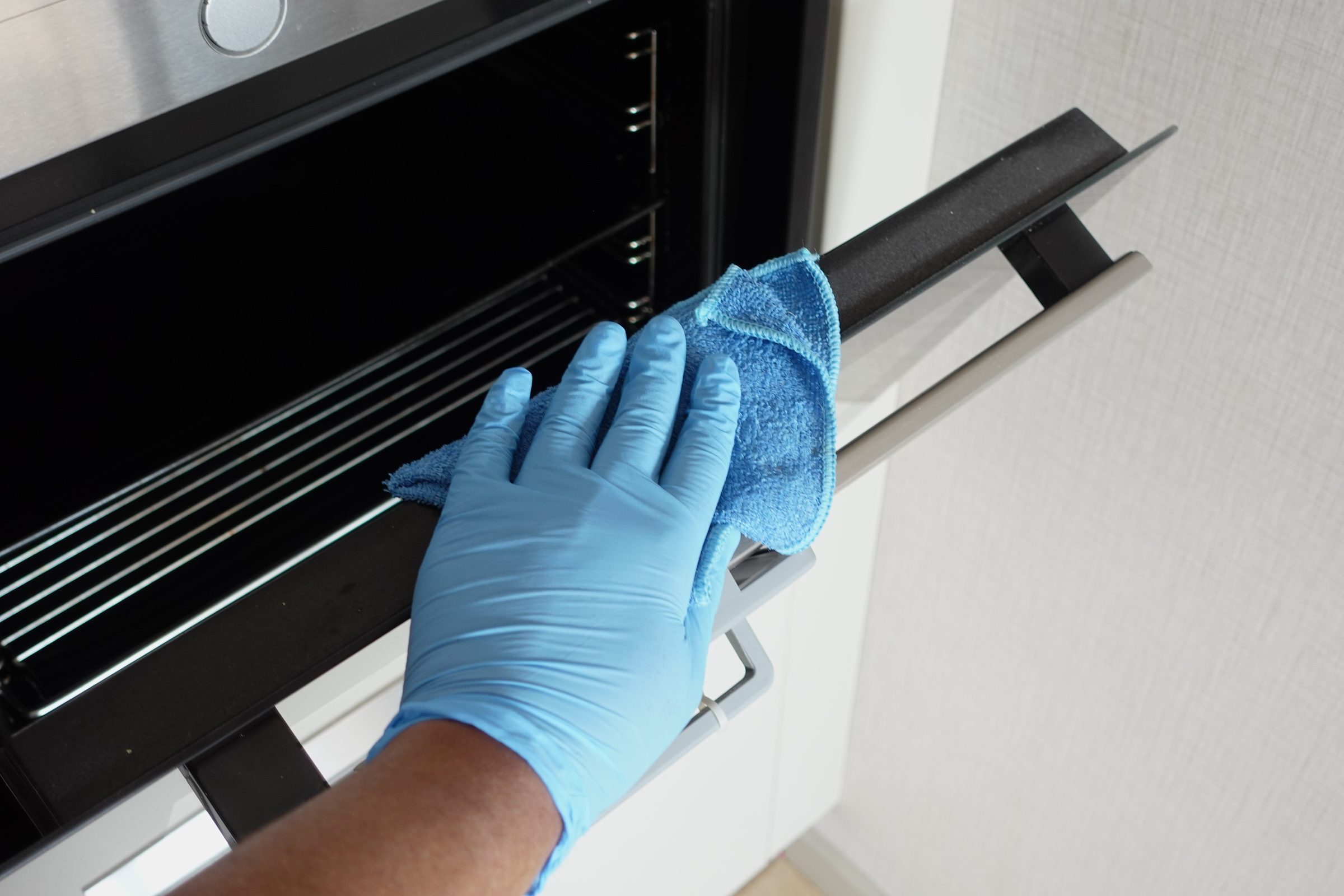
Maintenance & Prevention
Viking Oven Door Locked After Self-Cleaning: Why It Happens and What Not to Do
A Viking oven door locked after self cleaning usually releases itself once the cavity is genuinely cold, so let the oven cool completely — many doors release on their own once the cavity is genuinely cold — and cut the power at the breaker for five minutes. On ranges with backlit knobs, turning the selector and temperature knobs to SELF-CLEAN until the bezel pulses yellow and then back to OFF releases the latch. Do not force the door: the latch is motorized and the door front on this equipment marks easily, which turns a latch repair into a latch and a door. If it is still locked after cooling and a power cycle, the latch motor or its position switch is the repair.
The full guide
A Viking oven door locked after self cleaning: what the cycle does
Self-clean takes the cavity far past any cooking temperature and holds it there for hours, with the door locked for the whole time. That lock is a safety interlock and not an inconvenience — the glass and the handle would otherwise be dangerous to touch.
Two to four hours of cleaning, then a cool-down. The latch will not release until the cavity is back below a threshold, and on a heavy professional cavity that takes considerably longer than people expect.
What to try, in order
Wait until it is genuinely cold. Not warm. Cold. A number of these release on their own and the only cost is patience.
Cut power at the breaker for five minutes. A real interruption, not the panel key. A share of locked doors release once the control restarts and re-reads the latch.
On a range with backlit knobs, the manufacturer publishes a sequence: turn the selector and temperature knobs to SELF-CLEAN until the bezel pulses yellow, then turn both to OFF. When the solid yellow disappears, the door is unlocked.
Do not force it. The latch is motorized and the door front on this equipment is not forgiving of a screwdriver. Forcing a door turns a latch repair into a latch and a door, and the second half of that is considerably more expensive than the first.
Why it happens after a clean cycle and not otherwise
Because everything in the oven is tested at once, at its limit, for hours. The marginal element, the tired sensor, the aging thermal cutout and the stiff latch are all pushed together, and whichever is weakest is the one you meet the next morning.
The single most useful piece of history is whether the cycle was interrupted — canceled in the first thirty seconds, or stopped by a power interruption part-way. That leaves the bolt between positions with nothing able to move it, and it is by far the most common story behind a locked door.
Which is worth knowing here specifically. Running a three-hour clean cycle on an afternoon in storm season is running it through the part of the day when the supply is least reliable, and an interrupted cycle is exactly what a brownout produces.
What the oven is watching while the cycle runs
The control watches the door hardware closely enough to report it separately: LATCH ERROR is the latch itself, and RTD ERROR is the sensor the cycle is timed by. A cycle that ended with either on the display ended for a reason.
That changes what you are waiting for:
- The latch releases on temperature, read by that sensor. If the sensor is the problem, the oven can be cool and still believe it is not.
- A cycle that stopped early leaves the cavity hot and the door locked, and the wait is longer than after one that completed.
- The lock is not a bolt you can slide. A motor and two switches, with no manual override worth attempting from outside.
Why the cycle finds problems rather than causing them
"The self-clean broke my oven" is nearly always the cycle being the first job demanding enough to expose something already marginal:
- An element at the end of its life fails under a load ordinary baking never asks for.
- A latch that was already slow becomes one that cannot complete its travel.
- A cooling fan that had quietly slowed leaves the electronics hotter than they have ever been.
Which is the argument for cleaning by hand and running the cycle rarely — not because the cycle is dangerous, but because it is an examination, and most kitchens would rather not sit it.
What is worth doing before the next one
- Run it when you are in the house, and not the day before you need the oven.
- Take the racks out unless the manual says they are clean-safe. Most are not, and they discolor.
- Do not cancel it in the first thirty seconds — that is the window where the door can end up locked with the latch part-way.
- On an oven over fifteen years old, consider a manual clean instead. Nothing about self-clean is dangerous; it is simply the hardest hour the appliance has, and old appliances have fewer of those left.
If it turns out to be a repair
What this leads to, and what it costs
Every job on this site is priced the same way: an on-site diagnostic first, the figure agreed in writing before anybody starts.
-
LATCH ERROR, in words Oven door locked shut
A door the control cannot unlock, usually after a self-clean. This make publishes it as LATCH ERROR in plain English, which is as clear as a diagnosis gets.
- Locked since a clean cycle
- LATCH ERROR on the display
- The latch audibly trying and not moving
-
The cycle that finds everything Oven dead after a self-clean
An oven that ran a clean cycle and has not worked since. It is one of the most predictable calls on this equipment, and it is not because anything was done wrong.
- Worked before the clean cycle, dead after it
- The door still locked
- A message that appeared during or after the cycle
-
from $215 Oven door latch repair
A door locked after a self-clean, or a latch the control cannot move. This make publishes it as LATCH ERROR, in words, which is as clear as a diagnosis gets.
- Door opened without damaging the front
- Latch motor and switch tested separately
- Self-clean proved before it is signed off
-
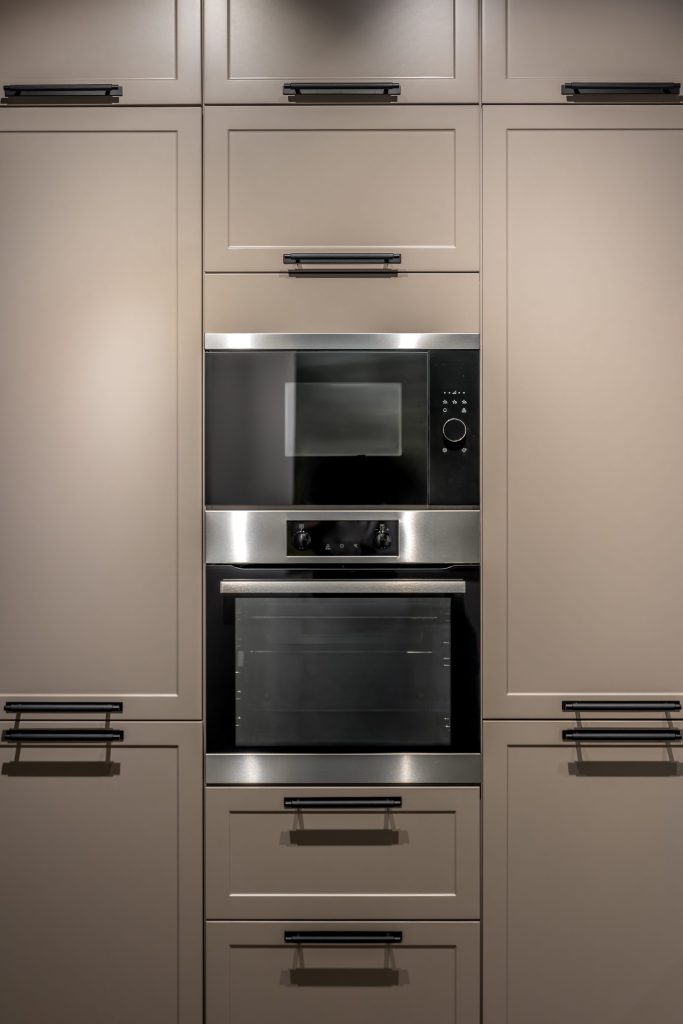
Single · Double · French-door · RVL steam · Warming drawer Wall ovens & warming drawers
Built-in ovens in every configuration this brand has sold — single, double, French-door, and the RVL steam oven that stacks with them — plus the warming drawer underneath, which is repaired here even though it has no card of its own. On a double oven the first question is always which of the two cavities.
- One cavity of a double not heating
- Temperature that is wrong rather than absent
- A warming drawer that stays cold
Questions people ask about this
How long should a self-clean take?
Two to four hours of cleaning depending on the setting, and then a cool-down before the latch will release. The whole thing is most of an afternoon, and the door stays locked for all of it by design.
It has been cold for a day and it is still locked.
Then it is the latch rather than the cycle. Cut power at the breaker for five minutes first — a share of these release once the control restarts — and if it does not, the motor or its position switch is the repair.
Did I break it by using self-clean?
No. You asked the appliance to do the hardest thing it is designed to do, and something marginal gave way during it. It would have gone anyway, later and less conveniently.
Should I stop using self-clean?
Not necessarily, but run it when you are in the house rather than overnight, and not the day before a dinner. On an oven over fifteen years old a manual clean is a reasonable choice.
There is food locked inside.
Say so when you book. In this climate that changes the priority, and it changes what comes on the van.
Maintenance & Prevention
More guides like this one
-
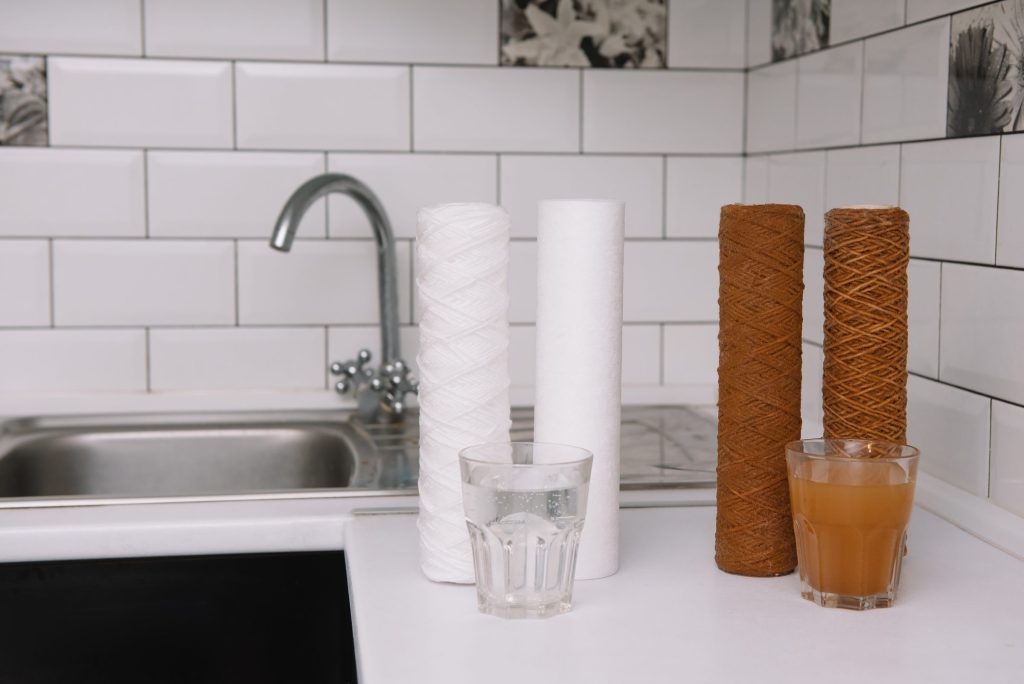
Changing a Viking Water Filter — and What the Indicator Is Actually Counting
Two filters, not one, and neither indicator measures anything — both count time. In this water that matters, and so does the reset.
Read more -
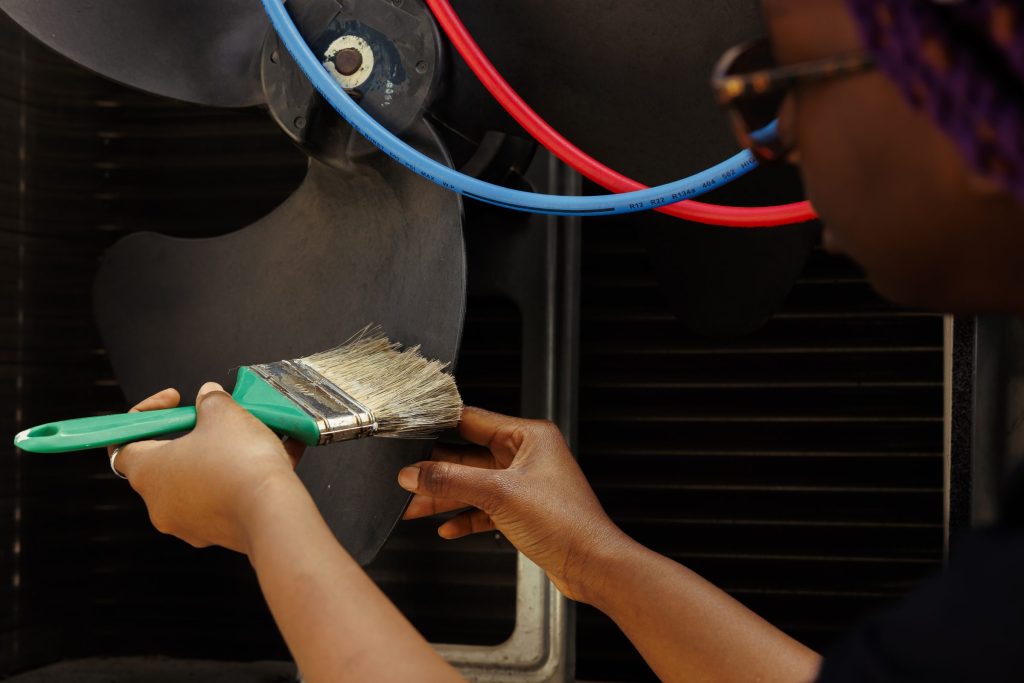
Cleaning Viking Refrigerator Coils: The Quarterly Job That Prevents the Expensive One
The manufacturer asks for it every three months. On this coast that interval is real rather than conservative — and on a full-line kitchen it is five condensers, not one.
Read more -
Cleaning Viking Grates, Burner Bowls and Heads Without Causing Your Next Repair
The open burner comes apart in your hand, which is the best thing about it and the reason for the most common repair on it. Everything goes back one way.
Read more
Tell us the model number and what it is doing.
This article is based on:
- Official manufacturer documentation
- Internal repair procedures
- Technician repair history
- Company quality standards
 English