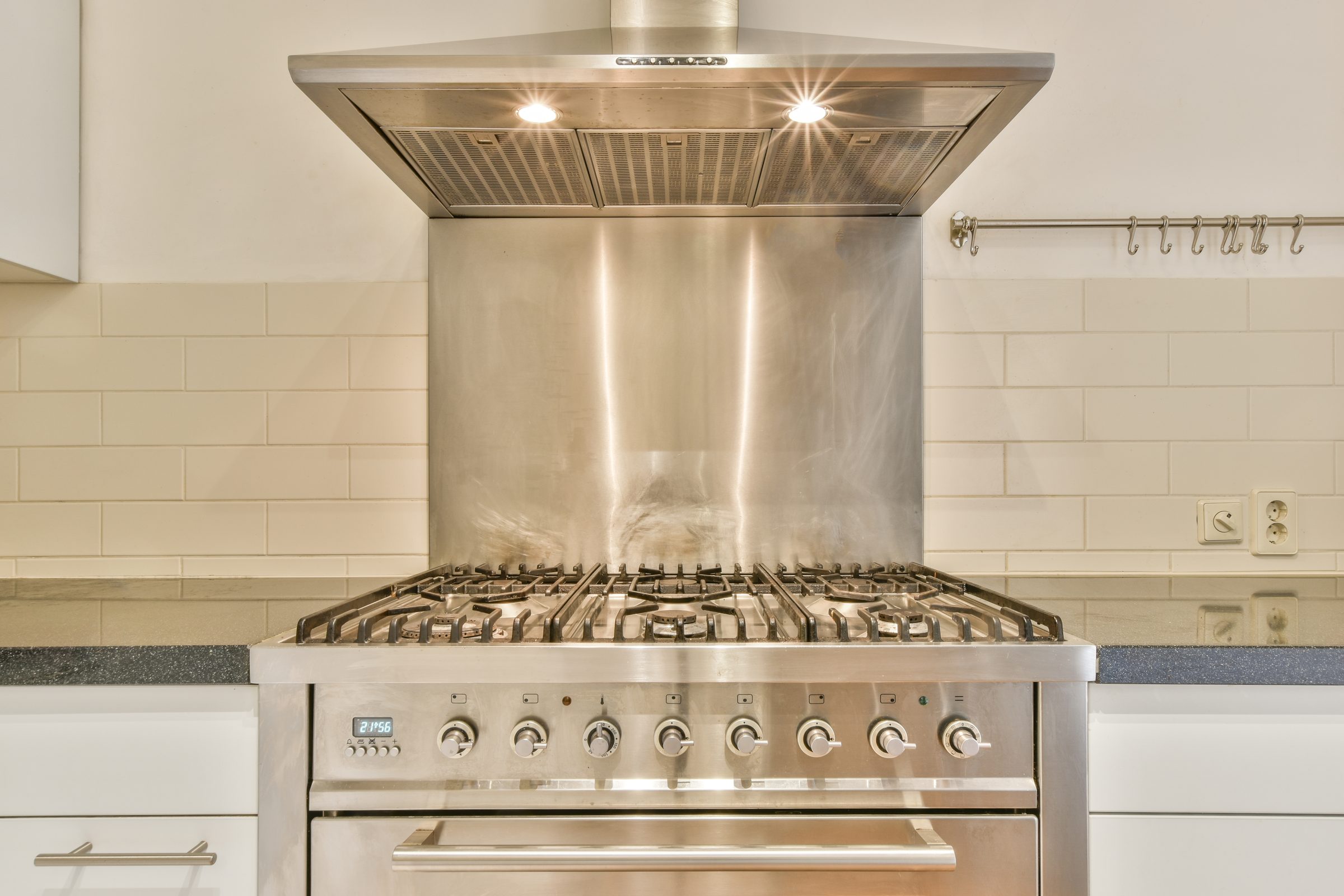
Appliance
Viking ranges
The appliance this brand is named for, and the one place it does something nobody else does: an open burner that comes apart in your hands. Gas, dual fuel, all-electric and induction are all sold under the same badge, and a range that will not light and a range that will not heat are two completely different visits.
- 5 symptoms we are called out to
- From $95 diagnostic, credited to the repair
- 59 cities and neighborhoods covered
- OEM parts available on order
The short version
What this equipment is, for a repair
Configurations
Open burner · Sealed burner · Dual fuel · Electric · Induction · 24" to 66"
Access
Planned before the visit, not discovered on arrival
Parts
OEM, available on order
Diagnostic
From $95, credited to the repair
What goes wrong with it
Symptoms we are called out to on Viking ranges
Each one covers the likely causes in the order they are worth checking, and what to do in five minutes before booking anything.
-
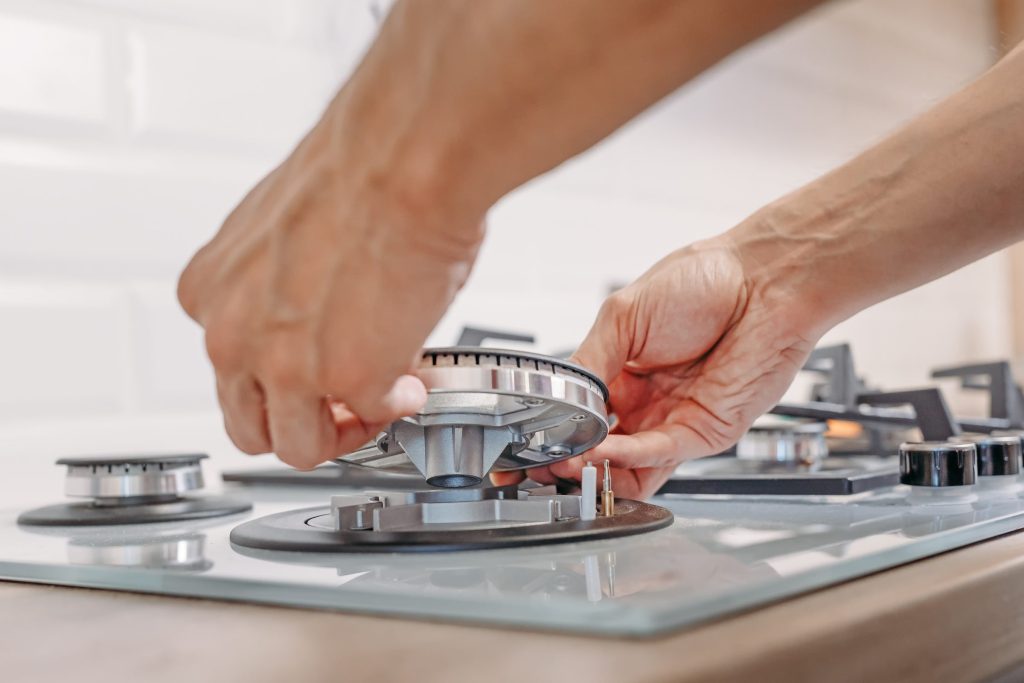
It clicks, and nothing happens Burner will not light
A burner that clicks and never catches, or catches and drops out a few seconds later. The appliance will tell you nothing about it — this maker publishes no code for gas — so the diagnosis is entirely in what the burner does.
- Clicks and clicks without lighting
- Lights and goes out after a few seconds
- One burner out while the rest are fine
-
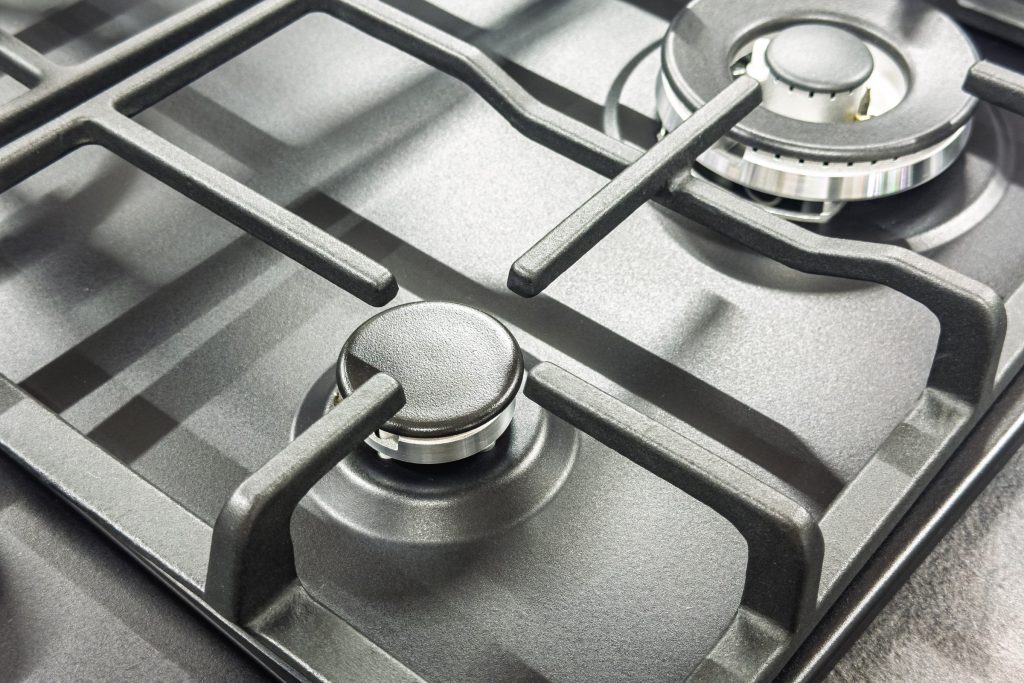
Lazy on one side of the ring Open burner flame uneven or yellow
A flame that is blue on one side and yellow and lazy on the other, or a ring that never quite makes a full circle. On an open burner this is visible, reachable and usually free to correct.
- Yellow or orange tips on one side
- Part of the ring not lighting at all
- Sooting on the bottom of the pan
-
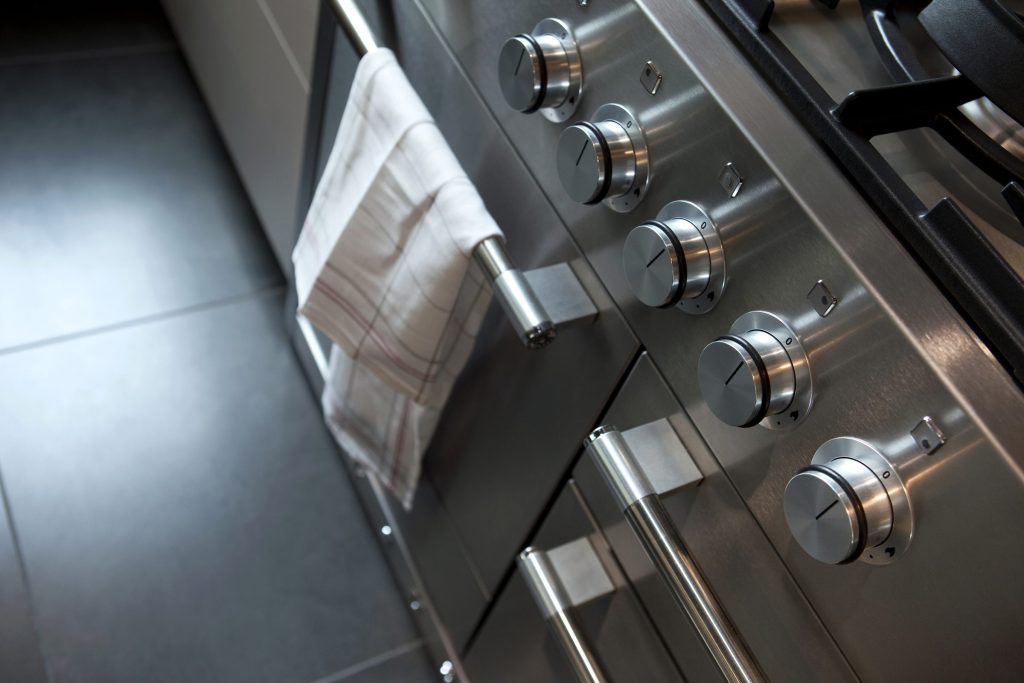
Low is not low, or low goes out Simmer will not hold
A burner that will not stay lit on its lowest setting, or a "low" that is still hot enough to boil. On professional equipment the simmer is a specification rather than an afterthought, and a burner that has lost it can be brought back.
- The flame goes out at the lowest setting
- Low is far hotter than it used to be
- It holds until a lid goes on, then drops out
-
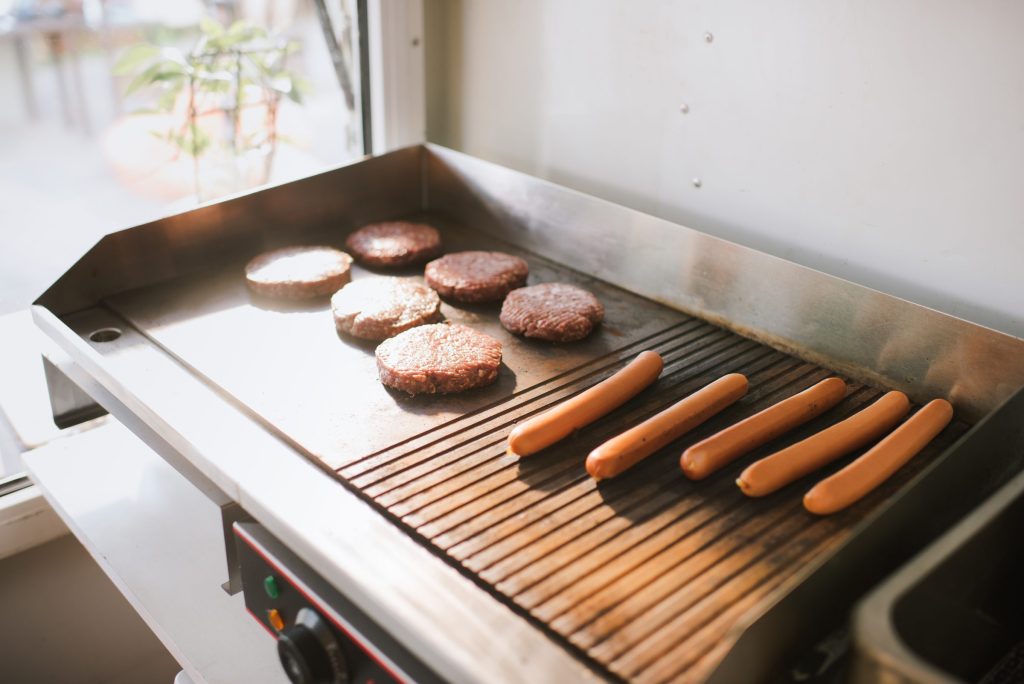
Cold in the middle of a wide range Griddle not heating
The griddle on a 48-inch range or rangetop, cold or heating only in patches. It is the least-used surface in the kitchen and the one most likely to have seized quietly since the last time it was asked.
- Cold everywhere
- Hot in the middle, cold at one end
- Takes far longer to come up than it used to
-
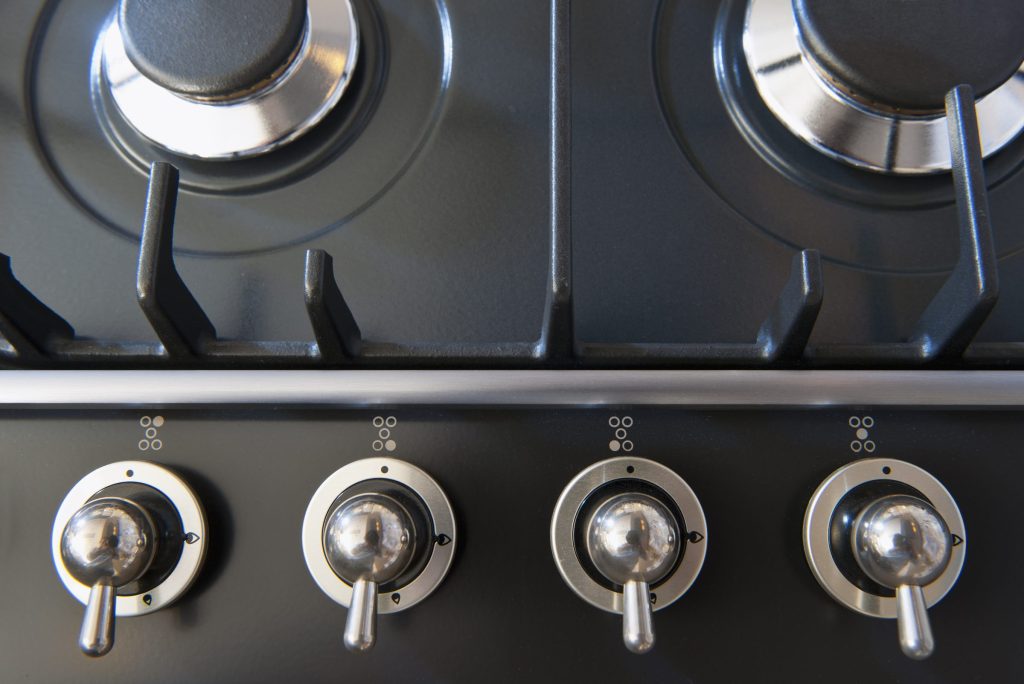
On the 7 Series, the knob is the display Knob lights turned red
On the current ranges the backlight behind the knobs goes red and a ring flashes a count. That is this appliance reporting an error — and the count is evidence that disappears the moment anything is switched off.
- The backlight has changed to red
- A knob ring flashing a repeating count
- Nothing on any display, because there is not one
What we do on it
Repairs we carry out on Viking ranges
Starting figures for this equipment in South Florida. The exact cost is confirmed after an on-site diagnostic — and this is not the whole list of what can go wrong, so call if your problem is not here.
-
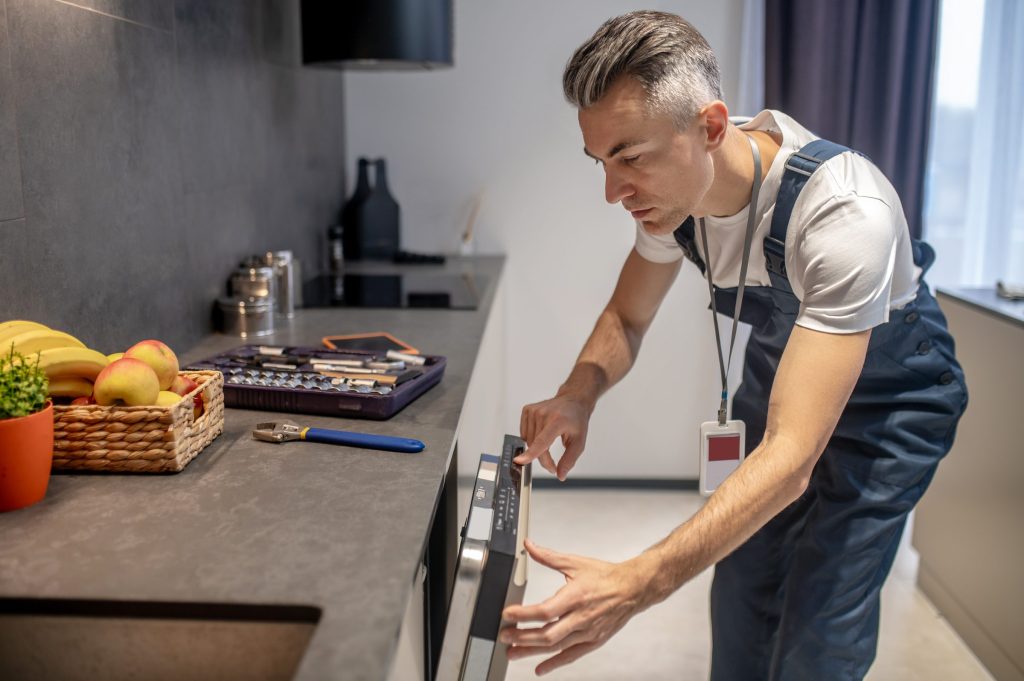
from $95 Diagnostic visit
One visit that ends with a named cause, a figure and a decision — and the fee comes off the bill if you go ahead with the work.
- Credited against the repair
- A written figure before anything is ordered
- Ten appliance types, one rate
-
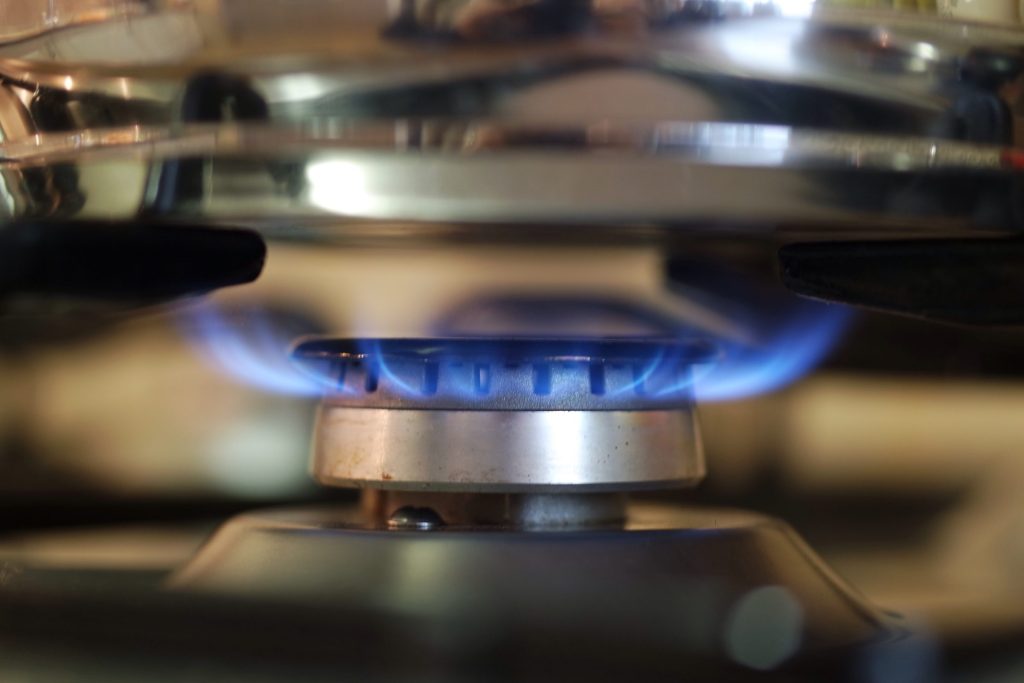
from $175 Open burner repair
The burner this make is known for: grates, bowls and burner heads that lift out by hand. Most of what goes wrong up there is reachable, and a real share of it costs the visit and nothing else.
- Every port cleared, not just the visible ones
- Flame checked hot and at simmer
- Burner heads seated and proved
-
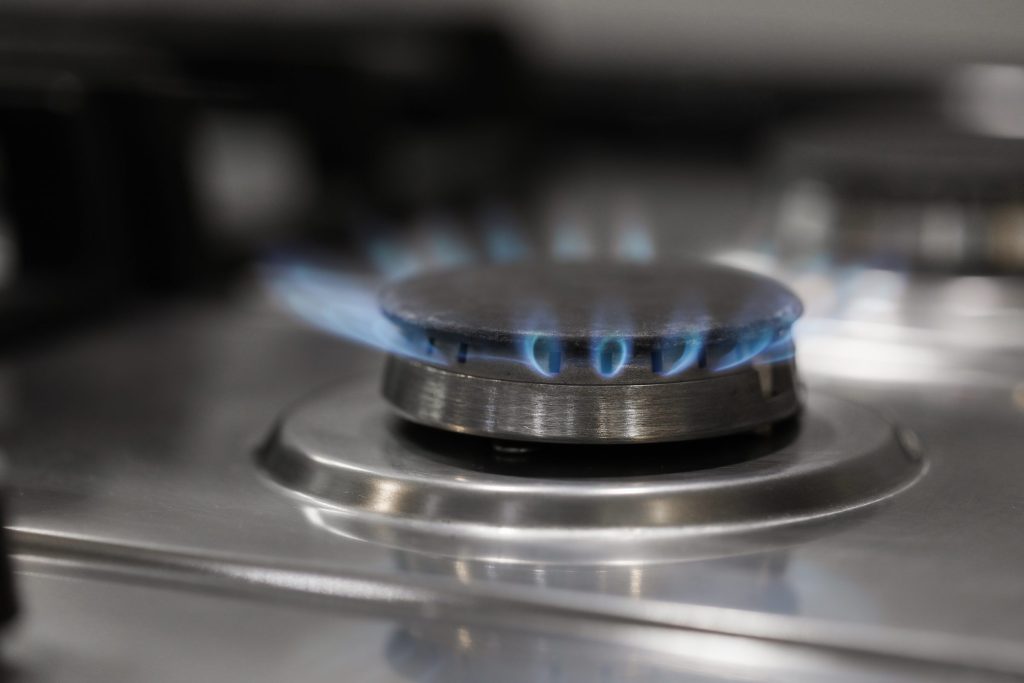
from $165 Sealed burner & igniter repair
The sealed gas top: igniters that click without lighting, a simmer that will not hold, a burner that goes out under a lid. None of it shows a code, because this maker publishes none for gas.
- Igniter and electrode tested individually
- Simmer proved on the low setting
- Caps and ports checked before parts
-
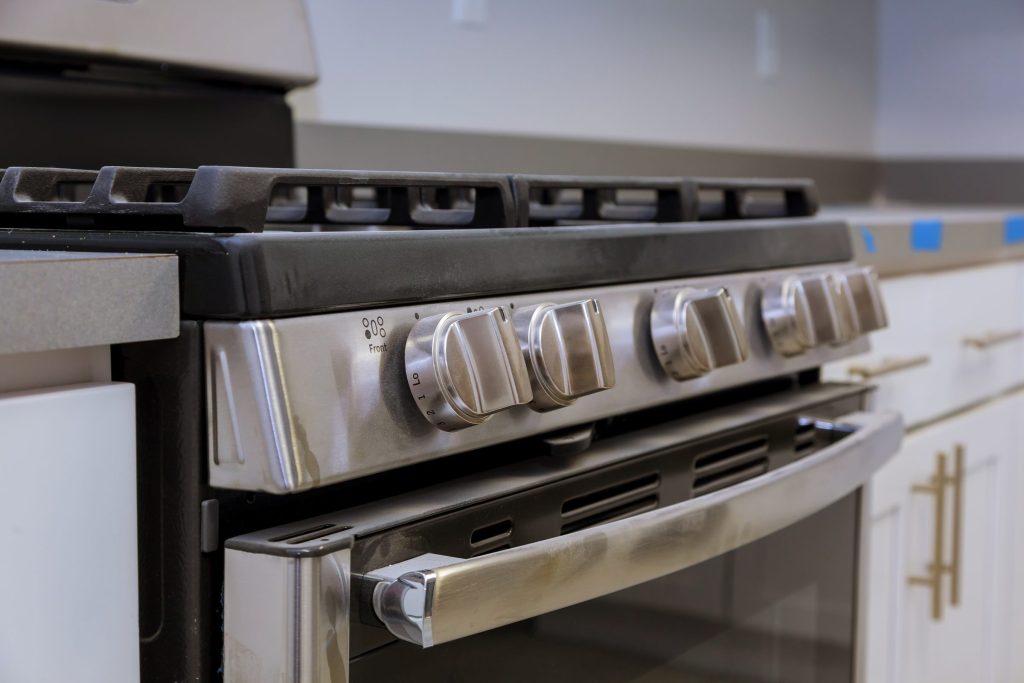
from $225 Dual fuel range repair
Gas above, electric below, one control answering for both — and two halves that fail independently. Which half is misbehaving is the first question and it decides everything after it.
- Both halves tested, not just the one that failed
- Cavity named on a double oven
- Gas side diagnosed by behavior, electric side by code
-
from $185 Rangetop repair
The burner deck off a range, set into a counter with cabinets underneath. Same burners and grates as the range — and reaching the manifold means lifting it out of the stone.
- Burners and simmer proved individually
- Access planned before the visit
- Counter and surround protected
-
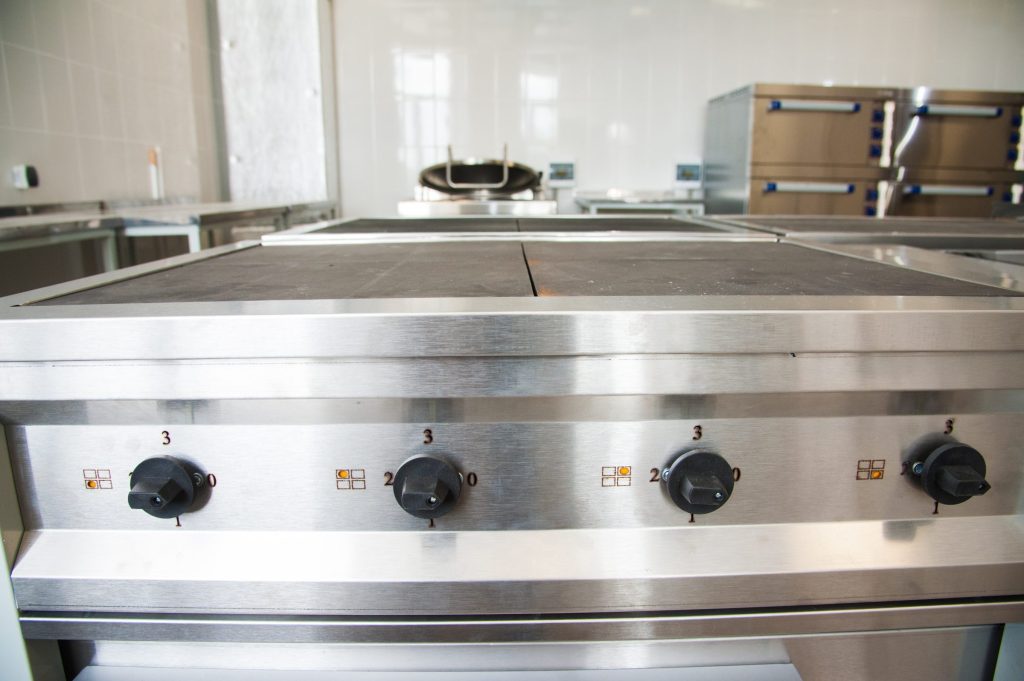
from $175 Griddle & grill plate repair
The griddle in the middle of a wide range or rangetop — the surface that gets used least and reported most, because a griddle that has not been asked to heat since the holidays is the one that will not.
- Heat proved across the whole plate
- Thermostat measured rather than adjusted by feel
- Plate leveled before it is signed off
-
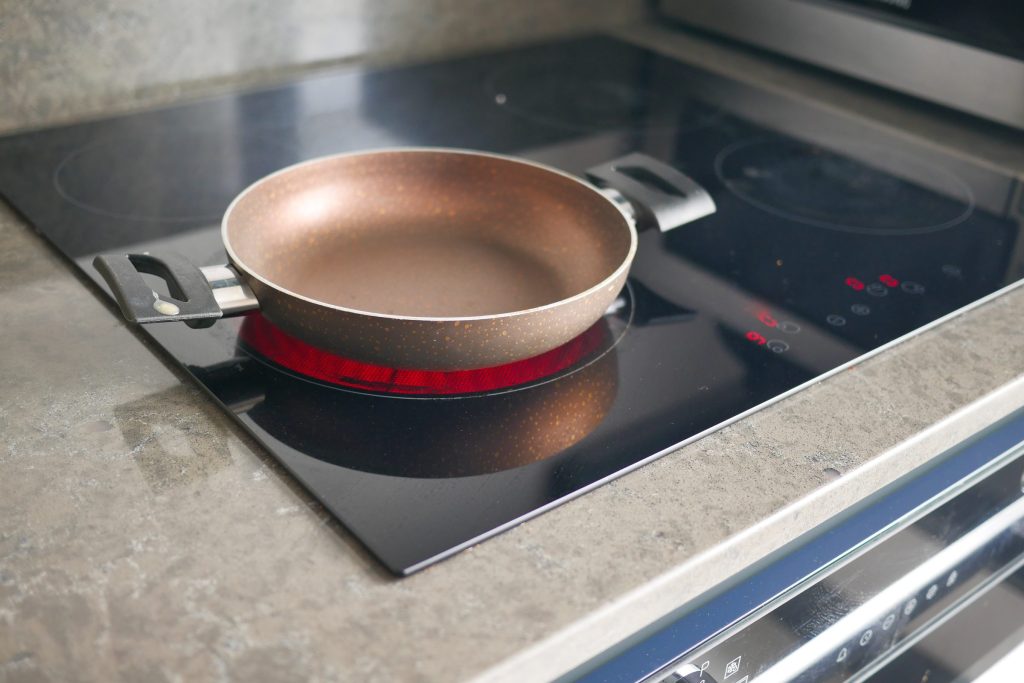
from $245 Induction cooktop repair
One generator per zone, each reporting for itself — so a dead zone is one module rather than a broken cooktop. And a real share of these calls turn out to be the pan.
- The pan ruled out before anything is opened
- Zone-by-zone, because each has its own generator
- Cabinet ventilation checked, which is half of the heat conditions
-
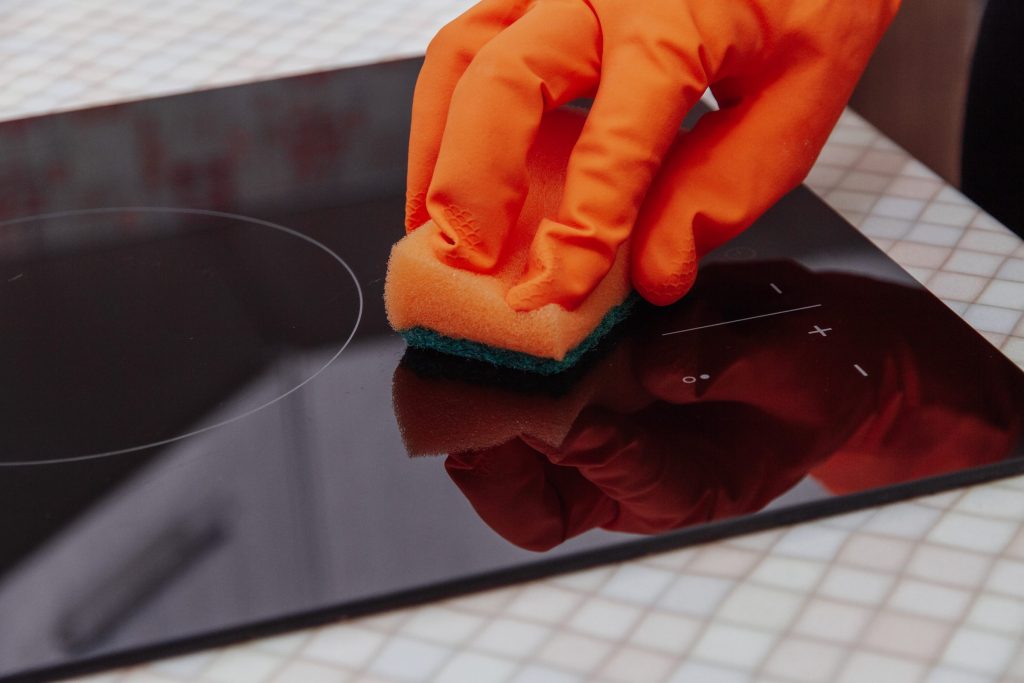
from $395 Cooktop glass replacement
A cracked ceramic surface on a radiant or induction top. Not cosmetic — a crack on an induction surface is a reason to stop using the zone rather than to live with it.
- Model-specific glass, measured before ordering
- Zones and sensing re-seated to the new surface
- The old surface removed without damaging the stone
-
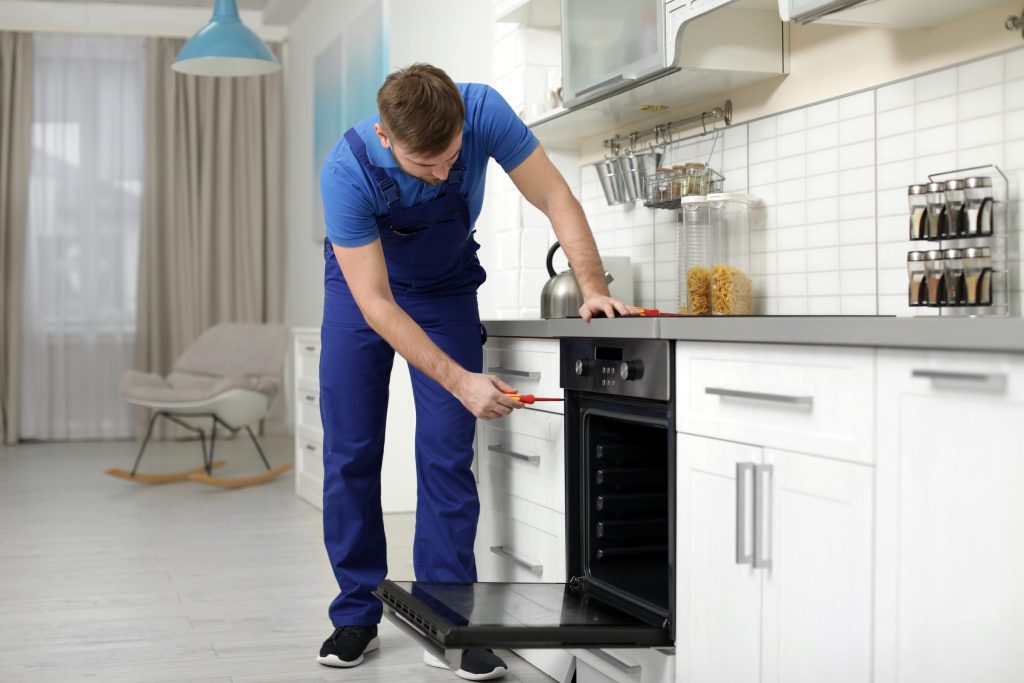
from $195 Oven element & sensor repair
An oven that sets a temperature and stays cold, or heats faithfully to the wrong number. On this make the display frequently names the part outright — RTD ERROR is the sensor, in words.
- Bake, broil and convection tested separately
- Sensor resistance measured, not estimated
- The cavity named on a double oven
-
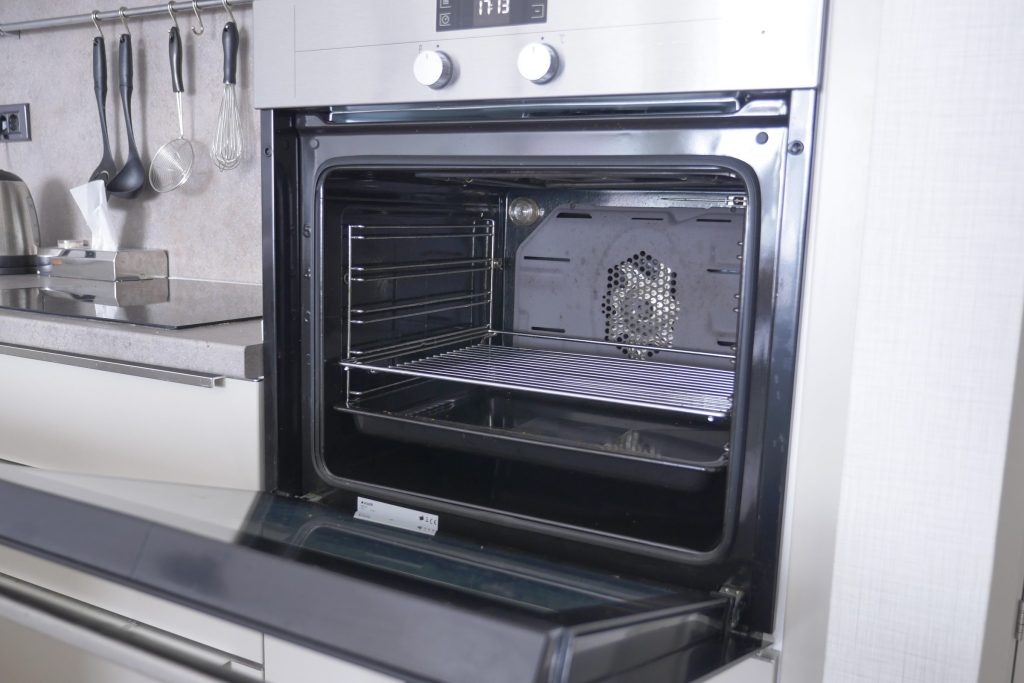
from $215 Oven door latch repair
A door locked after a self-clean, or a latch the control cannot move. This make publishes it as LATCH ERROR, in words, which is as clear as a diagnosis gets.
- Door opened without damaging the front
- Latch motor and switch tested separately
- Self-clean proved before it is signed off
-
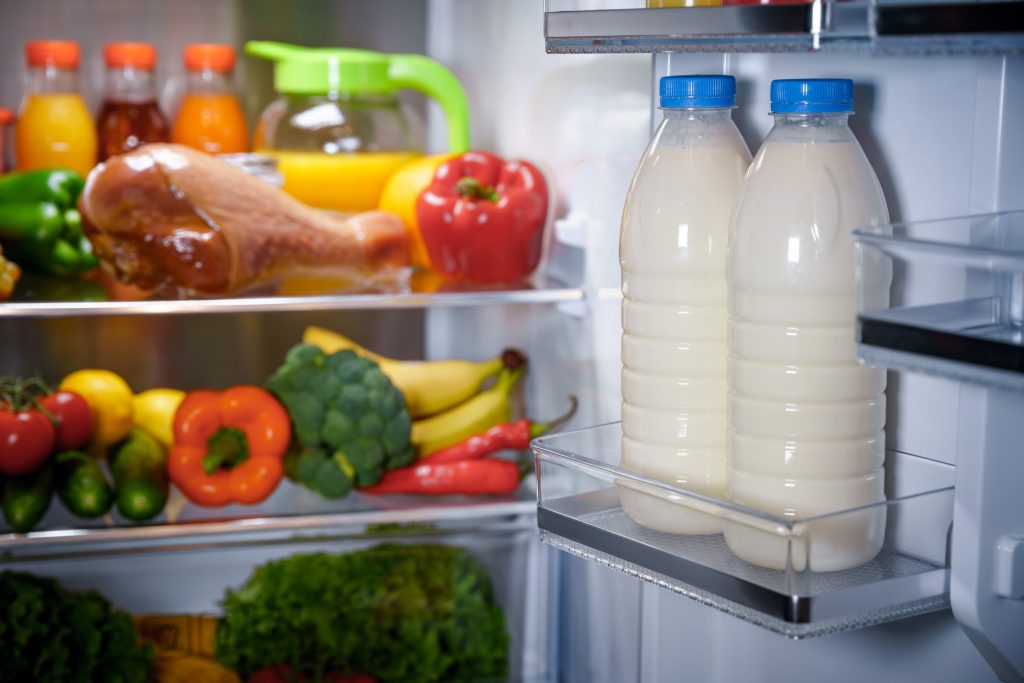
from $175 Door seal & hinge repair
The cheapest thing on any of these appliances and the most commonly to blame. A door a few millimeters off its seal costs heat on an oven and costs everything on a column refrigerator.
- Seals checked along their whole length
- Hinges reset rather than only replaced
- Custom panels squared on their brackets
-
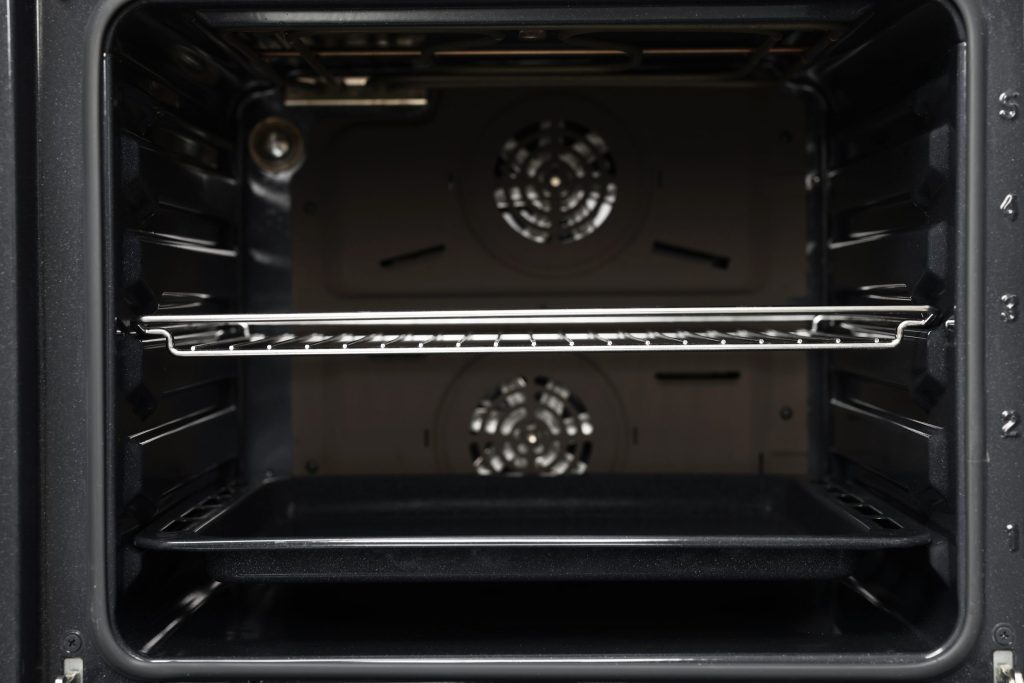
from $205 Convection & cooling fan repair
The fan that does half the cooking on convection, and the one that keeps the electronics alive. Two fans, two very different consequences when one stops.
- Convection tested against bake, which halves the diagnosis
- Cooling fan run-on checked before it is called a problem
- Bearings and drive tested separately
-

from $345 Control board replacement
The repair people assume it is and it usually is not. A board is proved by eliminating what it drives — and on this make a control condition that survives a proper power cycle is a different thing from one that does not.
- Everything the board drives eliminated first
- A genuine five-minute power cycle before any part is ordered
- Configuration set on replacement, which is its own condition here
-
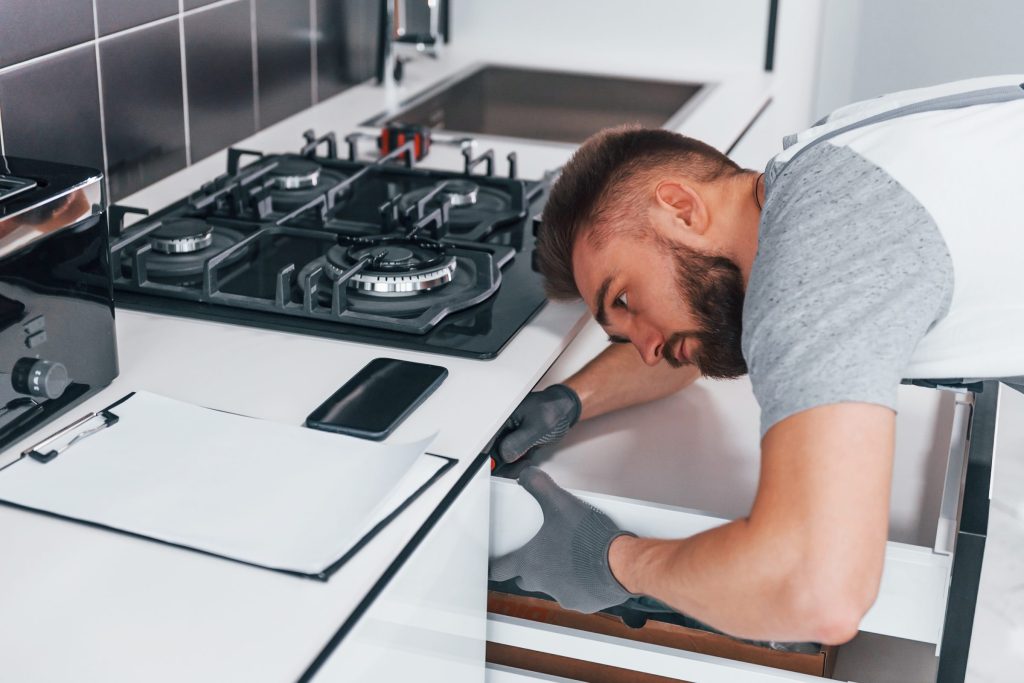
from $145 Appliance maintenance
One visit that covers the intervals this climate shortens: condensers, filters, descaling, burner ports and the drain paths. It is the visit that keeps the other twenty-six away.
- Condensers cleaned on every cold appliance in the kitchen
- Descaling on anything with a water side
- Burner ports and grill hardware checked before the season
-
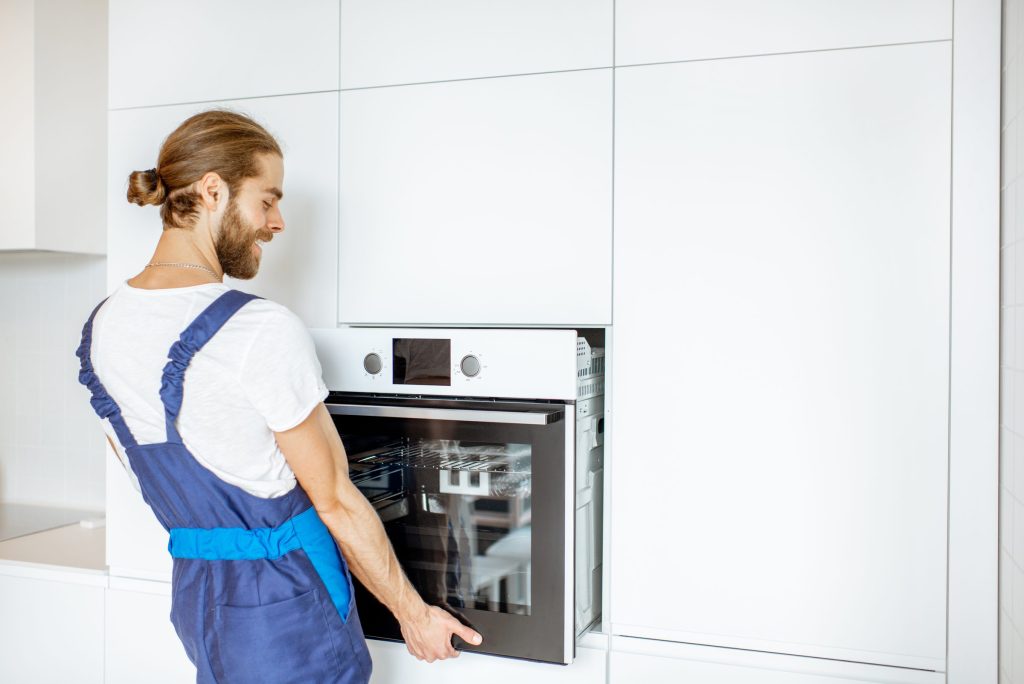
from $225 Appliance installation
Built-in equipment set into cabinetry, leveled, connected and proved. On this make that includes the two things that cause the most trouble later: ventilation under a cooktop, and a drain for an ice machine.
- Leveled properly, which several appliances here measure by
- Ventilation clearances confirmed against the instructions
- Panels and grille kits set square
In more detail
About Viking ranges
Five ranges under one name
Open burner gas, sealed burner gas, dual fuel, all-electric and induction, from 24 inches up to a 66-inch Tuscany. Telling us which you have — and whether the trouble is above the worktop or below it — is most of the diagnosis before anybody drives anywhere.
What actually goes wrong
- A burner that will not light. On an open burner, reassembly first: the head sitting proud after a clean accounts for most of these. Then the igniter for that burner alone.
- An oven that will not reach temperature. Electric: element, sensor, relay. Gas: the oven igniter, weakening for months before it stops.
- A door locked after self-clean. The latch motor or its switch, with the cycle over. Same-day, and never forced.
- Temperature that is wrong rather than absent. A sensor drifting is a cheap part and a common one; an oven that is 40 degrees out is usually not the thermostat people expect.
- A griddle that stays cold while everything around it works. On the 5 Series it has its own burner and its own control, so it fails on its own.
Widths, and why they change the visit
Twenty-four inches to sixty-six. A 48-inch dual fuel with two cavities and a griddle down the middle is a different appointment from a 30-inch all-gas, and both are called a Viking range. Width, fuel, and whether the deck carries a griddle or a char-grill decide which parts ride in the van.
What to have ready when you call
The model number from the plate behind the kick panel, whether it is gas, dual fuel or electric, whether the burners are open or sealed, and whether the trouble is above or below the worktop. A photograph of the plate answers most of it.
This article is based on:
- Official manufacturer documentation
- Internal repair procedures
- Technician repair history
- Company quality standards
Before you book
Questions about Viking ranges
What is the difference between an open burner and a sealed burner, and which do I have?
An open burner sits above the surface and lifts apart — grate, burner bowl, burner head — the way a commercial range does. A sealed burner is welded into the top so nothing spills underneath. Viking sells both: if you can lift a shallow bowl out from under each burner, it is open. The distinction matters because an open burner is cleaned in pieces and a sealed one is not, and because almost every "burner will not light" call is settled by how those pieces went back.
One burner clicks and clicks and never lights. The others are fine.
On an open burner that is nearly always reassembly: the head is a fraction proud of its seat after a clean, and the spark is jumping to metal instead of gas. Lift it, dry it, seat it square. If it is seated properly and still will not catch, that burner has an igniter of its own and it is replaced on its own — not as part of the top.
The burners are perfect and the oven will not heat.
Then you have two appliances in one cabinet and only one of them is unwell. On a dual fuel range the top is gas and the oven is electric, so an oven that will not heat is an element, its sensor, or the relay driving them. On an all-gas range it is usually the oven igniter, which goes on glowing long after it has stopped drawing enough current to open the gas valve — which is exactly why an oven of a certain age lights sometimes and not others.
The self-clean finished last night and the door is still locked.
That is the motorized latch, and it is the one to call about the same day rather than living with. The cavity reached about 750°F during the cycle and the lock is meant to release as it cools; when it does not, the motor or its switch has failed with the door held. Do not force it — the mechanism is easily bent into a much larger job.
Can my natural gas range be converted to propane?
Yes. Every Viking range can be ordered for either, and a natural gas range can be converted in the field with the maker's LP kit. It is not a matter of turning something down: the orifices are changed and the regulator set. Worth saying if you are moving a range to a house on a tank.
Where we do it
Across Miami-Dade, Broward, and Palm Beach
Same terms everywhere we go: an on-site diagnostic first, the price agreed in writing, and the exact figure confirmed once we have seen the unit.
Neighborhoods people ask for by name
 English