VikingRepair Miami

84 conditions in 11 alphabets, all of them the manufacturer's own

Viking error codes: and the ones that are not codes at all.

Type what you can see and the list filters to it — an F with a letter after it, an E-number, a word like RTD ERROR, or a count of flashes. Every one of these was read inside a code table in this maker's own Use and Care manuals, and the manual is named on the page. Where the manufacturer publishes a condition without publishing its meaning, the page says so rather than filling the gap.

  • 84 conditions, each with its own page
  • 11 different ways this make says it
  • 68 you can act on yourself
  • from $95 diagnostic, credited to the repair

Book a visit

Book a diagnostic visit

Your model number and a line about what it is doing is enough to get started. We will confirm the earliest slot we can genuinely keep.

  • Diagnostic from $95, credited toward the repair when you go ahead
  • The work and the price in writing before anything is opened
  • A warranty on our workmanship
  • Miami-Dade, Broward and Palm Beach counties
  1. 01 You tell us the model and what the unit is doing. A photo of the display helps.
  2. 02 We come back with the earliest slot we can genuinely keep, not the earliest one that sounds good.
  3. 03 Diagnosis on site, then the scope and the price in writing before anything is opened.

Your details stay private. No spam, ever.

Loading the booking form…

The booking form is taking longer than it should. Call (305) 697-3843 and we will book the visit with you.

Find yours

Search the whole archive

Type whatever is in front of you. Spaces and capitals do not matter, and neither does knowing what kind of thing it is — FA, E1, 2-2, CL, RTD ERROR and "Lower too warm" are all in here, and so is "one flash then five".

84 conditions in 11 alphabets, every one of them read out of a manufacturer manual and cited on its page. If yours is not here, that does not make it invalid — some are shown only in service mode and some belong to one model year. Call (305) 697-3843 with the model number and exactly what the appliance is showing.

The one that is not a code

A Viking dishwasher does not have error codes.

It has two lights. Pots/Pans flashes a count, Normal Wash flashes a count, and the pair is the message — one then five is a drain problem, two then two is a fill problem. Machines built before 26 May 2010 do not even do that: they mark an X under a row of cycle lights, and the pattern of X marks is the code. The date on the serial plate decides which table applies.

This matters because a good deal of what is published elsewhere about this appliance is invented. There is no “error code 15” on a Viking dishwasher. There is no number at all. Counting the two lights before the machine is switched off is the whole diagnosis, and it is free.

Start from the symptom instead
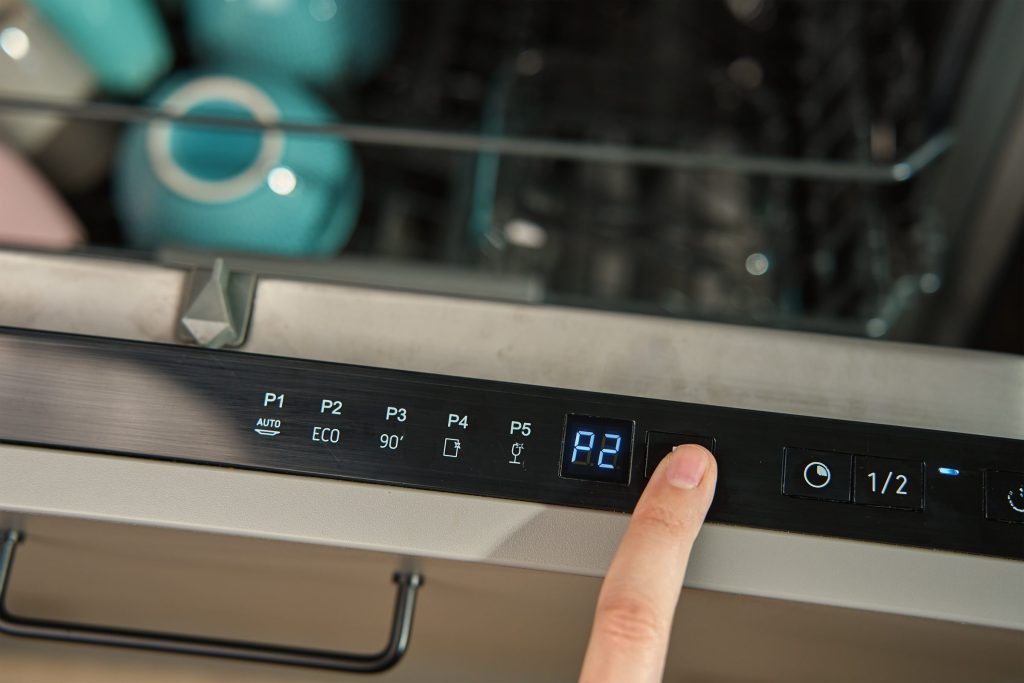
A finger on the top-edge control strip of a dishwasher, P2 lit on the small display beside the indicator lamps

Before you call

Four things worth having in front of you

Codes clear themselves and flash counts cannot be recovered afterwards. These take a minute and they are usually the difference between one appointment and two.

Capture it while it is there

  • Photograph the display, or film the lights — a count of flashes is gone the moment anything is switched off, and nobody can reconstruct it later
  • Take the model number from the plate: behind the kickplate on a range or an undercounter unit, inside the door frame on an oven or a dishwasher, on the upper left interior wall on a column

Then try the free thing

  • Five minutes genuinely off at the breaker, not standby — on this make it ends a real share of the board conditions
  • Note whether it came back, because a condition that survives a proper power cycle is a condition that means something

Same three characters, two different appliances

E2 is a condenser fan on one machine and an overheated cooktop on another.

This make bought and built its controls in different decades and on different continents, so a token is only half of an answer. E1 is a compressor on an undercounter refrigerator and nothing at all on a cooktop. EE is a controller memory failure on an older beverage center and a technical error on a steam oven. Every page here names the machine as well as the token, which is why there are eighty-four of them and not sixty.

Tell us the model number and exactly what the appliance is showing, and we will tell you which one you have. Call (305) 697-3843, or describe it in the form above.

By what it is doing

Start from the symptom instead

If nothing is on the display — and on the grills and ice machines there never is — start from what the appliance is actually doing. Each of these covers the likely causes cheapest first, and what is worth checking yourself.

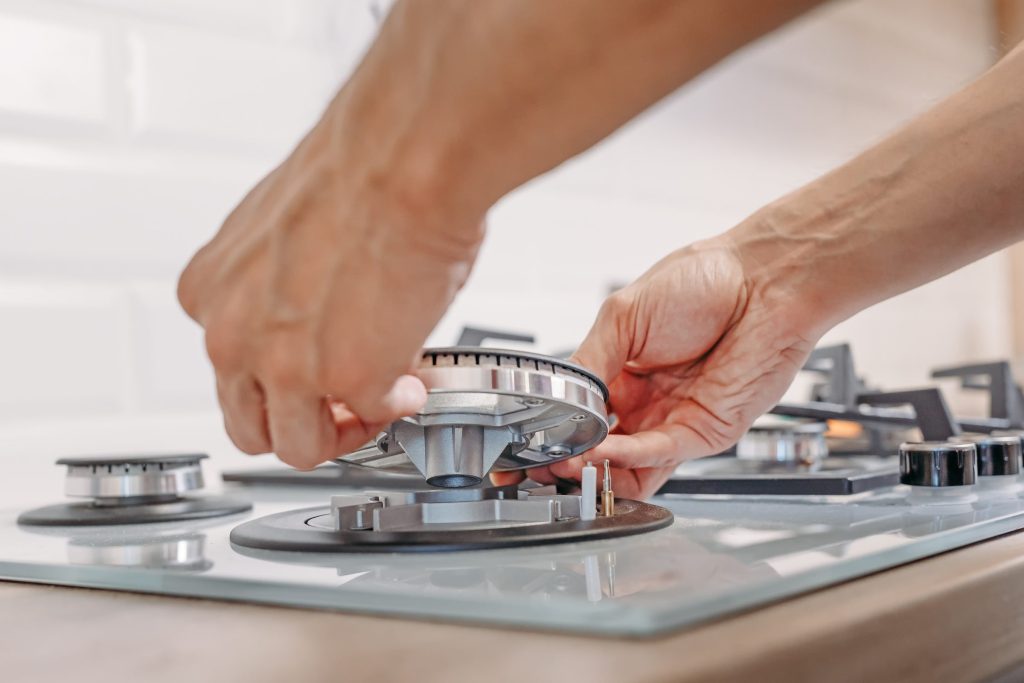
  • Two hands seating a burner head back onto its base on a gas cooktop
    It clicks, and nothing happens

    Burner will not light

    A burner that clicks and never catches, or catches and drops out a few seconds later. The appliance will tell you nothing about it — this maker publishes no code for gas — so the diagnosis is entirely in what the burner does.

    What it usually means
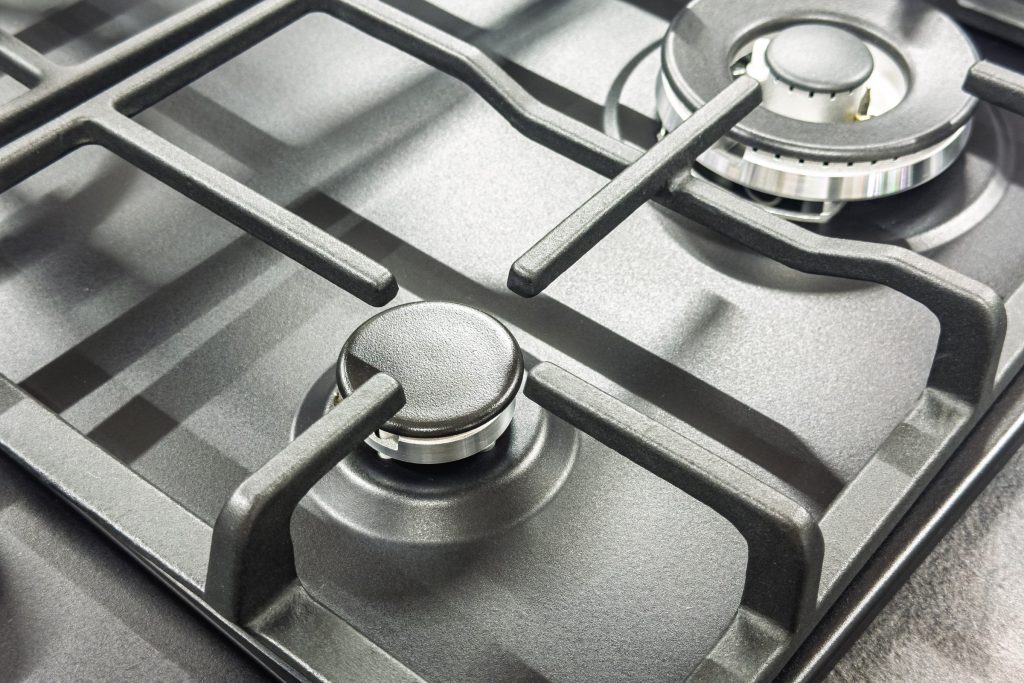
  • Two burner heads and their cast grates on a stainless cooktop
    Lazy on one side of the ring

    Open burner flame uneven or yellow

    A flame that is blue on one side and yellow and lazy on the other, or a ring that never quite makes a full circle. On an open burner this is visible, reachable and usually free to correct.

    What it usually means
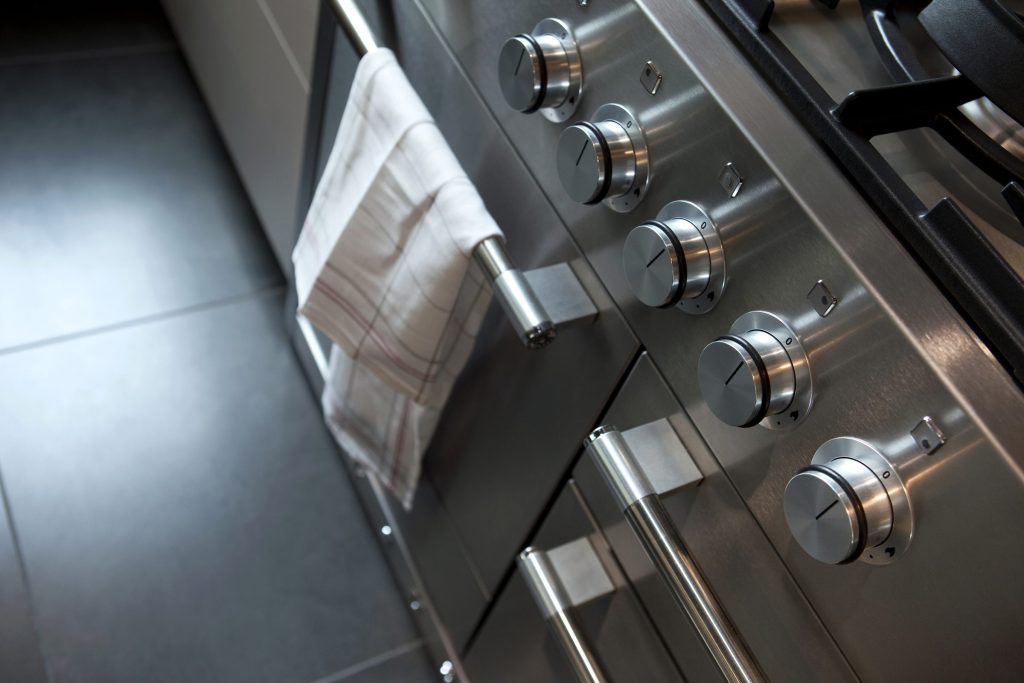
  • A towel hanging from the handle of a stainless range, its knobs in a row alongside
    Low is not low, or low goes out

    Simmer will not hold

    A burner that will not stay lit on its lowest setting, or a "low" that is still hot enough to boil. On professional equipment the simmer is a specification rather than an afterthought, and a burner that has lost it can be brought back.

    What it usually means
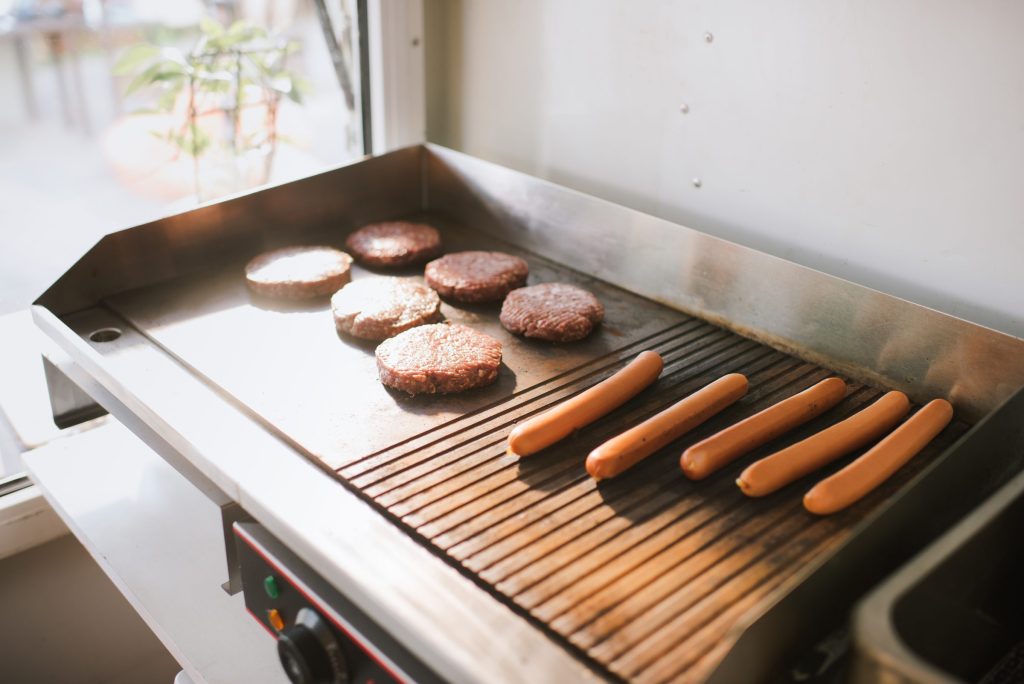
  • Burgers on a flat griddle plate beside hot dogs on the grill grates
    Cold in the middle of a wide range

    Griddle not heating

    The griddle on a 48-inch range or rangetop, cold or heating only in patches. It is the least-used surface in the kitchen and the one most likely to have seized quietly since the last time it was asked.

    What it usually means
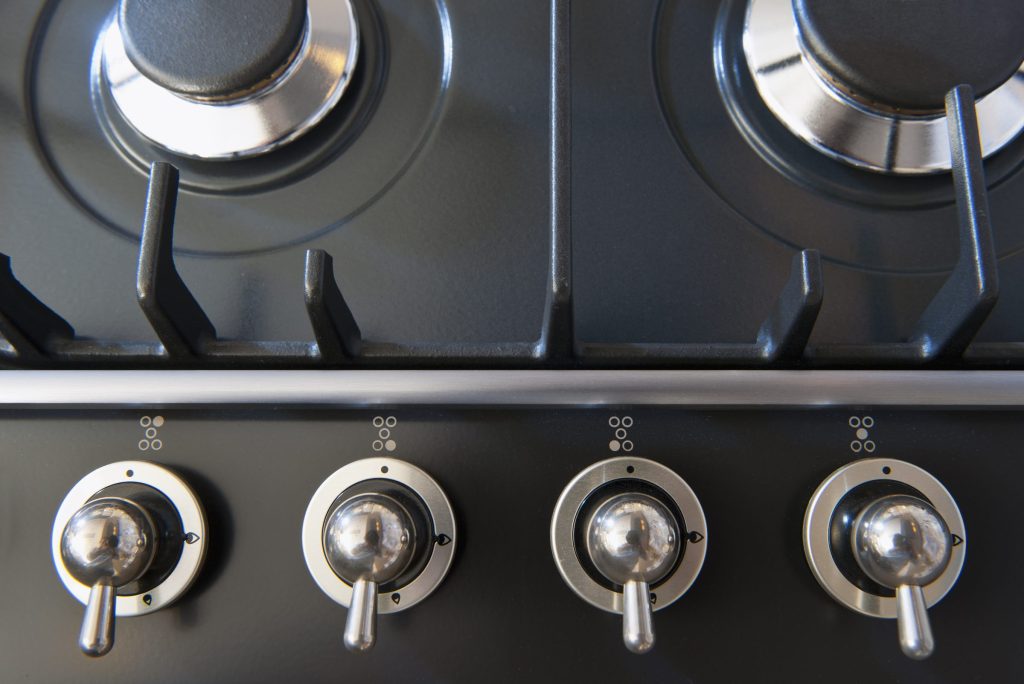
  • Four lever knobs in a row below the burners of a dark range
    On the 7 Series, the knob is the display

    Knob lights turned red

    On the current ranges the backlight behind the knobs goes red and a ring flashes a count. That is this appliance reporting an error — and the count is evidence that disappears the moment anything is switched off.

    What it usually means
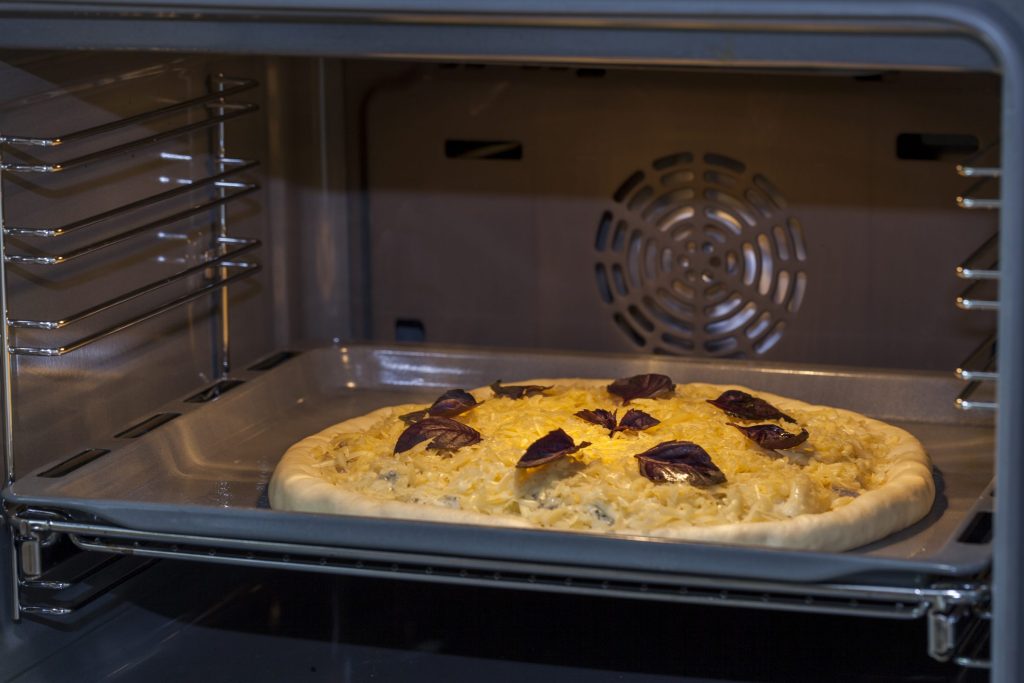
  • A pizza on a tray on the middle rack of an oven, the fan cover behind it
    The display often names the part

    Oven not heating

    An oven that sets a temperature and stays cold, or heats on one mode and not another. On this make the message is usually in words rather than in numbers, and RTD ERROR names the sensor outright.

    What it usually means
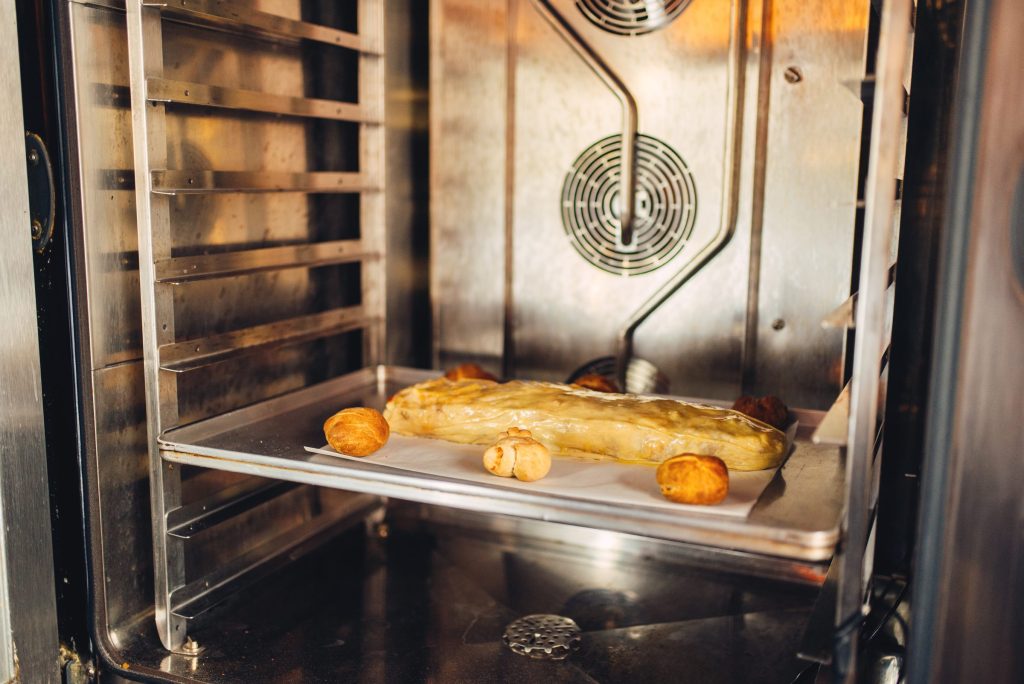
  • Pastries on a tray in a stainless oven cavity with the element visible above
    Obedient, and aiming at the wrong number

    Oven temperature wrong or uneven

    An oven that heats perfectly to a temperature that is not the one you set, or browns on one side and undercooks on the other. Almost always a measurement problem rather than a heating one.

    What it usually means
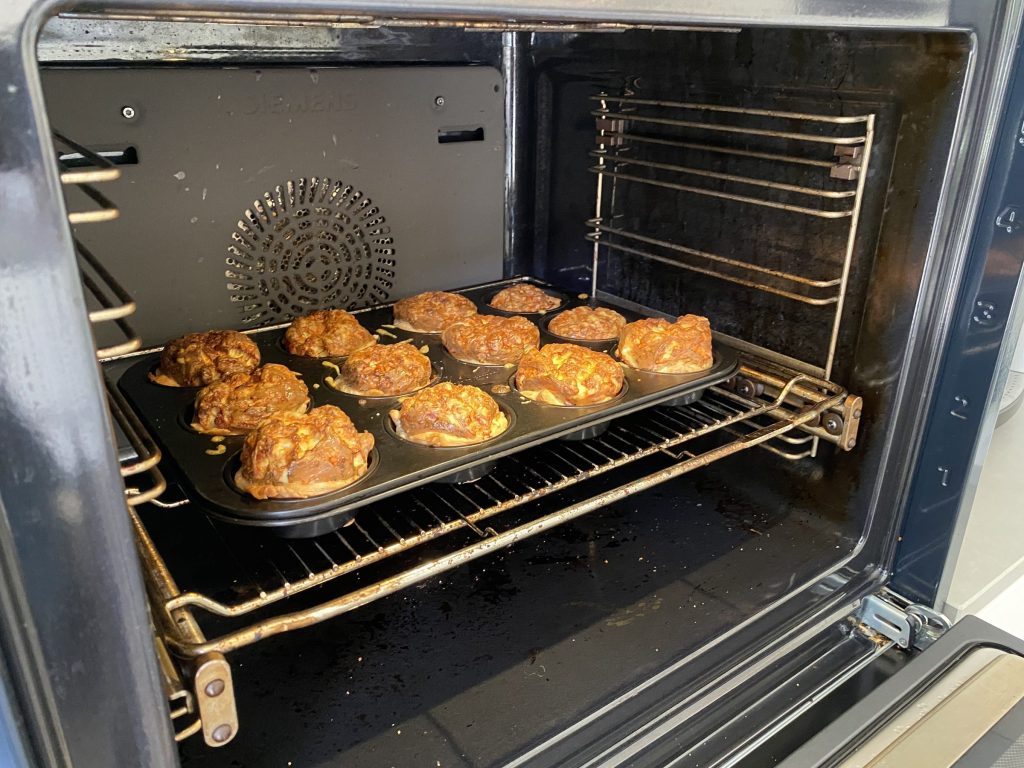
  • A tray of muffins on the rack of an oven with a soiled cavity
    The cycle that finds everything

    Oven dead after a self-clean

    An oven that ran a clean cycle and has not worked since. It is one of the most predictable calls on this equipment, and it is not because anything was done wrong.

    What it usually means
  • A dish inside a dark oven, seen through the closed door
    LATCH ERROR, in words

    Oven door locked shut

    A door the control cannot unlock, usually after a self-clean. This make publishes it as LATCH ERROR in plain English, which is as clear as a diagnosis gets.

    What it usually means
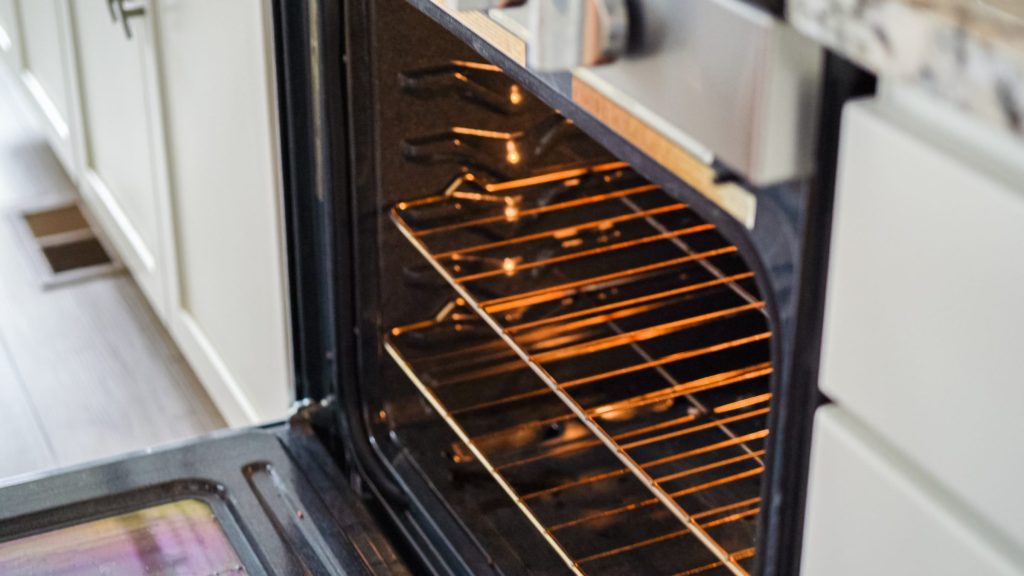
  • A built-in oven standing open, its door down and the cavity lamp lit on empty racks
    The gap you cannot see

    Oven door not closing properly

    A door that does not sit flush, springs back, or closes on a gap at one corner. On a French-door oven there are two leaves that have to arrive at the seal together, which adds a way for it to go wrong.

    What it usually means
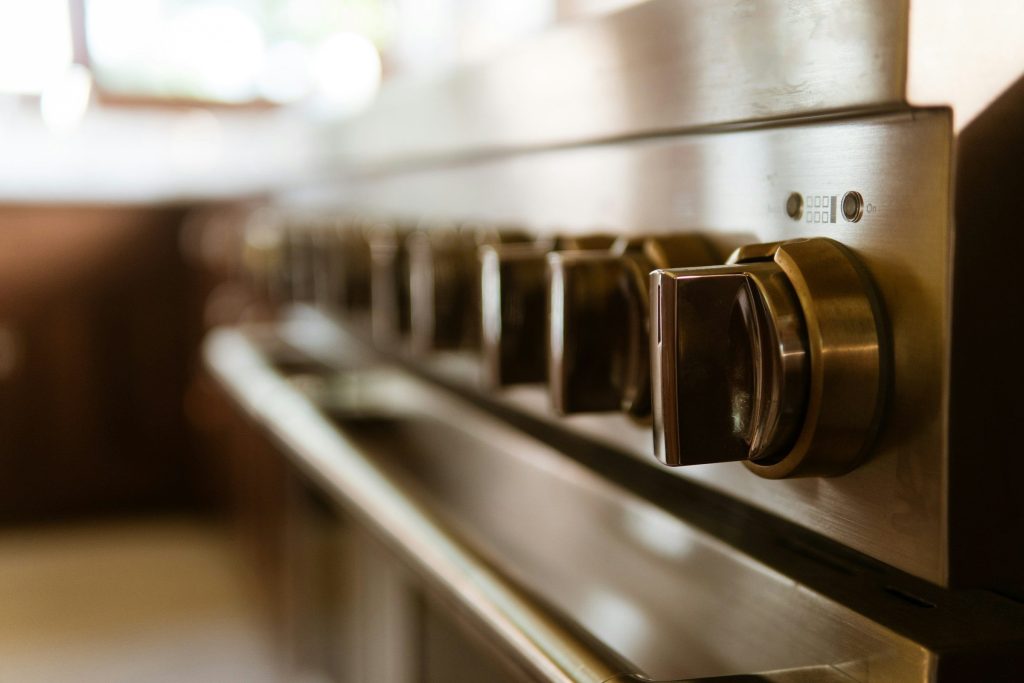
  • A row of brass control knobs along the front of a range
    KEYBOARD ERROR, and what it is not

    Oven controls not responding

    A panel that ignores presses, responds to the wrong one, or has gone dark. On this make there are three separate published messages behind it and they are three different repairs.

    What it usually means
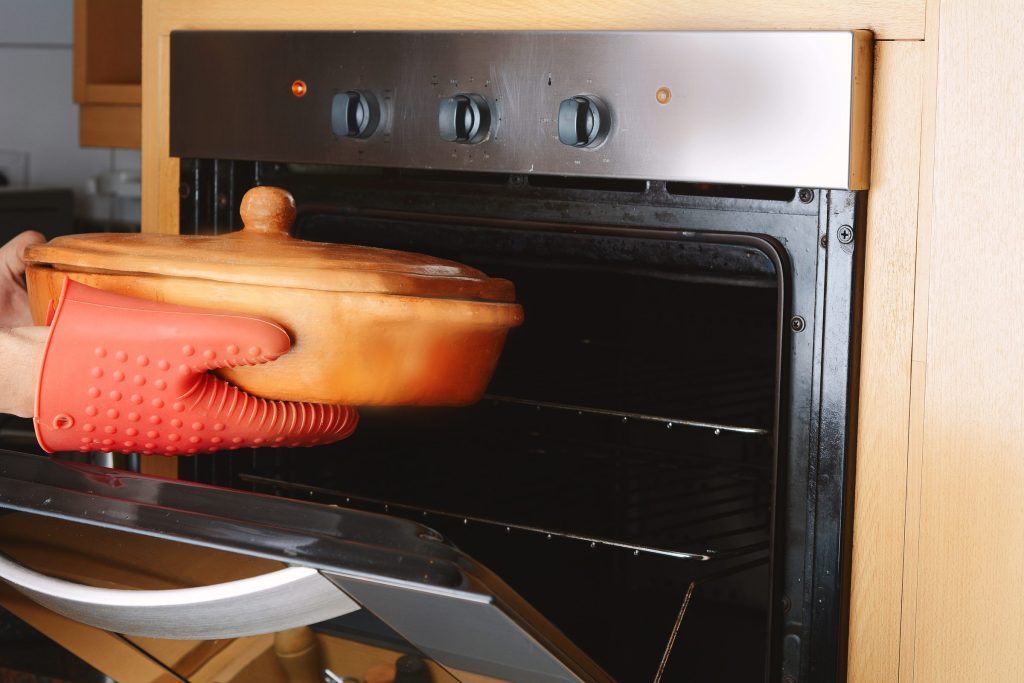
  • A gloved hand setting a covered dish onto the rack of a hot oven
    The cheapest part in the oven

    Meat probe not working

    PROBE ERROR on the display, or a probe reading nonsense. This is the least expensive thing that can be wrong with the appliance and it is worth eliminating before anything else.

    What it usually means

About codes

What people ask us about Viking codes

Is there a Viking error code list I can download?

Not one list, no — and that is the honest answer rather than a dodge. This manufacturer publishes its codes inside the Use and Care manual for each appliance, and different appliances use completely different systems. The archive here is compiled from those manuals so all of them can be searched at once, with the machine named on every page and the manual cited. We do not reproduce the manufacturer's wording or its repair procedures.

My dishwasher is flashing. What is the code?

There is no code. Count the flashes on the Pots/Pans light and then the flashes on Normal Wash, and read them as a pair: one and five is a drain problem, two and two is a fill problem, both lights flashing continuously is water in the base pan. On machines built before May 2010 there are no counts either — an X appears under a row of cycle lights instead. Anything you find online offering a numbered Viking dishwasher code is making it up.

The knobs on my range have gone red. Is that a code?

It is. On the current 7 Series the knob backlight is the display: it turns red and the griddle or oven ring flashes a count for each condition. The manufacturer publishes the behavior and does not publish the counts, so nobody can honestly decode the number for you — including us. Count the flashes and photograph it before switching anything off, because that count is the only evidence that exists.

Why does the same code mean two things?

Because the boards come from different makers and different decades. E2 is a condenser fan motor on an undercounter refrigerator and an overheated cooktop on the integrated downdraft top; E1 is a compressor on a single-zone drawer and the lower compartment sensor on some two-zone wine cellars. The model number settles it, which is why every page here carries the machine and not only the token.

Do you cover the grills and the ice machines?

Both, and neither appears in this archive because this maker publishes no code for either one. That is its silence rather than our omission. Grills and ice machines are diagnosed from what they are doing, and <a href="/symptoms/">the symptom pages</a> carry that instead — including the one the manufacturer names itself, which is surface rust on stainless in an extremely salty environment. On this coast that is not bad luck, it is the address.

Photograph it, then tell us the model number.

Those two things are usually enough for us to say what is likely, what it involves, and what it should cost before anybody comes out.

This article is based on:

  • Official manufacturer documentation
  • Internal repair procedures
  • Technician repair history
  • Company quality standards
Call (305) 697-3843