Maintenance & Prevention
Cleaning a Viking Ice Machine: Twice a Year in This Water, Not Once
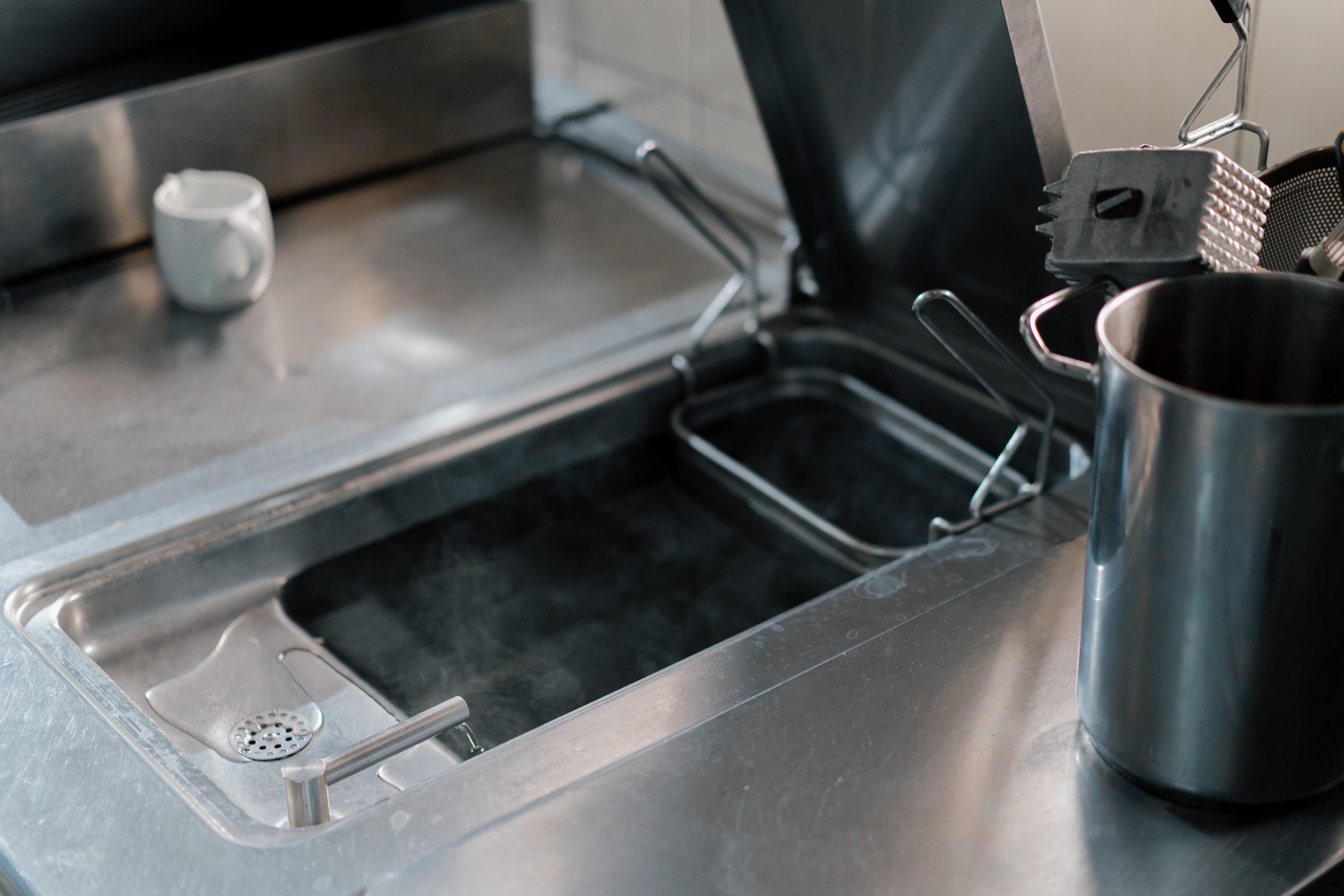
Run the machine's own cleaning cycle with the agent the manufacturer names, then empty and wash the bin and discard the first two harvests afterwards. In South Florida do it twice a year rather than annually: hard water scales a plate or an auger faster than the interval assumes, and a warm humid room works on the bin at the same time. Scale is the largest single cause of slow production and cloudy ice on these machines, and the bin is usually what people are actually tasting.
The full guide
How to clean Viking ice machine scale, and where it forms
On a clear ice machine it forms on the evaporator plate, where water freezes in thin layers. On a nugget machine it forms in and around the auger. Either way the effect is the same: less production, cloudier ice, and a machine that seems to be working.
Nothing announces this. Production falls a few percent a month, and by the time anybody notices, the machine has been running against a coated surface for a year.
The cycle is designed for you
The cleaning cycle on these machines is an owner task, and the instructions are printed. What is worth being firm about is the agent: use the one the manufacturer names.
Vinegar is not a substitute. Cleaning and descaling agents are formulated for the metals in an evaporator plate and an auger, and improvising on this appliance is how a maintenance cycle becomes a repair.
The bin is usually what you are tasting
Ice is porous and it sits in an open container for weeks. It absorbs whatever the cabinet, the water and the room have to offer, and in a humid kitchen it does so faster.
The classic history is a household away for a month. The machine kept making ice into a bin nobody emptied, in a warm kitchen. That is not a mechanical problem and it is not fixed by a repair — it is fixed by emptying, washing, and throwing away the first two harvests.
While the kickplate is off
Two things, both free:
The condenser. Same job as every other cold appliance in the kitchen, same three-month interval.
The drain. Every Viking ice machine requires one, and the pump is an accessory rather than a substitute. Pour water through and watch it go. A drain that looks clear and does not flow is the commonest finding on a machine that is leaking, and it is the item most often improvised when an island run was fitted quickly.
Why an ice machine needs this and a freezer ice maker does not
They are different appliances doing a similar job:
- A freezer ice maker borrows the cold that is already there, fills a mold on a timer, and drops the cubes into a bin.
- A standalone ice machine makes its own cold, runs water continuously over a plate, and has a water path, a pump, an evaporator plate and a drain — all of them wet, all of them warm at some point in the cycle.
That is why one wants a filter and the other wants a cleaning schedule, and why in South Florida water the schedule is shorter than the manual's.
The three things that build up, and what each does
- Scale, from the water itself. It coats the evaporator plate, and a plate under a mineral film releases cubes badly and produces the hollow, slow harvests people describe as "it stopped making ice".
- Biofilm, in the water path and the bin. It is what you taste before you see it, and it is the reason ice tastes of the machine rather than of nothing.
- Dust on the condenser, exactly as on a refrigerator. This maker publishes the reminder for its refrigeration as CL and Check condenser, and the same logic applies here: it runs longer for the same ice until it stops making any.
The order matters when you clean: descale the water path, sanitize the bin, then the condenser. Doing the condenser first means doing it twice.
What good looks like afterwards
Clear ice, made at the rate it used to be, tasting of nothing. If two of those three are back and the third is not, that is worth a call — because by then the question is what the scale has already reached.
In this city, a machine that has never been cleaned and is still producing well is a machine that has not been measured. Half the trouble we see on these is preventable by a cycle and an hour, twice a year.
If it turns out to be a repair
What this leads to, and what it costs
Every job on this site is priced the same way: an on-site diagnostic first, the figure agreed in writing before anybody starts.
-
from $145 Ice machine drain & descale
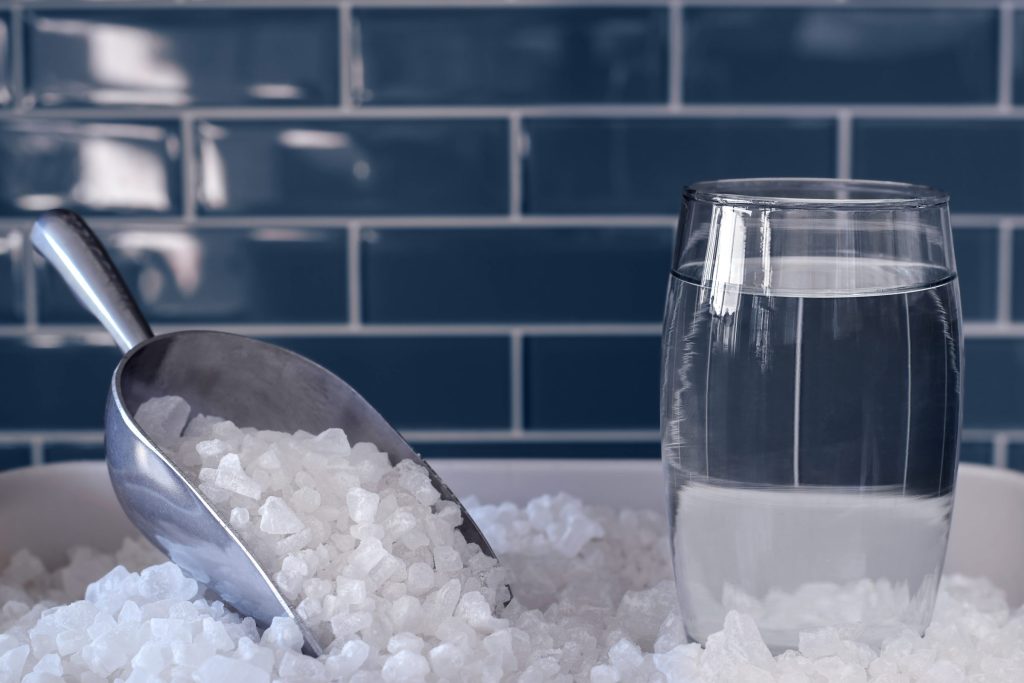
The maintenance visit that keeps the repair visit away. Scale, the drain path and the bin — the three things this water and this climate work on hardest.
- Cleaning cycle with the agent the maker names
- Drain path cleared and proved, not just inspected
- Bin and reservoir sanitized
-

Usually the bin, not the machine Ice tastes or smells wrong
Ice that smells of the freezer, tastes of the water, or has taken on something from the kitchen. It is rarely a mechanical problem and it is usually free to resolve.
- A musty or stale smell to the ice
- A taste that appeared after a quiet month
- Cloudy ice as well as an odor
-
Water in, water out, and scale Ice machine not making ice
A machine that runs and produces nothing, or produces far less than it used to. This maker publishes no code for any ice machine, so it is diagnosed entirely from what it does.
- Running with an empty bin
- Production down noticeably
- Ice that forms and never releases
-
Clear ice · Nugget ice · Undercounter · Panel ready · With drain pump Ice machines
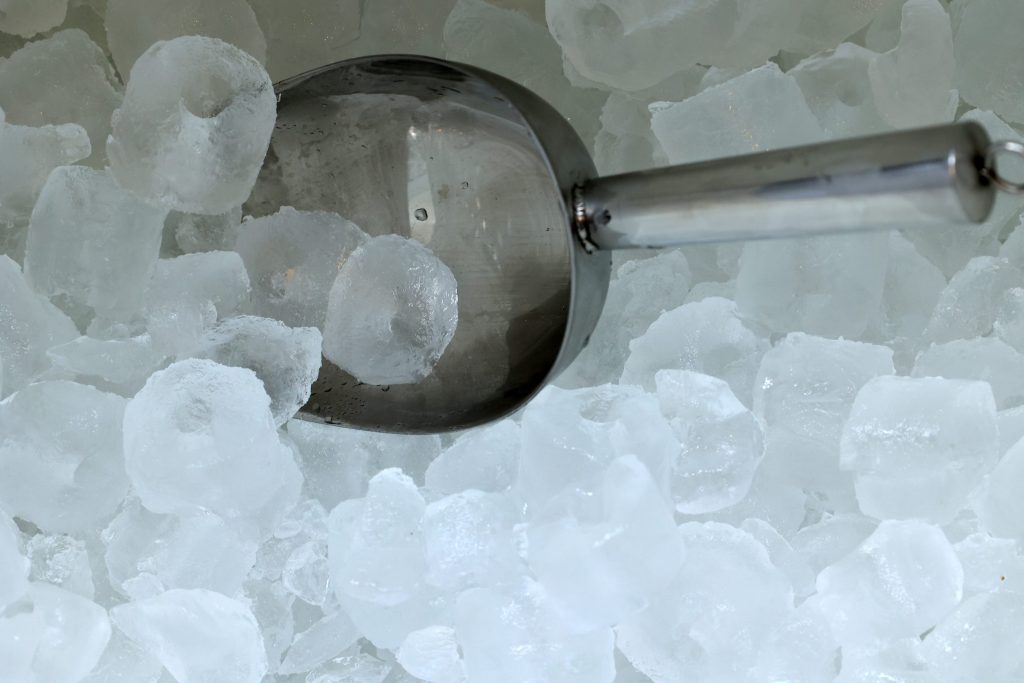
A plumbed appliance with a drain, which is what separates it from the ice maker inside a freezer and explains most of what goes wrong with it. Clear ice up to 65 pounds a day, nugget up to 80, and a bin that holds 26 — so a machine that seems slow is often a machine that is draining badly.
- Production falling off without stopping
- Water where it should not be
- Ice that is cloudy, small or fused together
Questions people ask about this
Why twice a year?
Hard water and a warm humid room are the two things that shorten every interval in the manual, and an undercounter ice machine has both working on it at once. Annually is the figure for a milder market.
The ice smells. Is the machine dirty?
Usually the bin rather than the machine, particularly after a quiet month. Empty it, wash it, discard the first two harvests, and judge after that.
Can I use vinegar?
No. Descaling and cleaning agents are formulated for the metals involved, and improvising here is what turns a routine cycle into a repair on an evaporator plate or an auger.
Production has dropped. Will cleaning fix it?
Often, and it is the cheapest thing to try. Scale on a plate or in an auger reduces production gradually, which is why nobody notices until it is a long way down.
Clear ice and nugget ice — same cleaning?
Same principle, different mechanism. Clear ice forms on a plate; nugget ice is made with an auger. Follow the cycle for your machine rather than a generic one.
Maintenance & Prevention
More guides like this one
-

Changing a Viking Water Filter — and What the Indicator Is Actually Counting
Two filters, not one, and neither indicator measures anything — both count time. In this water that matters, and so does the reset.
Read more -
Viking Oven Door Locked After Self-Cleaning: Why It Happens and What Not to Do
How long the cycle should take, what interrupting it does, and the release sequence on the ranges that have one. Plus the one thing that turns a latch repair into a latch and a door.
Read more -
Cleaning Viking Refrigerator Coils: The Quarterly Job That Prevents the Expensive One
The manufacturer asks for it every three months. On this coast that interval is real rather than conservative — and on a full-line kitchen it is five condensers, not one.
Read more
Tell us the model number and what it is doing.
This article is based on:
- Official manufacturer documentation
- Internal repair procedures
- Technician repair history
- Company quality standards
 English