Maintenance & Prevention
Cleaning Viking Grates, Burner Bowls and Heads Without Causing Your Next Repair
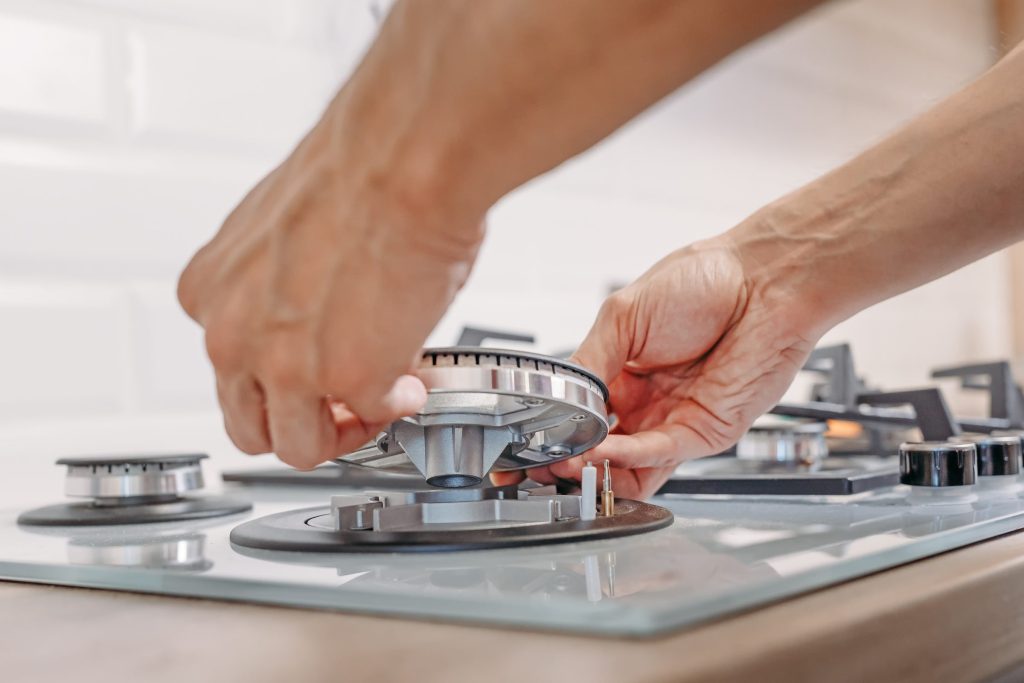
Lift the grate, the burner bowl and the burner head off by hand, wash the grate and bowl in hot soapy water, brush the port ring on the head and clear any blocked port with a pin rather than anything that will enlarge it, then set the head back down flat and fully seated. Do not put cast grates or burner heads in the dishwasher, and do not scrub the electrode. A burner head that goes back a fraction out of place is the single most common reason a Viking burner will not light the next morning.
The full guide
How to clean Viking range grates: what comes apart, in order
This is the design this make is known for and the reason its most common repair is ten minutes rather than a service call. Almost every rival sealed the cooktop and put the port ring where nobody can reach it. This one leaves it visible.
What goes in water and what does not
| Part | How |
|---|---|
| Cast grate | Hot soapy water, soft brush. Not the dishwasher |
| Burner bowl | Hot soapy water. Nothing abrasive on the finish |
| Burner head | Brush the port ring dry, then a light wash. Not the dishwasher |
| Base and electrode | Dry cloth only. Do not scrub, do not soak |
Dishwasher detergent strips the finish from cast iron and from burner heads. They come out dull and noticeably more prone to surface rust — which in a kitchen a few miles from the ocean is not a cosmetic footnote.
The port ring
Every port open, all the way round. Brush it, hold it up to the light, and clear anything blocked with a pin or a stiff bristle.
Not a drill bit. Not a needle file. An enlarged port changes the flame at that point permanently and there is no undoing it — the burner then runs unevenly for the rest of its life for a reason nobody can see.
The step that causes most of our calls
Put the burner head back flat and seated. Feel it drop into place rather than assuming it has.
A head that goes back tilted, or rotated a few degrees, or sitting on a crumb, is the single most common reason a Viking burner clicks and never lights the following morning. It is free to correct and it is the first thing a technician does — which is a bad way to spend a visit.
Why a griddle is seasoned and a grate is not
They live on the same range and they want opposite treatment, which is where most of the damage comes from:
- The griddle plate is a cooking surface. It carries a thin polymerized layer of oil that stops food sticking, and detergent removes it. Scrape while warm, wipe, re-oil thinly. A griddle stripped back to bare metal rusts in a Miami kitchen within days of being washed.
- The grates are supports. Nothing is meant to stick to them and nothing is meant to season onto them, so they can be degreased properly — and a coating left on them carbonizes into the sooty film people mistake for a burner problem.
Getting these the wrong way round is common and the results are visible: a rusting griddle and grates that smoke every time a burner is lit.
The reassembly, which is where the call-outs come from
Everything above is undone by putting the range back together carelessly:
- Caps dry before they go back. A damp cap will not light and will spark until it dries.
- Caps seated, not resting. There is one seat, and a cap a fraction proud gives a burner that sparks and never catches.
- Caps and heads to their own positions. A professional cooktop uses different burner heads in different positions; each one fits everywhere and only works in one place.
- Grates the right way round. They have a front and a back, and a reversed grate sits high and rocks under a pan.
Test every burner before you walk away. Light each one, take it down to simmer, and look at the flame. Sixty seconds now is the difference between finishing the job and calling somebody in the morning.
Afterwards
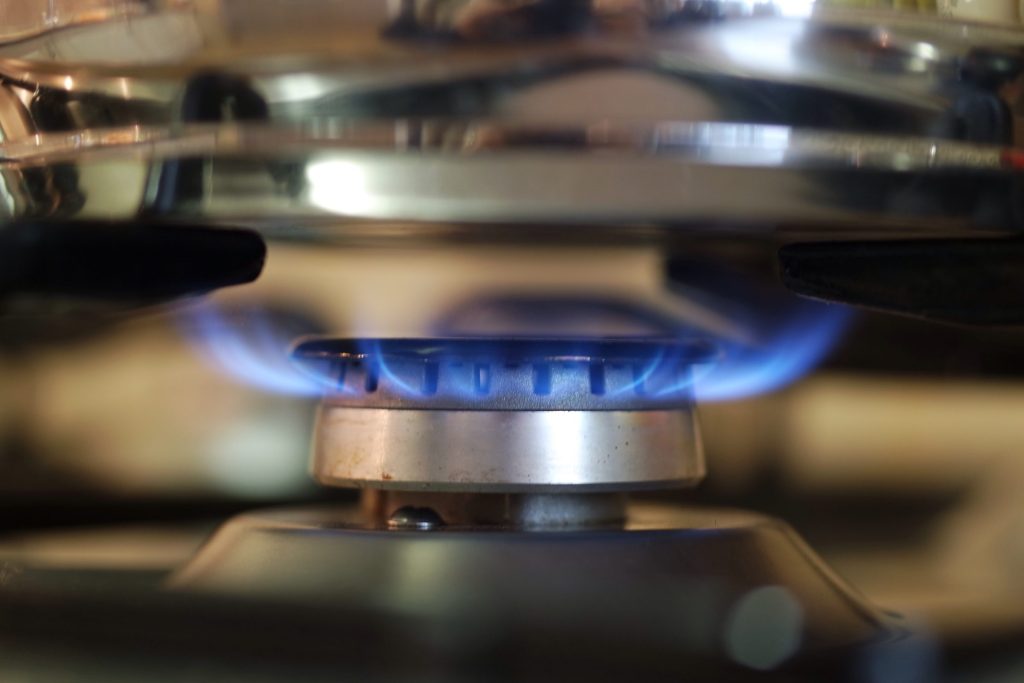
Light every burner. Check the flame is blue with a faint inner cone, all the way round the ring, and take each one down to a genuine simmer.
One coastal habit worth having: dry the grates properly rather than leaving them to air-dry, and wipe a cold grate with a trace of cooking oil once in a while. Cast iron in humid, salt-carrying air will bloom surface rust otherwise, and once it starts it comes back faster each time.
If it turns out to be a repair
What this leads to, and what it costs
Every job on this site is priced the same way: an on-site diagnostic first, the figure agreed in writing before anybody starts.
-
It clicks, and nothing happens Burner will not light
A burner that clicks and never catches, or catches and drops out a few seconds later. The appliance will tell you nothing about it — this maker publishes no code for gas — so the diagnosis is entirely in what the burner does.
- Clicks and clicks without lighting
- Lights and goes out after a few seconds
- One burner out while the rest are fine
-
Lazy on one side of the ring Open burner flame uneven or yellow
A flame that is blue on one side and yellow and lazy on the other, or a ring that never quite makes a full circle. On an open burner this is visible, reachable and usually free to correct.
- Yellow or orange tips on one side
- Part of the ring not lighting at all
- Sooting on the bottom of the pan
-
from $175 Open burner repair
The burner this make is known for: grates, bowls and burner heads that lift out by hand. Most of what goes wrong up there is reachable, and a real share of it costs the visit and nothing else.
- Every port cleared, not just the visible ones
- Flame checked hot and at simmer
- Burner heads seated and proved
-
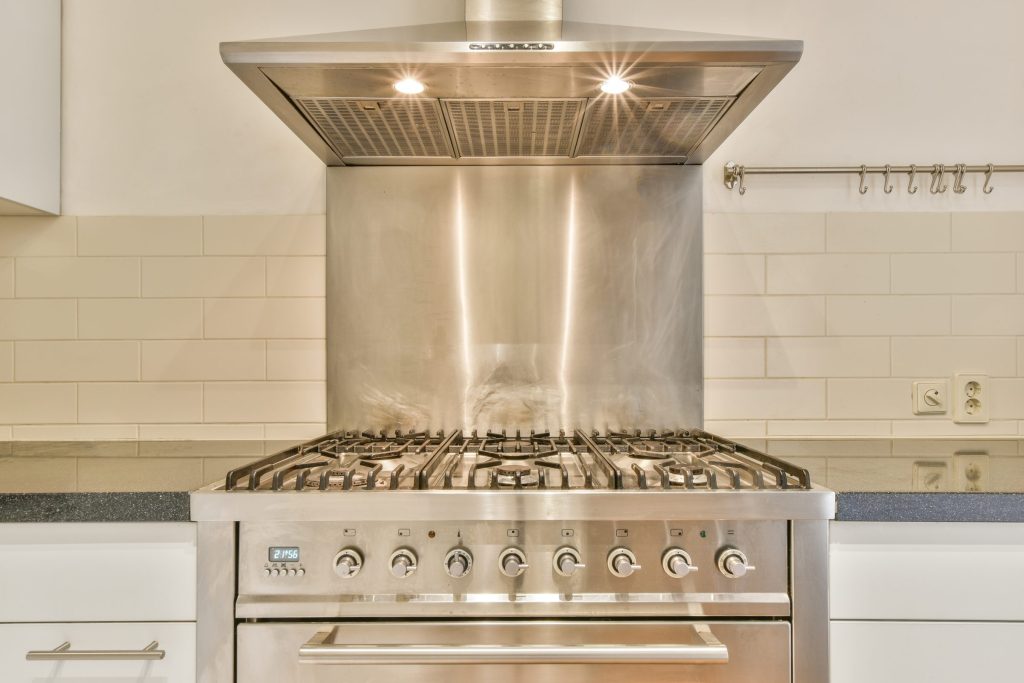
Open burner · Sealed burner · Dual fuel · Electric · Induction · 24" to 66" Ranges
The appliance this brand is named for, and the one place it does something nobody else does: an open burner that comes apart in your hands. Gas, dual fuel, all-electric and induction are all sold under the same badge, and a range that will not light and a range that will not heat are two completely different visits.
- A burner that sparks and never catches
- An oven that will not reach or hold temperature
- A door still locked hours after a self-clean
Questions people ask about this
Can I put the grates in the dishwasher?
Not cast iron ones. Dishwasher detergent strips the finish and they come out dull and prone to surface rust — which in this climate is a fast road to worse. Hot soapy water and a soft brush.
The burner will not light after I cleaned it.
Take the head off and put it back on properly. That is the single most common cause of this and it costs nothing to rule out. It is also the reason the last step above is written the way it is.
What can I use on a blocked port?
A pin or a stiff bristle. Not a drill bit, not a needle file, not anything that will make the port larger — an enlarged port changes the flame permanently and cannot be undone.
Is it safe to take the burner apart myself?
Above the manifold, yes, and the design exists so that you can. Everything below it — valves, gas connections, the manifold itself — is not an owner job.
There is surface rust on my grates.
Common here. Cast iron in a humid, salt-carrying kitchen will do it, particularly if they have been through a dishwasher. Dry them properly after washing, and a light wipe of oil on a cold grate keeps it away.
Maintenance & Prevention
More guides like this one
-

Changing a Viking Water Filter — and What the Indicator Is Actually Counting
Two filters, not one, and neither indicator measures anything — both count time. In this water that matters, and so does the reset.
Read more -
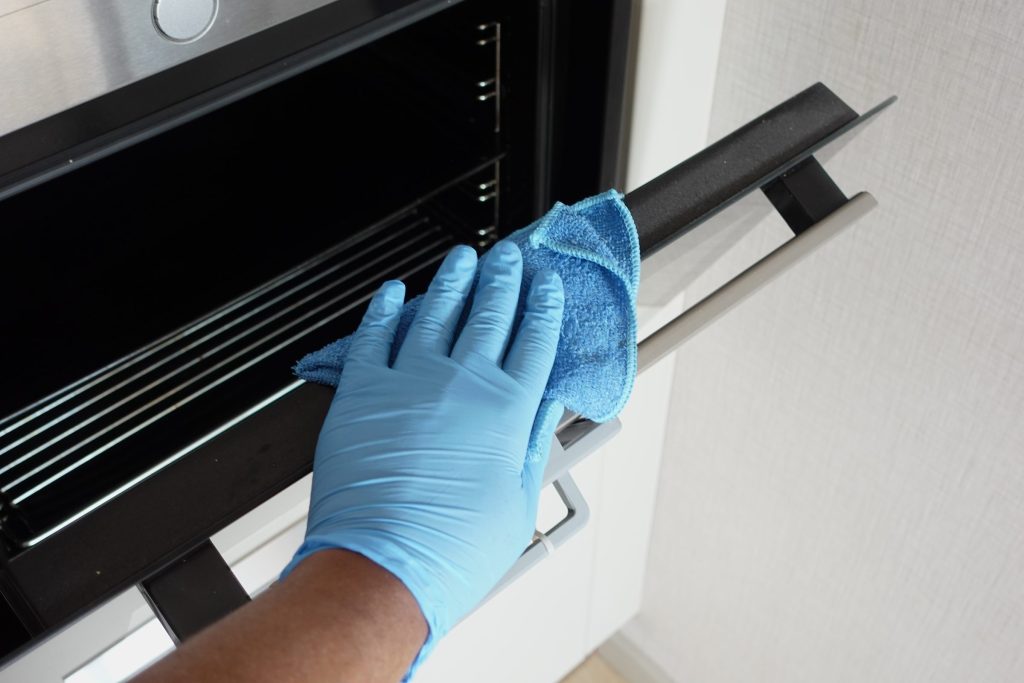
Viking Oven Door Locked After Self-Cleaning: Why It Happens and What Not to Do
How long the cycle should take, what interrupting it does, and the release sequence on the ranges that have one. Plus the one thing that turns a latch repair into a latch and a door.
Read more -
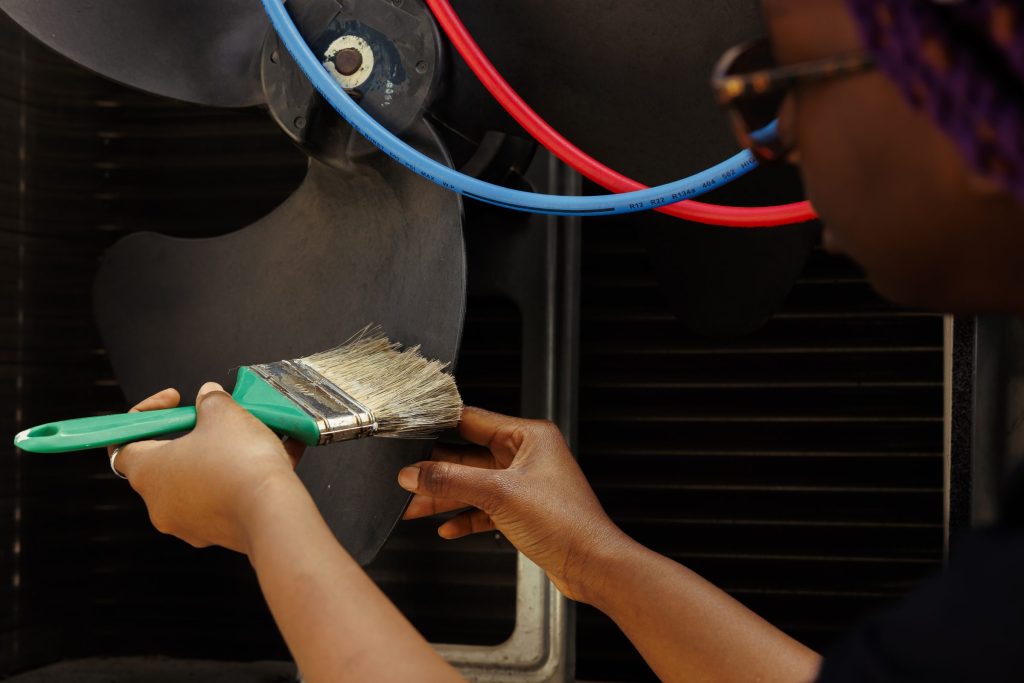
Cleaning Viking Refrigerator Coils: The Quarterly Job That Prevents the Expensive One
The manufacturer asks for it every three months. On this coast that interval is real rather than conservative — and on a full-line kitchen it is five condensers, not one.
Read more
Tell us the model number and what it is doing.
This article is based on:
- Official manufacturer documentation
- Internal repair procedures
- Technician repair history
- Company quality standards
 English